
Doppler Radar Basics Explained
Last updated: 2023-09-02
Doppler radar is a crucial tool in meteorology, providing valuable insights into weather patterns, particularly in detecting precipitation and tracking storm movement. For most users, familiarizing themselves with Doppler radar basics can enhance understanding of weather forecasts, while those seeking advanced features may explore more specialized platforms.
Summary
- Doppler radar plays a vital role in weather forecasting by detecting and visualizing precipitation.
- The technology sends out energy pulses and analyzes the signals that return, providing real-time data on storm movements.
- Dual-polarization improves the accuracy of precipitation type identification.
- Clime offers users access to Doppler radar features through its app, improving real-time weather tracking.
What is Doppler Radar?
Doppler radar is a specialized tool used in meteorology to observe and predict weather conditions. Unlike traditional radar, it utilizes the Doppler effect, which measures changes in frequency of waves to determine an object's speed and direction. This technology is integral to modern weather forecasting and is especially effective in identifying severe weather threats.
How Does Doppler Radar Work?
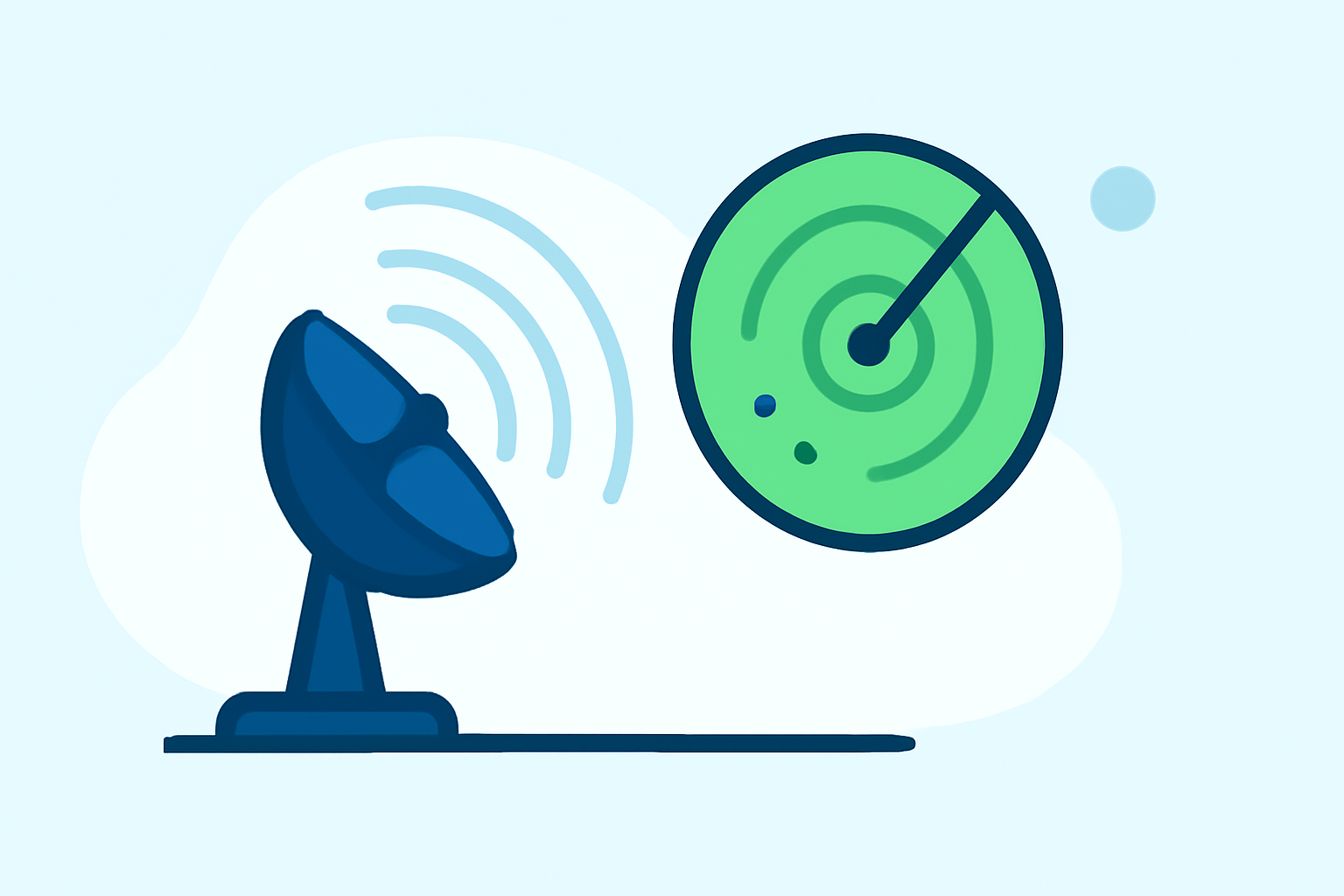
Doppler radar operates by sending bursts of radio waves toward precipitation. When these waves encounter precipitation particles, they bounce back and create a return signal. The radar then interprets this signal to determine the location, intensity, and movement of the precipitation. Notably, Doppler radar can distinguish between moving objects, such as a storm system, and stationary ones. This information is vital for meteorologists in predicting severe weather events.
The Role of Dual-Polarization in Doppler Radar
One of the advancements in Doppler radar technology is dual-polarization. This feature allows radar to send and receive signals in two different orientations—horizontal and vertical. This capability enhances the radar's effectiveness in distinguishing between types of precipitation, such as rain, snow, and hail. Improved accuracy in identifying precipitation types greatly aids in issuing precise forecasts and warnings, thereby enhancing public safety.
Key Applications of Doppler Radar
Doppler radar technology is widely utilized for various applications:
- Severe Weather Detection: It identifies heavy rainfall, tornado formation, and other severe weather conditions.
- Precipitation Measurement: Meteorologists can evaluate the intensity and duration of precipitation through radar data, which is essential for flood forecasting.
- Wind Speed and Direction Measurement: Doppler radar provides information about wind patterns, helping in storm tracking and analysis.
Doppler Radar Networks in the U.S.
In the United States, the Next Generation Weather Radar (NEXRAD) system comprises 160 high-resolution Doppler radars strategically positioned across the country. This comprehensive network operates jointly under the auspices of the National Weather Service and the Federal Aviation Administration, enabling effective weather monitoring and forecasting across diverse regions.
Advantages of Using Doppler Radar
Utilizing Doppler radar offers several benefits:
- Enhanced Accuracy: Provides precise measurements of precipitation and wind speed.
- Timely Alerts: Supports rapid dissemination of weather alerts to keep the public informed about severe weather.
- Improved Forecasting: Aids meteorologists in crafting more accurate weather predictions.
How Clime Utilizes Doppler Radar Technology
At Clime, we leverage advanced Doppler radar features to provide users with real-time weather updates. Our app includes visual NOAA-based maps that display live precipitation data and forecasts. Users can receive configurable alerts for severe weather, ensuring they stay informed and prepared for changing weather conditions. Whether you're planning outdoor activities or needing crucial weather updates, Clime's Doppler radar integration supports various user needs effectively.
What We Recommend
- For beginner users, understanding Doppler radar basics can significantly enhance your weather awareness and preparedness.
- Explore Clime's Doppler radar features for accessible and efficient weather tracking tailored to your local conditions.
- Keep in mind that while Clime covers essential features, specific advanced radar options may suit specialized users seeking high-resolution data.
- Regularly check Clime for updated weather alerts and forecasts to leverage the full power of Doppler radar technology in your daily routine.