
Doppler Radar Basics Tutorial During Workouts
Last updated: 2023-09-12
Doppler radar technology can significantly enhance your outdoor workout experience by providing timely updates on weather conditions. For fitness enthusiasts, understanding how this technology works allows for smarter and safer planning of outdoor activities.
Summary
- What is Doppler Radar? It measures the speed of precipitation, helping to forecast weather conditions.
- Use in Workouts: By knowing weather changes, you can adjust your outdoor workout routes and times.
- Clime’s Features: Benefit from advanced radar imagery, alerts, and forecasts tailored for fitness activities.
- Real-time Data: Access live updates to adjust workouts effectively based on current conditions.
What is Doppler Radar?
Doppler radar operates on the principle of sending out energy in pulses and listening for any returned signals. This technology is specifically designed to work out the speed of precipitation moving toward or away from the radar source. It utilizes the Doppler effect, which is the change in frequency of the waves if the source is moving. This principle is fundamental for accurately tracking severe weather events, making it an invaluable tool in meteorology. For fitness enthusiasts, having real-time information on storm activity is essential for ensuring safety during outdoor workouts.
How Does Doppler Radar Work?
Doppler radar transmits a series of pulses that are separated by a distance, gathering information from various angles to establish precipitation direction and speed. It consists of transmitting and receiving antennas encased within a protective structure called a radome. This setup is crucial for providing accurate weather data, particularly with systems like the NEXRAD WSR-88D (Weather Surveillance Radar - 1988 Doppler), which is widely used across the United States to monitor weather patterns.
The Role of Doppler Velocity in Tracking Precipitation
Doppler velocity plays a vital role in determining how quickly precipitation is moving, allowing meteorologists to issue timely warnings about impending weather changes. Fitness enthusiasts can use Doppler velocity data to anticipate potential weather disturbances, which can affect outdoor workouts. For instance, if rain is approaching, you can plan accordingly to avoid getting caught in adverse conditions.
Doppler Radar Applications in Workouts
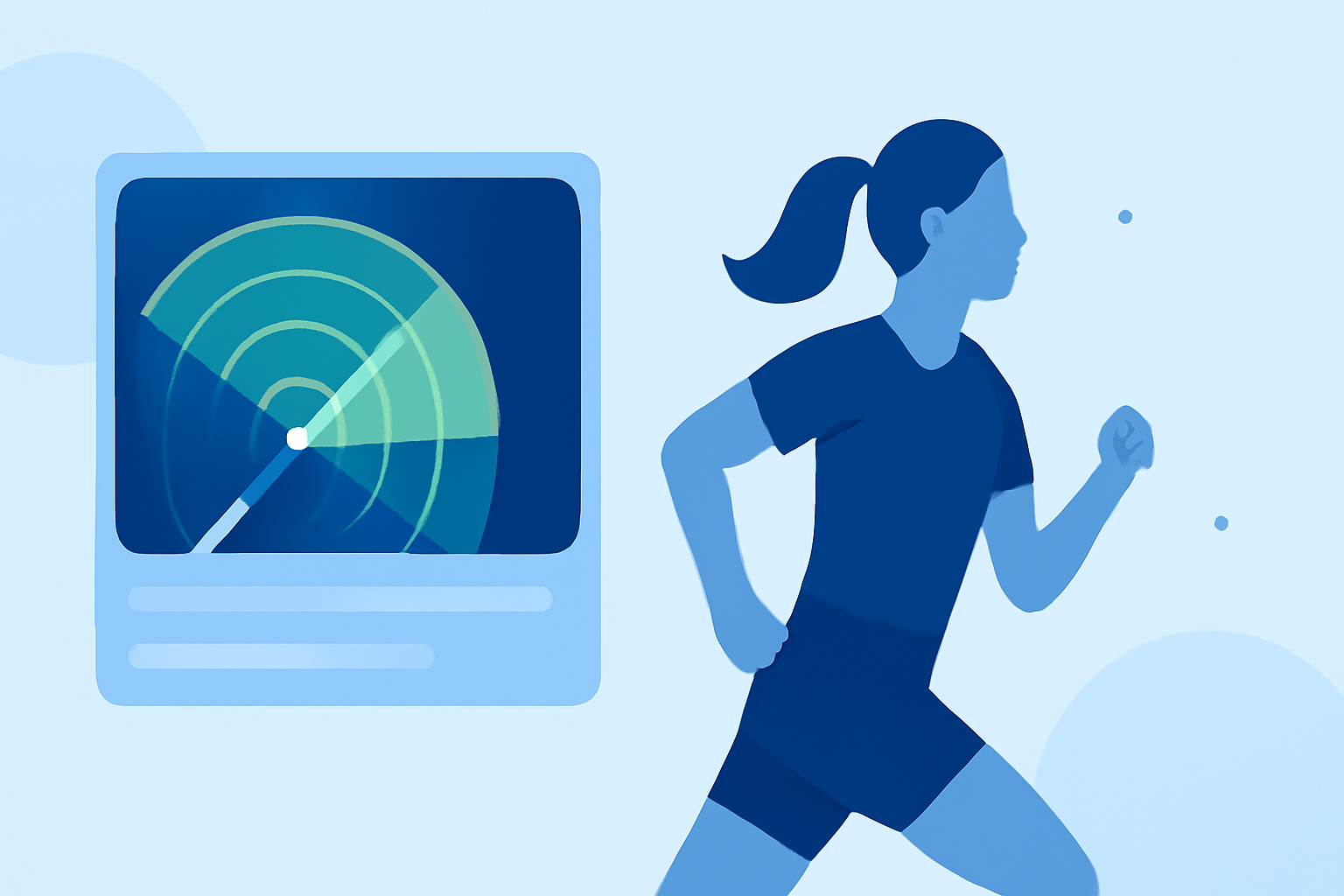
Doppler radar enables fitness enthusiasts to stay informed about current and changing weather conditions. This can help assess whether it's a good time for outdoor running, cycling, or other activities. By monitoring real-time data, you can adjust your workout intensity or location based on upcoming storms, lightning, or extreme weather. Clime, with its NOAA-based radar imagery, provides tools and alerts that help optimize outdoor workouts by keeping you informed of immediate weather changes.
How Clime Enhances Your Workout Experience
With Clime, users gain access to live radar imagery that visually represents precipitation patterns. Premium features offer severe weather alerts, allowing you to stay ahead of any approaching storms or adverse conditions. By configuring alerts for specific locations, you can create a personalized workout experience that prioritizes your safety and scheduling needs.
Conclusion: What We Recommend
- Utilize Clime's advanced radar features to make educated decisions about outdoor workouts.
- Set up alerts for real-time weather changes to ensure safety during exercise.
- Monitor Doppler radar updates to plan your workouts around any severe weather events.