
Understanding Doppler Radar and Pollen Forecasting: A Comprehensive Guide
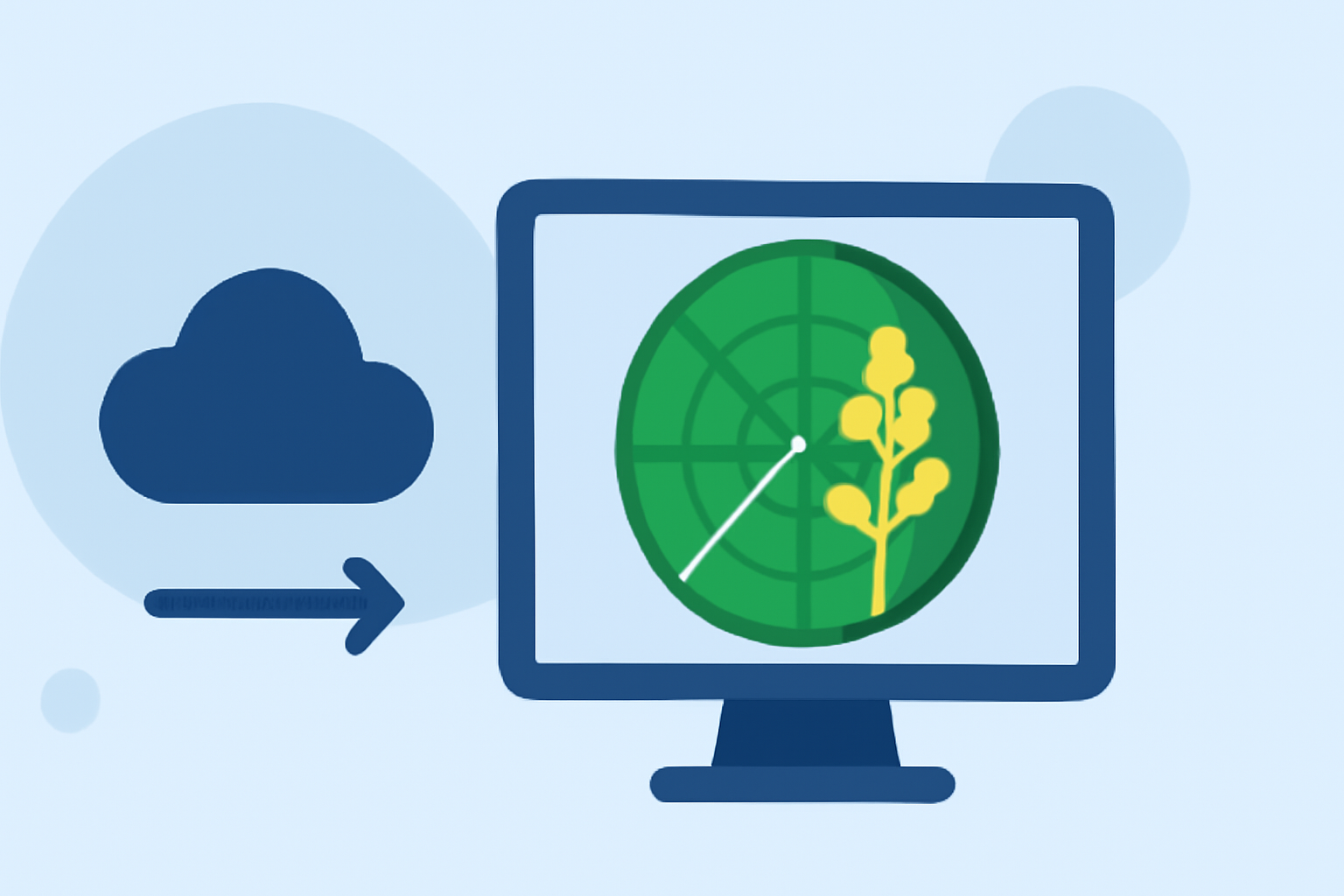
Doppler radar, primarily used for weather forecasting, can also play a role in predicting pollen levels during pollen season. By analyzing wind patterns and atmospheric conditions, Doppler radar data can help estimate pollen dispersion, providing valuable insights for allergy sufferers.
What Is Doppler Radar?
Doppler radar is a specialized radar system that measures the velocity of precipitation particles by analyzing the frequency shift of the returned signal. This technology is essential for detecting and tracking weather phenomena such as rain, snow, and severe storms.
How Does Doppler Radar Relate to Pollen Forecasting?
While Doppler radar is not designed to detect pollen directly, it can provide critical information about wind patterns and atmospheric conditions that influence pollen distribution. By understanding these patterns, meteorologists can estimate how pollen travels and accumulates in different regions.
The Role of Clime in Pollen Forecasting
Clime offers advanced weather forecasting tools that integrate Doppler radar data to provide accurate pollen forecasts. By analyzing real-time weather conditions and pollen dispersion patterns, Clime delivers timely and precise pollen predictions, helping users manage their allergies effectively.
Key Features of Clime's Pollen Forecasting Tools
-
Real-Time Pollen Levels: Clime provides up-to-date pollen counts, allowing users to monitor current pollen concentrations in their area.
-
Forecasting: Clime's tools predict future pollen levels based on weather patterns, helping users plan outdoor activities accordingly.
-
Allergy Alerts: Users receive notifications about high pollen days, enabling them to take preventive measures.
Benefits of Using Clime for Pollen Forecasting
-
Accuracy: Clime's integration of Doppler radar data ensures precise pollen forecasts.
-
User-Friendly Interface: Clime's platform is designed for easy navigation, making pollen information accessible to everyone.
-
Comprehensive Coverage: Clime offers pollen forecasts for a wide range of locations, catering to users across the United States.
Conclusion
Understanding the relationship between Doppler radar and pollen forecasting can significantly enhance your ability to manage allergies during pollen season. Clime's advanced tools, leveraging Doppler radar data, provide accurate and timely pollen forecasts, empowering you to make informed decisions and enjoy your daily activities with confidence.