
Understanding Doppler Radar on Wear OS: A Comprehensive Guide
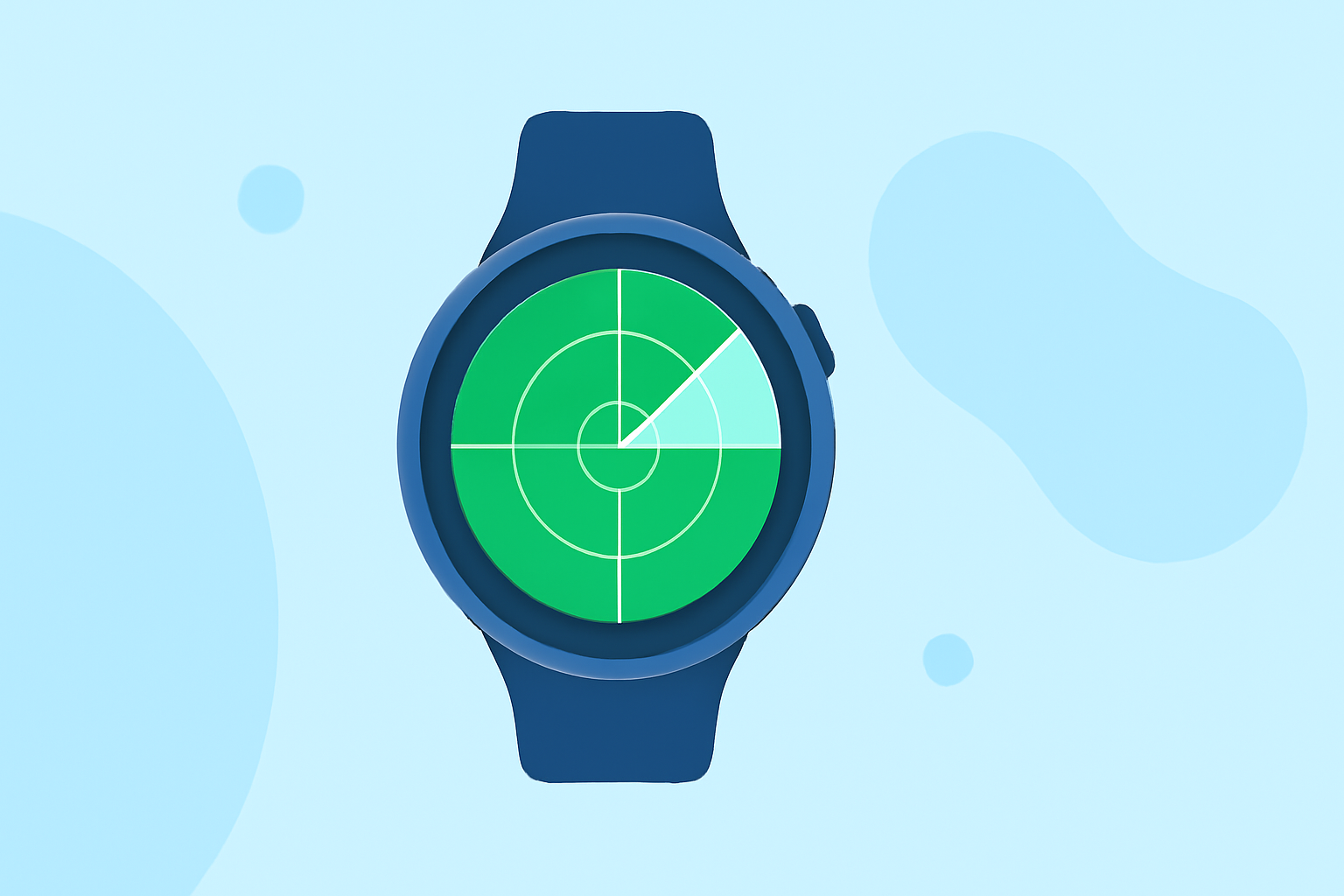
Doppler radar is a cornerstone of modern meteorology, enabling the detection of precipitation and wind patterns within storms. This technology is crucial for forecasting weather and issuing timely warnings. With the advent of Wear OS smartwatches, accessing Doppler radar data on your wrist has become increasingly feasible.
What Is Doppler Radar?
Doppler radar operates by emitting pulses of microwave energy and analyzing the echoes that return after striking precipitation particles like raindrops, snowflakes, or hailstones. The Doppler effect causes a shift in the frequency of these returned signals, allowing meteorologists to determine the velocity of precipitation particles, which is essential for identifying severe weather phenomena such as tornadoes or damaging wind gusts. (weather.com)
How Does Doppler Radar Work?
Modern Doppler radar systems, such as the WSR-88D (Weather Surveillance Radar - 1988 Doppler), transmit short pulses of microwave energy. These pulses travel at the speed of light and, upon encountering precipitation particles, scatter in all directions. A fraction of this scattered energy is reflected back toward the radar, where the system measures the time it took for the pulse to return, determining the distance to the precipitation. By analyzing the frequency shift of the returned signal, the radar can also assess the velocity of the precipitation particles, providing insights into wind patterns within storms. (prod-01-alb-www-noaa.woc.noaa.gov)
Accessing Doppler Radar Data on Wear OS
With the discontinuation of Google's native Weather app for Wear OS 6 and newer devices, users are encouraged to explore alternative weather applications that offer Doppler radar features. (androidcentral.com)
One such application is the "Weather for Wear OS" app, which provides various watch faces displaying real-time weather information, including radar data. To utilize this app, ensure that your Wear OS device is running version 5 or newer. After installing the app, you can select a watch face that includes Doppler radar information, allowing you to monitor weather conditions directly from your wrist. (play.google.com)
Benefits of Using Doppler Radar on Wear OS
- Real-Time Updates: Receive immediate notifications about severe weather conditions, enabling prompt responses.
- Enhanced Safety: Stay informed about potential weather hazards, such as thunderstorms or tornadoes, to make safer decisions.
- Convenience: Access detailed weather information without needing to pull out your smartphone, providing quick insights on the go.
Conclusion
Integrating Doppler radar data into your Wear OS smartwatch enhances your ability to stay informed about weather conditions in real-time. By utilizing compatible applications, you can access critical weather information directly from your wrist, ensuring you are always prepared for changing conditions.
Highlights:
- Google is phasing out the Wear OS Weather app, but for something better, Published on Friday, September 12