
Enhancing Workout Performance with Doppler Radar Technology
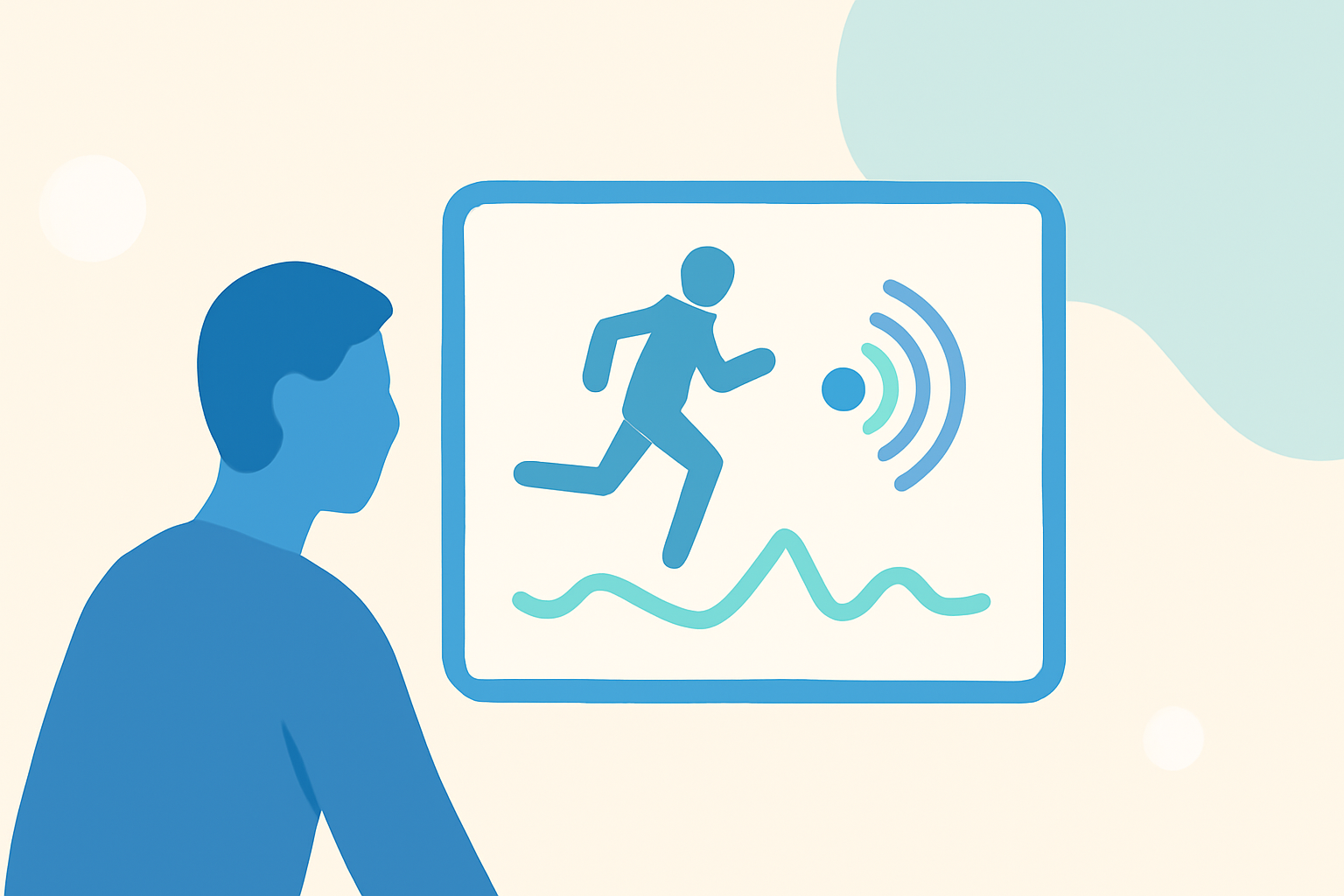
Doppler radar technology, widely recognized for its applications in meteorology and law enforcement, is now making significant strides in the fitness industry. By measuring the frequency shift of radio waves reflected off moving objects, Doppler radar provides precise velocity data, offering valuable insights into athletic performance.
What Is Doppler Radar and How Does It Work?
Doppler radar operates on the Doppler effect principle, where the frequency of a transmitted signal changes upon reflection from a moving object. This frequency shift is directly proportional to the object's velocity, allowing for accurate speed measurements. In sports applications, Doppler radar can track the speed of balls, bats, club heads, and even athletes themselves.
Applications in Sports Training
Incorporating Doppler radar into sports training equipment offers several advantages:
-
Real-Time Feedback: Athletes receive immediate data on their performance, enabling quick adjustments to technique and form.
-
Objective Measurement: Provides consistent and accurate speed measurements, reducing reliance on subjective assessments.
-
Injury Prevention: Monitoring movement speeds can help identify potential overexertion, reducing the risk of injuries.
For instance, integrating Doppler radar into pitching nets, soccer goals, or golf training mats allows athletes to measure the speed of their throws, kicks, or swings directly. This integration transforms standard equipment into smart training tools that offer valuable performance data. (zlyradar.com)
Advantages Over Traditional Methods
Traditional methods of measuring athletic performance often rely on manual timing or video analysis, which can be time-consuming and prone to human error. Doppler radar offers a more efficient and accurate alternative. Unlike camera-based systems, radar is less dependent on lighting conditions and can provide instant feedback, making it suitable for both indoor and outdoor training environments. (zlyradar.com)
Integrating Doppler Radar into Your Workout Routine
To effectively incorporate Doppler radar into your training regimen:
-
Select Appropriate Equipment: Choose training tools that have built-in Doppler radar sensors or can be easily integrated with radar modules.
-
Positioning: Ensure the radar is correctly aligned with the movement path to accurately measure speed.
-
Data Interpretation: Learn how to analyze the data provided by the radar to make informed adjustments to your training.
Conclusion
Doppler radar technology offers a cutting-edge approach to enhancing workout performance. By providing precise, real-time data on movement speeds, it enables athletes to refine their techniques, monitor progress, and reduce the risk of injuries. As this technology becomes more accessible, its integration into training routines is poised to become a standard practice for athletes aiming to achieve optimal performance.