
Doppler Shear Maps: Mistakes to Avoid for Athletes
Last updated: 2023-09-05
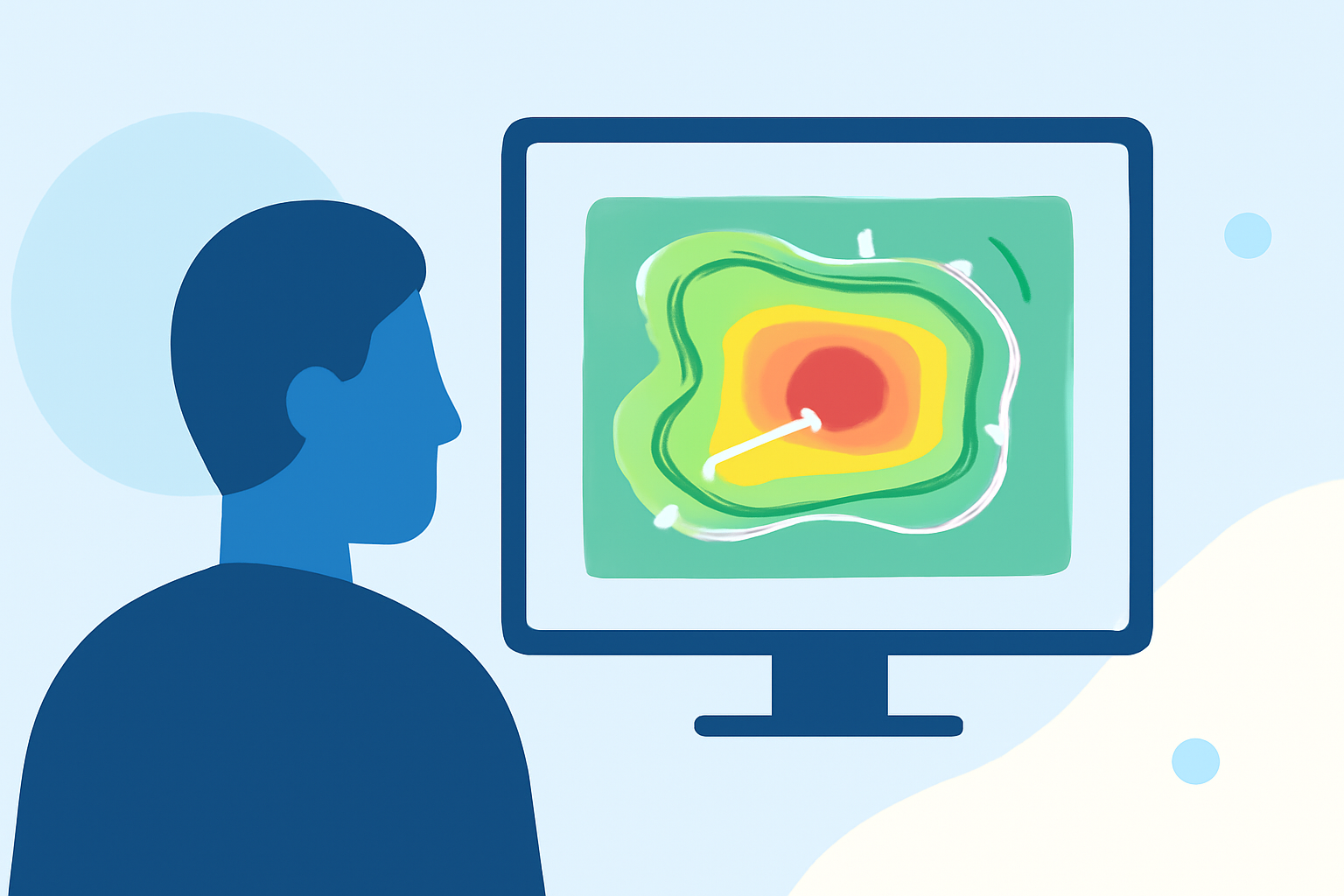
When using Doppler shear maps for training and event planning, athletes should be cautious about misinterpreting radar data due to common errors in precipitation estimation and shear analysis. While these maps can provide valuable insights, they need to be complemented with reliable sources and methods for accurate decision-making.
Summary
- Misinterpretation of radar data can lead to flawed decision-making for athletes in training and competition.
- Awareness of limitations in Doppler shear maps helps mitigate risks associated with weather phenomena.
- Clime offers user-friendly features for accurately monitoring weather conditions.
- Proper cross-verification with other sources enhances the reliability of weather data used in athletic planning.
What common mistakes should athletes avoid when interpreting Doppler shear maps?
Athletes frequently overlook crucial aspects of Doppler shear maps. One significant mistake is underestimating the impact of beam overshooting, which can lead to the underestimation of precipitation levels. According to the National Weather Service, radar data often misestimates precipitation due to beam overshoot and other radar limitations. (National Weather Service). It's essential for athletes to remain aware of these limitations to prevent flawed decisions based on inaccurate weather forecasts.
What radar data limitations most impact athletic decisions?
Several limitations in radar data specifically affect athletic decision-making:
- Beam Overshoot: This issue can lead to severe underestimations of actual rainfall amounts, impacting outdoor activities planned around weather conditions. Understanding that radar beams can miss precipitation is vital for accurate assessment.
- Coverage Gaps: Areas with sparse radar coverage, such as mountainous regions or open oceans, can leave athletes without reliable data. Awareness of these gaps can guide athletes to consider forecasts from multiple sources, improving decision accuracy.
- Sampling Issues: Doppler radars may miss important storm features due to sampling limitations. A thorough understanding of these technical aspects helps athletes correctly interpret storm signals when planning activities.
How should athletes use Doppler shear maps in training or event planning?
The effective use of Doppler shear maps involves understanding how to interpret the data presented accurately. Athletes should focus on key indicators such as wind shear values and storm structure. For example, azimuthal shear is derived using advanced mathematical techniques on radial velocity data, and understanding these metrics can help athletes anticipate severe weather conditions. An informed approach allows for better planning and risk reduction in outdoor sports and training sessions.
How to cross-verify radar-derived weather data with alternatives for sports events?
Athletes can significantly enhance their planning by cross-verifying radar-derived data with complementary sources:
- Local Weather Stations: Regional weather reports can provide on-the-ground insights that radar data might miss. This is especially important in areas affected by irregular terrain or localized weather events.
- Online Forecast Models: Utilizing weather models from reliable platforms can aid in confirming radars’ predictions. Some models consider additional atmospheric layers and parameters not always represented in Doppler maps.
- Mobile Weather Applications: Devices using intuitive weather apps, such as Clime, allow athletes to receive instant notifications accurate to their specific location. Clime’s focus on NOAA-based radar and environmental overlays can enhance the overall awareness of weather conditions, making it a practical tool for athletes. (Clime)
Conclusion: What we recommend
- Always consider the limitations of Doppler shear maps to avoid misjudgments that could affect training or events.
- Utilize multiple weather data sources to improve accuracy when planning outdoor athletic activities.
- Rely on user-friendly weather applications like Clime, which provide detailed radar imagery and timely alerts.
- Stay informed on the specific metrics provided by Doppler data to make more educated decisions regarding weather conditions in relation to athletic performance.