
Optimizing Workout Performance with Doppler Velocity Mapping
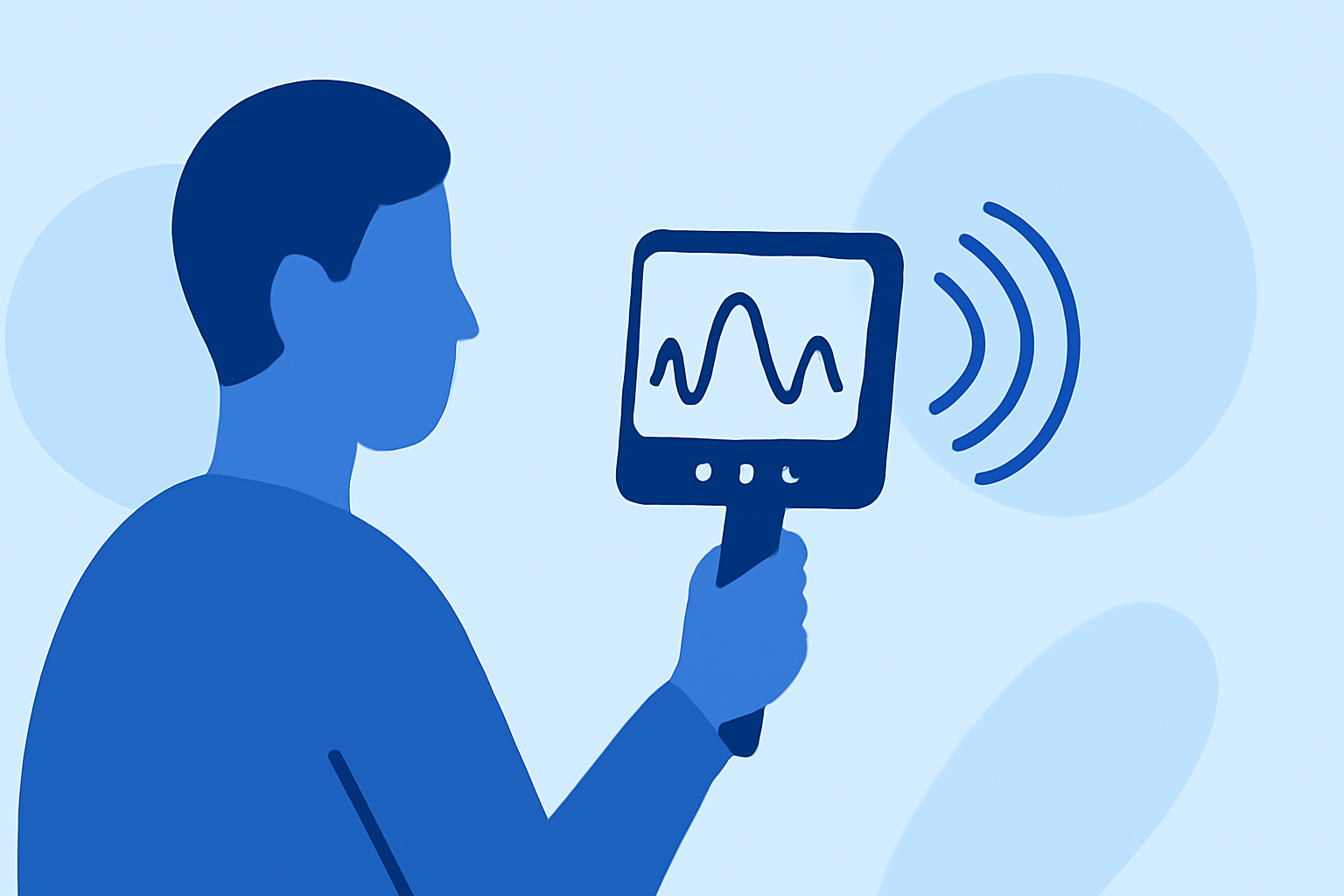
Doppler velocity mapping is a technique that utilizes Doppler ultrasound to measure blood flow velocities, providing valuable insights into cardiovascular health and muscle performance. In the context of workouts, this method can be instrumental in assessing muscle activity, detecting vascular abnormalities, and optimizing training regimens.
Understanding Doppler Velocity Mapping
Doppler velocity mapping involves emitting ultrasound waves into the body and analyzing the frequency shift of the reflected waves caused by moving red blood cells. This shift allows for the calculation of blood flow velocities within vessels. In a workout setting, monitoring these velocities can help identify areas of restricted blood flow, assess muscle oxygenation, and evaluate the effectiveness of exercise routines.
Benefits of Doppler Velocity Mapping During Workouts
-
Assessing Muscle Oxygenation: By measuring blood flow velocities, Doppler mapping can indicate how well muscles are receiving oxygen during exercise, helping to tailor workouts for optimal performance.
-
Detecting Vascular Abnormalities: Identifying irregular blood flow patterns can reveal potential vascular issues, allowing for early intervention and adjustment of exercise plans to prevent injury.
-
Optimizing Training Regimens: Continuous monitoring of blood flow velocities enables the adjustment of exercise intensity and duration to maximize benefits and minimize risks.
Implementing Doppler Velocity Mapping in Your Workout Routine
To effectively incorporate Doppler velocity mapping into your training, consider the following steps:
-
Consult with Healthcare Professionals: Before starting, consult with healthcare providers to ensure Doppler velocity mapping is appropriate for your health status.
-
Choose the Right Equipment: Select a Doppler ultrasound device suitable for vascular assessments. Ensure it offers features like adjustable Doppler angles and velocity scales to accommodate different vessels and flow velocities.
-
Learn Proper Technique: Proper placement of the ultrasound probe and correct angle settings are crucial for accurate measurements. The Doppler angle should be between 45° and 60° relative to the blood flow direction to minimize errors. (pmc.ncbi.nlm.nih.gov)
-
Integrate with Training: Use Doppler velocity mapping to monitor blood flow during workouts, adjusting exercise parameters based on real-time data to enhance performance and safety.
Clime's Role in Enhancing Workout Performance
Clime offers advanced features that support the integration of Doppler velocity mapping into your fitness routine:
-
Real-Time Data Analysis: Clime's platform processes Doppler velocity data in real-time, providing immediate feedback on muscle oxygenation and blood flow.
-
Customizable Training Plans: Based on Doppler velocity insights, Clime helps create personalized workout plans that align with individual fitness goals and vascular health.
-
Progress Tracking: Clime monitors changes in blood flow velocities over time, allowing users to track improvements and adjust training strategies accordingly.
Conclusion
Incorporating Doppler velocity mapping into your workout routine offers a sophisticated approach to monitoring cardiovascular and muscular performance. By leveraging Clime's advanced features, you can optimize your training regimen, enhance muscle oxygenation, and detect potential vascular issues early, leading to more effective and safer workouts.
Highlights:
- mmFit: Low-Effort Personalized Fitness Monitoring, Published on Thursday, June 12