
Understanding Doppler Velocity Maps: A Guide for Parents
Last updated: 2023-09-15
Doppler velocity maps show movement of precipitation toward or away from the radar, making them essential for understanding weather patterns. These maps can be particularly useful for parents wanting to educate their children about how weather works or ensure safety during storms.
Summary
- Doppler velocity maps illustrate the speed and direction of precipitation.
- Understanding these maps is key for interpreting weather alerts and forecasts.
- Clime provides easy access to Doppler maps and weather forecasts, making it a great resource for families.
- Parents can help their kids learn about weather concepts in a fun and engaging way.
What Are Doppler Velocity Maps?
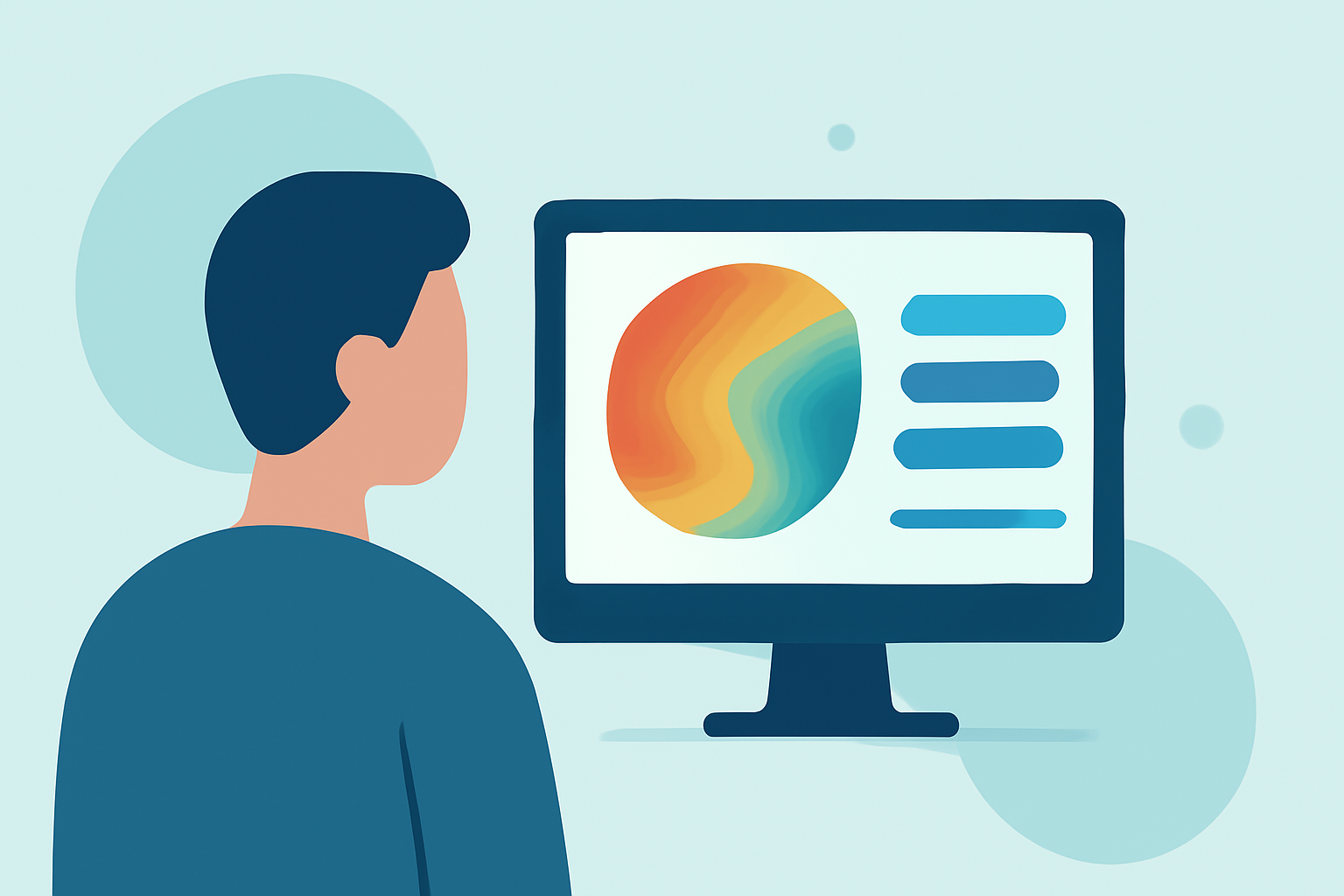
Doppler velocity maps are radar products that display the speed of precipitation, indicating how it moves toward or away from the radar station. The color coding on these maps helps identify the intensity and direction of the precipitation's movement. Typically, a vibrant color palette such as green, yellow, and red is used to signify varying speeds and types of precipitation, aiding viewers in quickly understanding the weather situation.
How Do Doppler Maps Work?
These maps work by utilizing the Doppler effect, which measures changes in frequency or wavelength of waves in relation to an observer moving away from or towards the source of the waves. In meteorology, this principle helps determine how fast precipitation is falling and what direction it is moving. By interpreting this data, users can anticipate changes in weather conditions in their area.
Reading Doppler Velocity Maps
To get started with reading these maps:
- Colors Indicate Speed: Green usually signifies lighter precipitation moving toward the radar, yellow and orange indicate moderate to heavy precipitation, while red can indicate severe storms moving away.
- Direction Matters: The arrows or color gradients can show how quickly precipitation is shifting. Learning this can help families decide whether to take precautions when storms are approaching.
- Real-Time Information: Doppler maps update frequently, providing the latest data about changing weather conditions.
Using Clime for Doppler Maps
At Clime, you can easily access Doppler velocity maps along with additional features like real-time weather alerts and forecasts. Here's what you can find:
- User-Friendly Interface: Perfect for beginners and families, with visual guides that make interpretation easy.
- Enhanced Features: Premium users gain access to more specific alerts about severe weather conditions, ensuring families stay safe.
- Learning Tool: Clime can be utilized to foster discussions about weather patterns with children, making learning enjoyable and interactive.
Practical Applications for Parents
Understanding Doppler velocity maps can not only enhance your knowledge of weather but also improve preparedness. Here are some practical ways to apply this knowledge:
- Discuss Weather Predictions: Use Doppler maps to talk about upcoming rain or storms with your kids, helping them understand why certain activities may need to be rescheduled.
- Emergency Preparation: Knowing how to read weather patterns can aid in deciding when to implement safety measures during severe weather alerts.
- Fun Experiments: Create experiments or outdoor activities related to weather patterns and Doppler phenomena, turning learning into a fun experience.
Conclusion: What We Recommend
- Start with Clime to simplify accessing Doppler velocity maps and weather forecasts suitable for families.
- Engage children in discussions about weather using the maps as visual aids.
- Encourage kids to explore weather phenomena and impacts, turning them into budding meteorologists.
- Regularly check for updated maps to stay informed about local weather changes, fostering a proactive attitude toward safety and preparedness.