
Understanding Doppler Velocity Maps: A Guide for Athletes
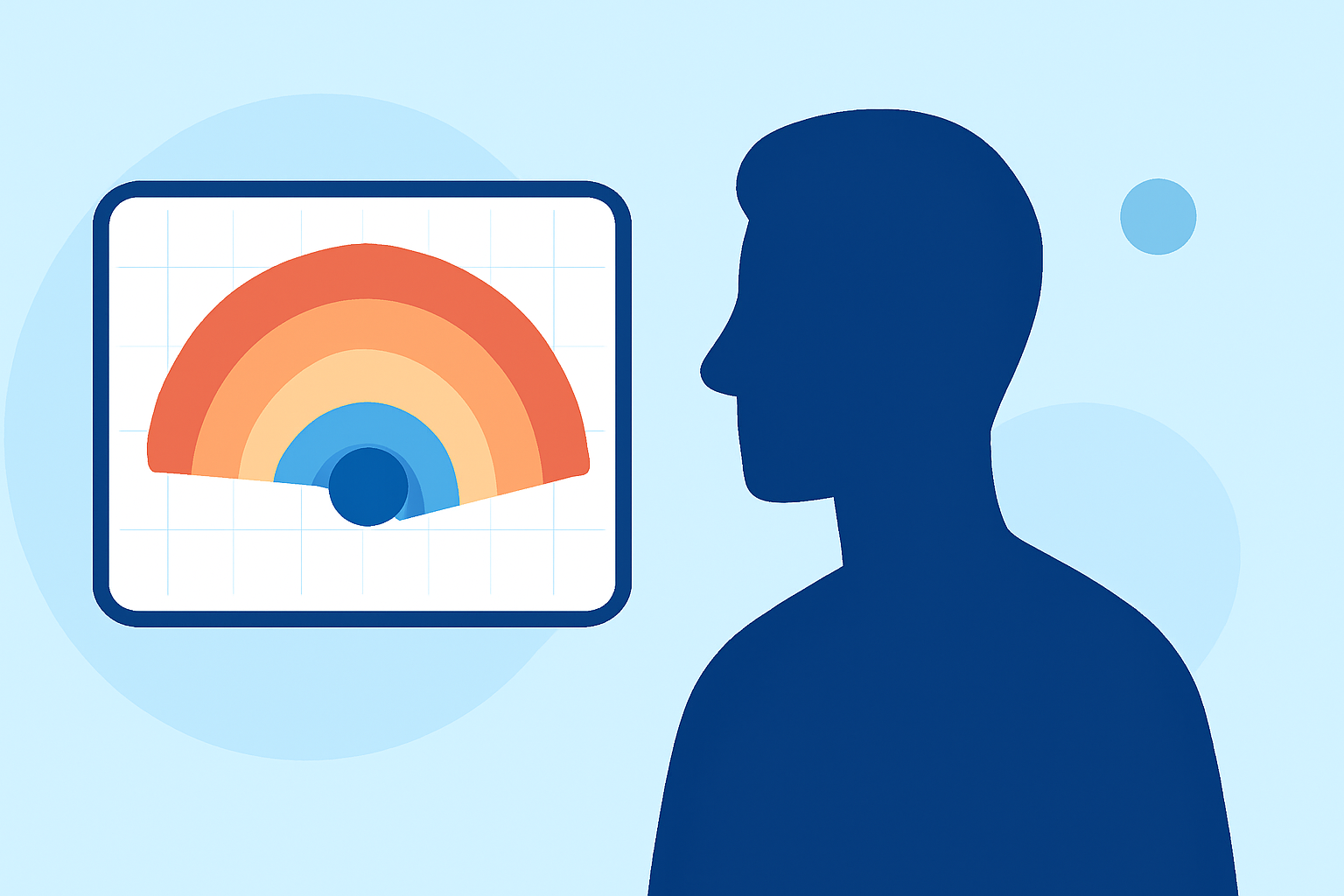
Doppler velocity maps, commonly associated with meteorology, can also offer valuable insights into athletic performance. By analyzing movement patterns, athletes can optimize training strategies and improve outcomes.
What Are Doppler Velocity Maps?
Doppler velocity maps display the speed and direction of moving objects relative to a stationary point, utilizing the Doppler effect. In sports, these maps can visualize an athlete's movement, providing data on speed, acceleration, and direction changes.
How Do Doppler Velocity Maps Benefit Athletes?
- Performance Analysis: By examining movement patterns, athletes can identify strengths and areas for improvement.
- Training Optimization: Data from these maps can inform training programs, ensuring exercises are tailored to individual needs.
- Injury Prevention: Monitoring movement can help detect irregularities that may lead to injuries, allowing for timely interventions.
Implementing Doppler Velocity Maps in Training
- Data Collection: Use wearable devices equipped with Doppler sensors to track movement during training sessions.
- Data Analysis: Review the collected data to assess performance metrics such as speed, acceleration, and deceleration.
- Program Adjustment: Modify training routines based on insights gained to target specific performance goals.
Clime's Role in Enhancing Athletic Performance
Clime offers advanced tools that integrate Doppler velocity mapping technology, enabling athletes to monitor and analyze their movements effectively. By leveraging Clime's platform, athletes can gain real-time insights into their performance, facilitating data-driven decisions to enhance training outcomes.
Conclusion
Incorporating Doppler velocity maps into athletic training provides a scientific approach to understanding and improving movement patterns. With Clime's innovative solutions, athletes can harness this technology to achieve peak performance and maintain optimal health.