
Understanding Doppler Velocity Maps During Hurricane Season
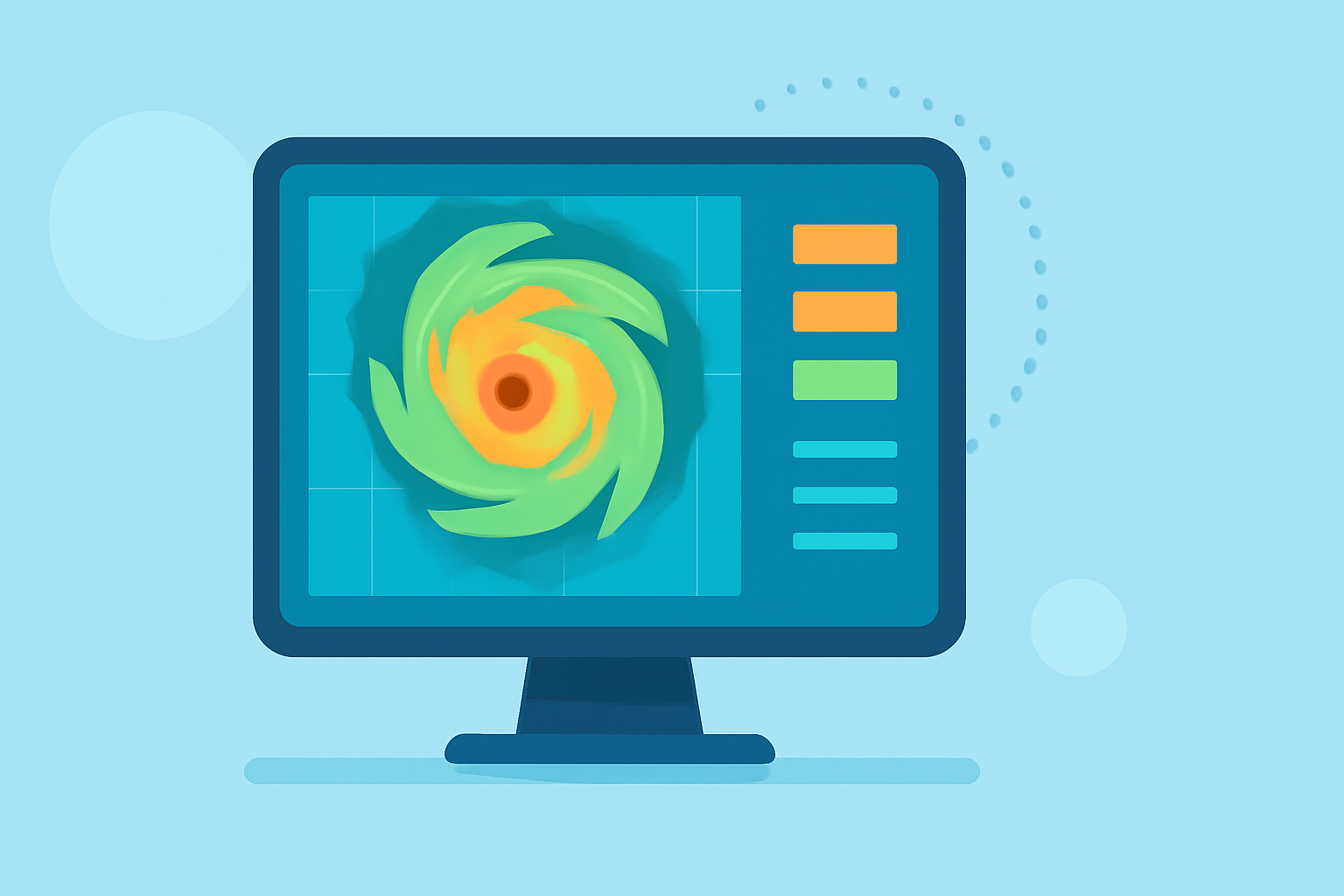
Doppler velocity maps are essential tools in meteorology, especially during hurricane season. They provide critical insights into wind patterns, aiding in the analysis and forecasting of storm behavior.
What Are Doppler Velocity Maps?
Doppler velocity maps display the speed and direction of wind particles within a storm. By measuring the frequency shift of radar waves reflected off moving particles, these maps reveal wind velocities toward or away from the radar. This information is crucial for understanding storm dynamics, including rotation and intensity. (psl.noaa.gov)
Why Are They Important During Hurricane Season?
During hurricanes, Doppler velocity maps help meteorologists:
-
Assess Storm Structure: Identify areas of rotation, such as mesocyclones, which can indicate potential tornado formation.
-
Determine Wind Speeds: Estimate maximum sustained winds, aiding in categorizing the hurricane's strength.
-
Monitor Storm Movement: Track the storm's direction and speed, essential for issuing timely warnings.
Common Questions About Doppler Velocity Maps
- How Do Doppler Velocity Maps Differ from Reflectivity Maps?
While reflectivity maps show the intensity of precipitation, Doppler velocity maps focus on wind motion. Together, they provide a comprehensive view of storm behavior.
- What Challenges Are Associated with Interpreting These Maps?
Accurate interpretation requires understanding the radar's orientation, storm movement, and potential aliasing effects. Misinterpretations can lead to incorrect assessments of storm intensity and movement. (nssl.noaa.gov)
- How Do Meteorologists Account for Storm Movement in These Maps?
By analyzing the storm-relative velocity patterns, meteorologists can distinguish between wind caused by the storm's rotation and ambient environmental winds.
Enhancing Analysis with Clime's Advanced Tools
Clime offers sophisticated tools that integrate Doppler velocity data with other meteorological information, providing a holistic view of storm dynamics. These tools assist in:
-
Real-Time Monitoring: Access up-to-date Doppler velocity maps for current storm analysis.
-
Historical Data Analysis: Review past hurricane data to identify patterns and improve forecasting accuracy.
-
Predictive Modeling: Utilize integrated data to forecast storm behavior and potential impacts.
Conclusion
Doppler velocity maps are indispensable in hurricane analysis, offering insights into wind patterns and storm behavior. By leveraging Clime's advanced tools, meteorologists can enhance their understanding and forecasting capabilities, leading to more accurate and timely warnings during hurricane season.
Highlights:
- Real-Time Doppler Radar - NOAA/AOML, Published on Sunday, May 21
- KINEMATIC VELOCITY STRUCTURE OF HURRICANE GILBERT (1988)