
Understanding Doppler Velocity Maps: A Guide for Pet Owners
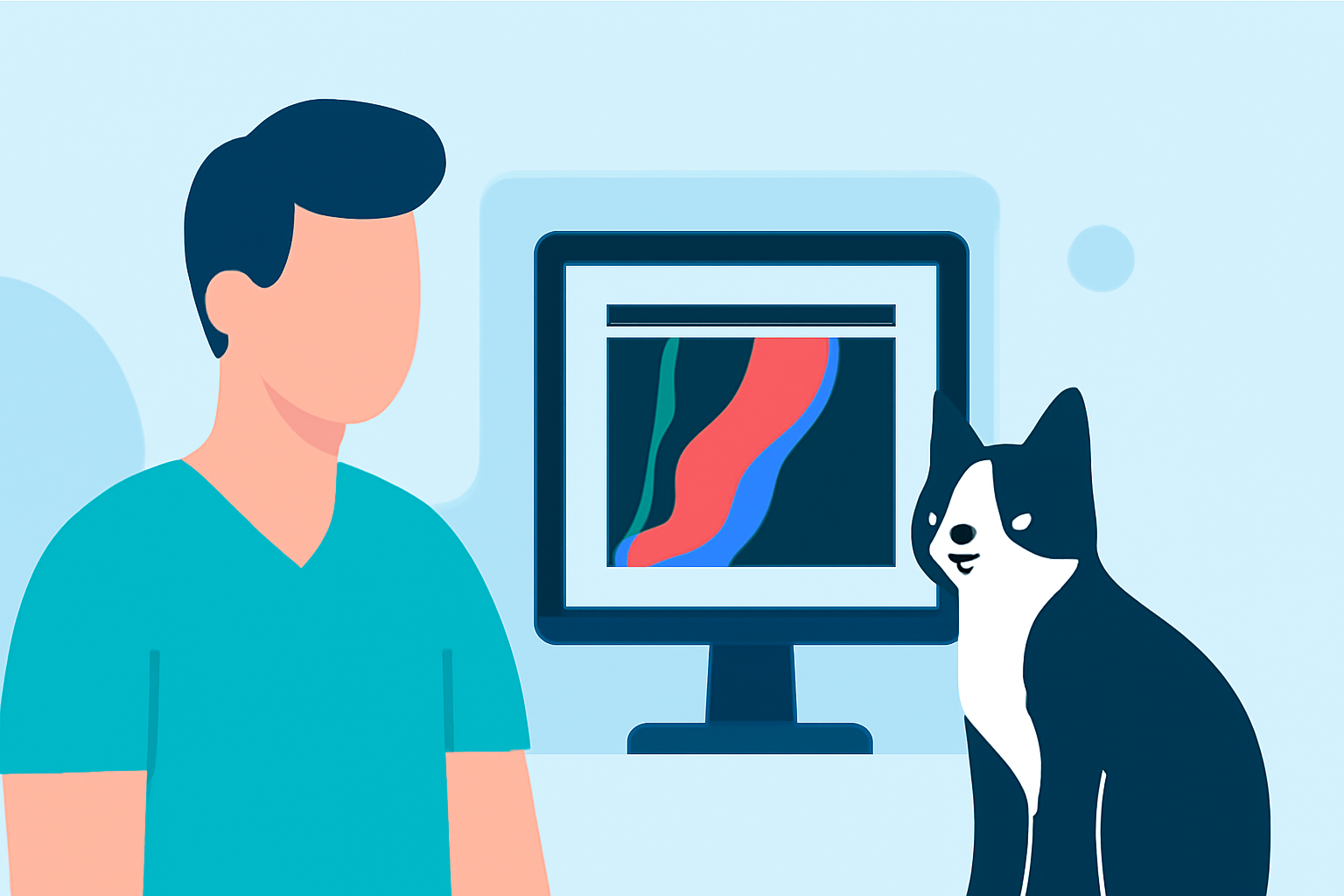
Doppler velocity maps are specialized imaging techniques that measure the speed and direction of blood flow within your pet's body. By analyzing these maps, veterinarians can detect abnormalities such as blockages, heart conditions, or vascular issues. This non-invasive method provides valuable insights into your pet's circulatory health.
How Do Doppler Velocity Maps Work?
Doppler ultrasonography utilizes the Doppler effect, where the frequency of ultrasound waves changes as they reflect off moving red blood cells. This change in frequency allows the ultrasound machine to calculate the velocity and direction of blood flow. In veterinary medicine, Doppler ultrasonography is commonly applied to assess blood flow in various organs, including the heart and abdominal vessels. (imv-imaging.com)
Applications in Veterinary Medicine
Doppler velocity maps are instrumental in diagnosing and monitoring several conditions in pets:
-
Cardiac Assessments: Evaluating heart function and detecting issues like valve problems or congenital defects.
-
Vascular Evaluations: Identifying blockages or narrowing in blood vessels that could lead to tissue damage.
-
Abdominal Examinations: Assessing blood flow to abdominal organs to detect conditions such as portosystemic shunts. (imv-imaging.com)
Benefits for Pet Owners
Understanding Doppler velocity maps can empower you to make informed decisions about your pet's health:
-
Early Detection: Identifying potential health issues before they become severe.
-
Non-Invasive Monitoring: Regular assessments without the need for surgical procedures.
-
Tailored Treatment Plans: Developing effective strategies based on precise blood flow data.
Clime's Role in Pet Health Monitoring
Clime offers advanced tools that assist in monitoring your pet's health, including features that support the analysis of Doppler velocity maps. By integrating Clime's technology, you can gain deeper insights into your pet's circulatory system, leading to better health outcomes.
Conclusion
Doppler velocity maps are a valuable resource in veterinary diagnostics, providing critical information about your pet's circulatory health. By leveraging Clime's advanced tools, you can enhance your pet's well-being through informed, proactive care.