
Understanding Doppler Velocity Maps for Travel Planning
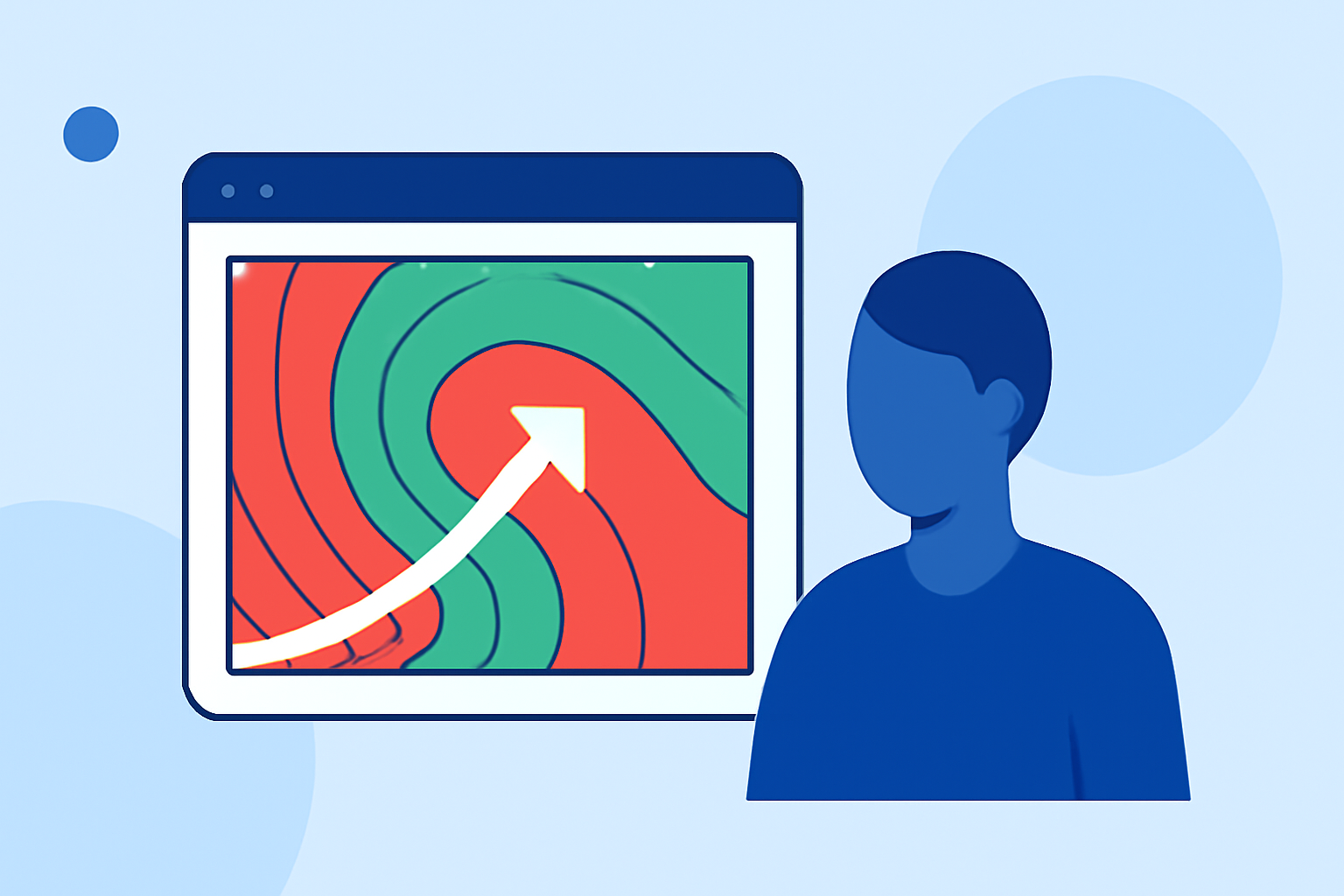
Doppler velocity maps are essential tools for travelers seeking to understand weather patterns and make informed decisions. These maps display the speed and direction of precipitation particles, providing insights into storm movements and intensities.
What Are Doppler Velocity Maps?
Doppler velocity maps utilize Doppler radar technology to measure the motion of precipitation particles toward or away from the radar. This data is represented in color-coded maps, where colors indicate the speed and direction of the particles' movement. For instance, red and orange hues may signify particles moving away from the radar, while blue and green indicate movement toward the radar. (psl.noaa.gov)
How Do Doppler Velocity Maps Aid in Travel Planning?
For travelers, these maps offer real-time insights into weather conditions, enabling better planning and safety measures. By analyzing Doppler velocity maps, you can:
-
Monitor Storm Movements: Track the direction and speed of storms to anticipate their impact on your travel route.
-
Assess Precipitation Intensity: Determine the severity of weather events, such as heavy rain or hail, to decide on necessary precautions.
-
Make Informed Decisions: Decide whether to adjust your travel schedule or seek shelter based on current weather patterns.
Interpreting Doppler Velocity Maps
Understanding how to read these maps is crucial for effective use:
-
Identify Color Codes: Familiarize yourself with the color scheme representing different velocities.
-
Analyze Storm Rotation: Look for tight velocity couplets (areas of contrasting colors) that may indicate rotation, a potential sign of severe weather.
-
Consider Radar Location: Remember that the radar's position affects the interpretation of velocity data; the radar is at a fixed location, so it measures how fast a target is moving toward or away from it. (prod-01-alb-www-noaa.woc.noaa.gov)
Utilizing Doppler Velocity Maps with Clime
Clime offers a user-friendly interface to access and interpret Doppler velocity maps, providing:
-
Real-Time Data: Access up-to-date radar images for your specific location.
-
Interactive Features: Zoom and pan capabilities to focus on areas of interest.
-
Comprehensive Information: Combine Doppler velocity data with other weather information for a complete overview.
Conclusion
Incorporating Doppler velocity maps into your travel planning enhances your ability to anticipate and respond to weather conditions effectively. By understanding and utilizing these maps, you can make informed decisions, ensuring a safer and more enjoyable journey.
Highlights:
- Interpreting Animated Doppler Radar Maps for Short-Term Plans - Ask.com, Published on Tuesday, March 17
- Interpreting Local Weather Radar Maps in Motion for Planning - Simpli.com, Published on Thursday, March 19
- How to Monitor Storm Paths Using Radar (and When to Trust Apps Like Clime) | Clime Blog, Published on Monday, March 09