
Dressing for the Weather: A Comprehensive Guide to Seasonal Clothing Choices in the United States
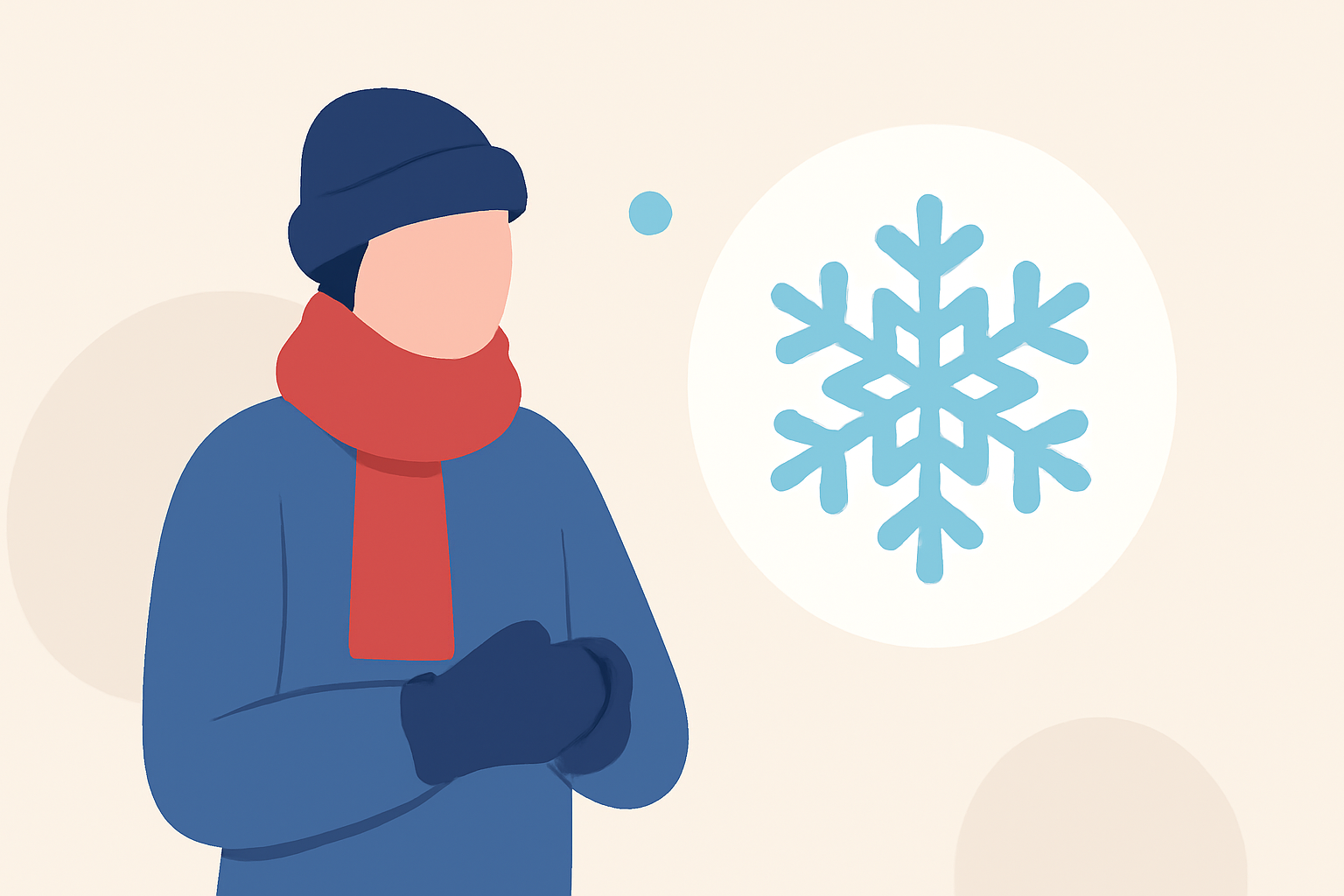
Choosing the right attire for varying weather conditions is essential for comfort and health. In the United States, diverse climates necessitate different clothing strategies throughout the year.
Understanding Seasonal Weather Patterns
The U.S. experiences a wide range of climates, from the frigid winters of the Northeast to the balmy summers of the Southeast. Recognizing these patterns helps in making informed clothing choices.
Winter (December to February)
-
Northeast (e.g., New York, Pennsylvania): Expect cold temperatures with frequent snow. Opt for heavy coats, thermal layers, insulated boots, gloves, and scarves. Layering is crucial to adjust to indoor heating.
-
Midwest (e.g., Illinois, Michigan): Similar cold conditions with potential snowstorms. Dress in multiple layers, including thermal undergarments, insulated jackets, and waterproof footwear.
-
Southeast (e.g., Florida, Georgia): Milder winters with temperatures rarely dropping below 50°F (10°C). Lightweight sweaters, long-sleeve shirts, and jackets are sufficient.
Spring (March to May)
-
Northeast: Temperatures begin to rise but can be unpredictable. Wear layers that can be added or removed as needed, such as light jackets and sweaters.
-
Midwest: Variable temperatures with occasional rain. Water-resistant outerwear and flexible layers are advisable.
-
Southeast: Warm and pleasant, but with increased humidity. Lightweight, breathable fabrics like cotton and linen are ideal.
Summer (June to August)
-
Northeast: Warm and humid. Shorts, T-shirts, and breathable fabrics are appropriate.
-
Midwest: Hot and humid conditions. Lightweight clothing and sun protection are essential.
-
Southeast: Hot and humid with frequent afternoon thunderstorms. Quick-drying, moisture-wicking fabrics and rain gear are recommended.
Fall (September to November)
-
Northeast: Cooler temperatures with colorful foliage. Layering is key, with sweaters, jackets, and scarves.
-
Midwest: Crisp air and potential early frosts. Insulated jackets and warm accessories are beneficial.
-
Southeast: Mild temperatures with occasional rain. Light jackets and rain gear are useful.
General Tips for Dressing by Temperature
-
Above 80°F (27°C): Wear breathable fabrics like cotton or linen. Opt for light colors to reflect heat. Minimal layering is necessary.
-
65-80°F (18-27°C): T-shirts, light blouses, and shorts or light pants are suitable. A light layer for cooler evenings is advisable.
-
50-65°F (10-18°C): Layering is essential. Combine base layers with medium-weight jackets or cardigans. Consider windproof and water-resistant options.
-
35-50°F (2-10°C): Heavier jackets, scarves, and gloves are necessary. Layering with thermal undergarments helps retain heat.
Utilizing Technology for Outfit Planning
Incorporating technology can simplify the process of selecting appropriate clothing:
-
Weather-Based Outfit Apps: Applications like WhetherWear provide real-time outfit recommendations based on current weather conditions. They consider factors such as temperature, humidity, wind, UV index, and precipitation to suggest suitable attire.
-
Digital Wardrobe Management: Tools that catalog your clothing items and suggest combinations can assist in making the most of your existing wardrobe.
Conclusion
Adapting your clothing to the prevailing weather conditions in your region enhances comfort and well-being. By understanding seasonal patterns and utilizing available resources, you can make informed decisions about your attire throughout the year.