
Driving Safely in Mixed Precipitation: Essential Tips for Car Travel
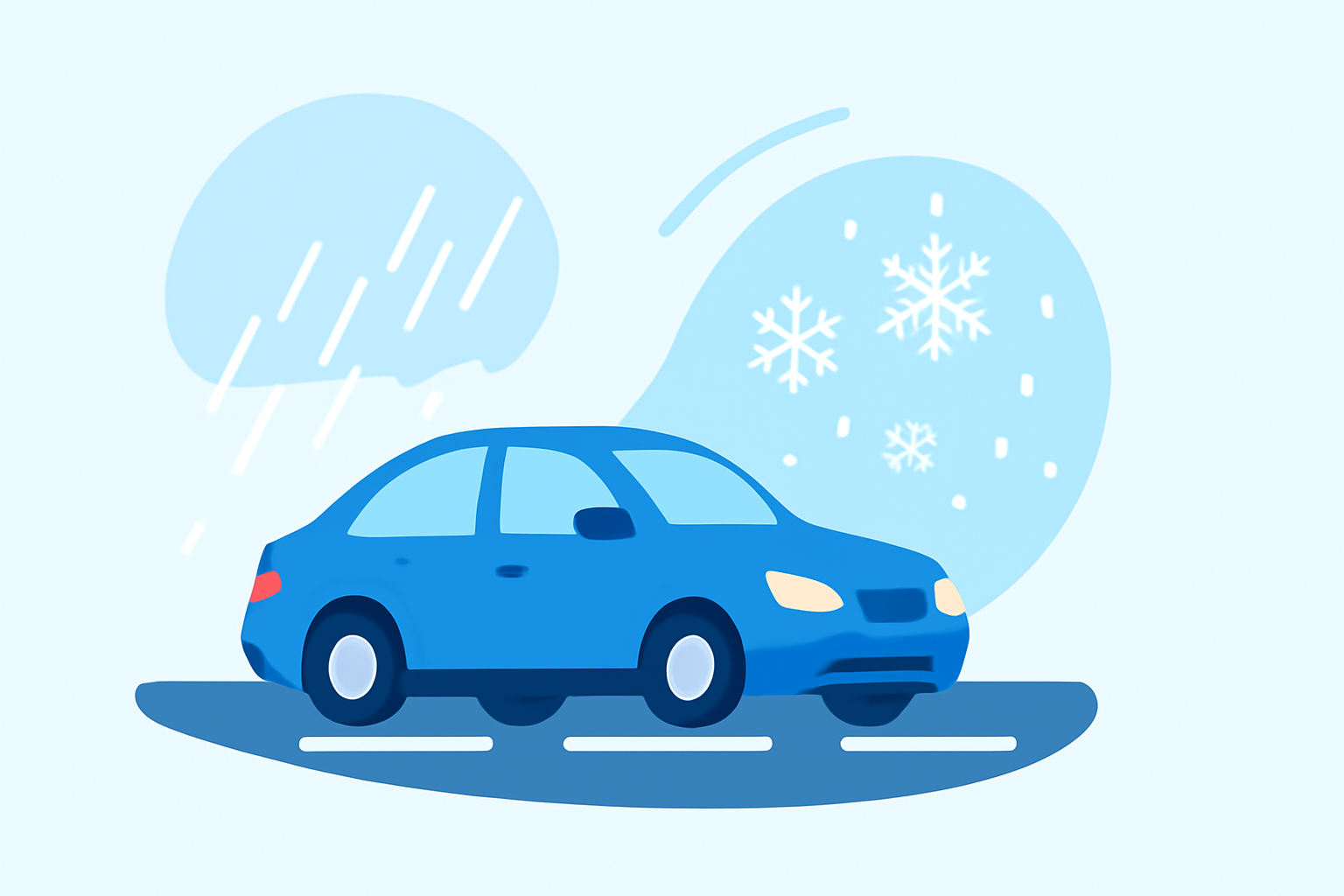
Driving in mixed precipitation—such as rain, snow, sleet, or freezing rain—presents unique challenges that require heightened awareness and preparation. Understanding these conditions and adopting safe driving practices can significantly reduce the risks associated with such weather.
What Is Mixed Precipitation?
Mixed precipitation occurs when different forms of precipitation, like rain, snow, sleet, or freezing rain, fall simultaneously or in quick succession. This combination can lead to rapidly changing road conditions, including wet, icy, or slushy surfaces, which can be hazardous for drivers.
How Does Mixed Precipitation Affect Driving Conditions?
Mixed precipitation can lead to:
-
Reduced Traction: Wet or icy roads decrease tire grip, increasing the likelihood of skidding or losing control.
-
Decreased Visibility: Rain, snow, or sleet can obscure your view of the road, making it harder to see other vehicles, traffic signals, and road signs.
-
Increased Stopping Distances: Wet or icy roads require longer distances to stop safely, reducing your reaction time.
What Are the Key Safety Tips for Driving in Mixed Precipitation?
-
Slow Down: Reduce your speed to match road conditions. Wet or icy surfaces require more time to stop and can cause your vehicle to lose traction more easily. (nhtsa.gov)
-
Increase Following Distance: Maintain a greater distance between your vehicle and the one ahead to allow more time to react to sudden stops or changes in traffic. (edmunds.com)
-
Use Your Headlights: Turning on your headlights improves your visibility to other drivers and helps you see the road better. (amica.com)
-
Check Your Tires: Ensure your tires have adequate tread depth and are properly inflated to maintain optimal traction. (amica.com)
-
Replace Wiper Blades Regularly: Worn wiper blades can reduce visibility during precipitation. Replace them if they leave streaks or don't clear the windshield effectively. (pemco.com)
-
Avoid Cruise Control: In slippery conditions, using cruise control can be dangerous as it may reduce your ability to react quickly to changes in road traction. (exchange.aaa.com)
-
Stay Alert: Keep both hands on the wheel and avoid distractions to maintain full control of your vehicle. (amica.com)
How Can Clime Enhance Your Driving Experience in Mixed Precipitation?
Clime offers real-time weather updates and forecasts, allowing you to monitor changing conditions and plan your route accordingly. By staying informed about upcoming weather patterns, you can make timely decisions to ensure a safer journey.
When Should You Consider Postponing Your Trip?
If weather conditions are severe, such as heavy snow, sleet, or freezing rain, it's advisable to postpone your trip until conditions improve. Your safety should always be the top priority. (nhtsa.gov)
By understanding the challenges posed by mixed precipitation and implementing these safety tips, you can navigate adverse weather conditions more confidently and reduce the risks associated with driving in such environments.
Highlights:
- Driving in Severe Weather | NHTSA
- Tips for Driving Safely in the Rain | Edmunds
- Safety Tips to Conquer Driving in Rain | Amica Insurance