
A Step-by-Step Guide to Drought Monitoring in the United States
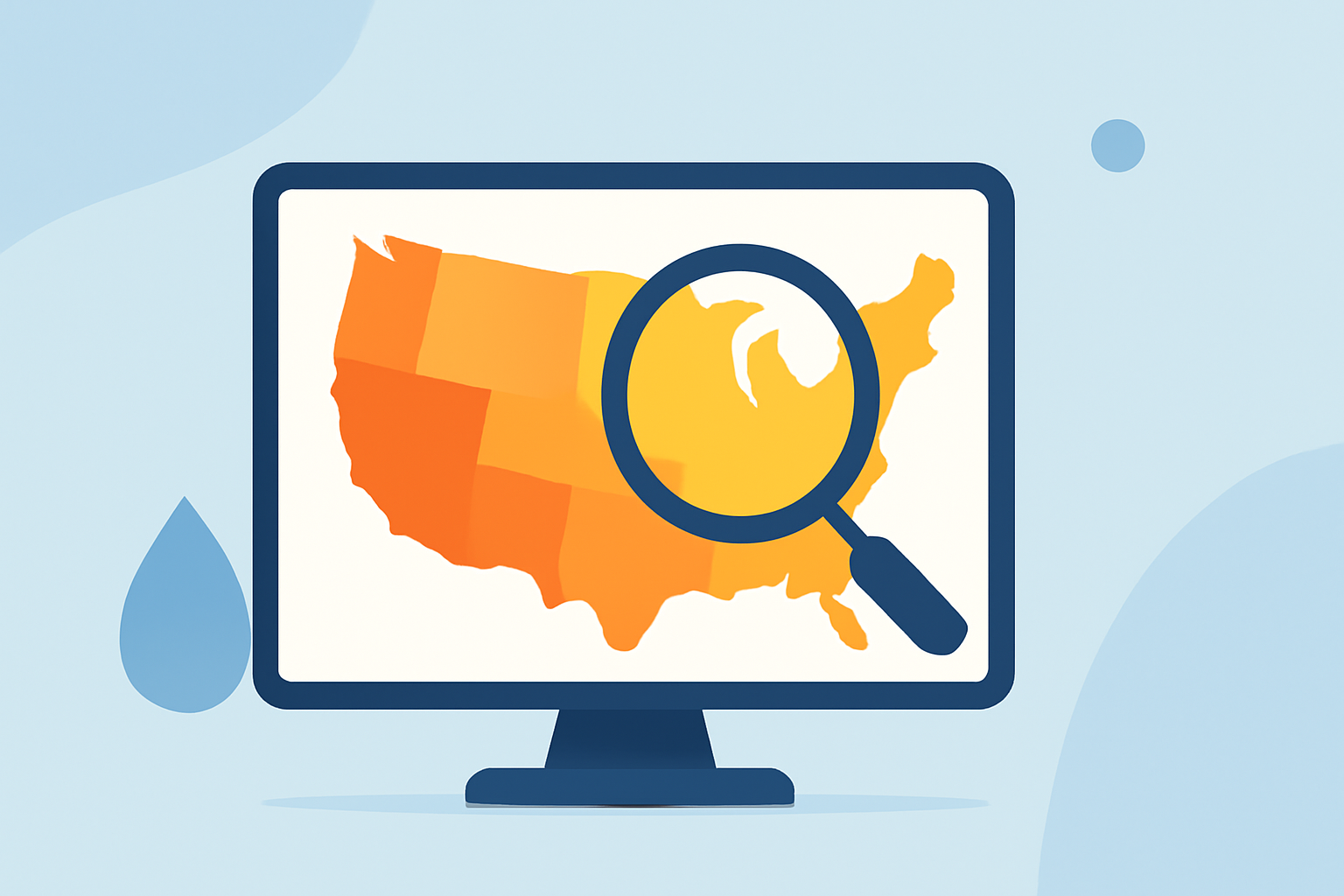
Monitoring drought conditions is crucial for effective water resource management, agriculture, and disaster preparedness in the United States. A systematic approach to drought monitoring involves several key steps:
1. Define the Monitoring Objectives
Clearly outline the goals of your drought monitoring efforts. Objectives may include assessing current drought severity, predicting future conditions, or evaluating the effectiveness of mitigation strategies.
2. Select Relevant Indicators
Choose indicators that accurately reflect drought conditions. Commonly used indicators include:
- Precipitation Levels: Compare current precipitation to historical averages.
- Soil Moisture: Assess the moisture content in the soil.
- Streamflow: Monitor water flow in rivers and streams.
- Vegetation Health: Evaluate plant health using indices like the Vegetation Condition Index (VCI).
3. Gather Data
Collect data from reliable sources:
- National Drought Mitigation Center (NDMC): Provides comprehensive drought data and maps.
- U.S. Drought Portal: Offers current and historical drought information.
- ClimateEngine.org: Provides access to fire and drought indicators.
4. Analyze Data
Utilize analytical tools to interpret the collected data:
- U.S. Drought Monitor (USDM): Offers weekly updates on drought conditions across the U.S.
- ClimateEngine.org: Allows mapping of drought indices to understand conditions pre-fire.
5. Interpret Results
Assess the severity and spatial distribution of drought conditions. Determine areas of concern and potential impacts on water resources, agriculture, and ecosystems.
6. Communicate Findings
Share the analysis results with stakeholders, including government agencies, farmers, and the public. Effective communication ensures informed decision-making and timely responses to drought conditions.
7. Implement Mitigation Strategies
Based on the findings, develop and execute strategies to mitigate drought impacts. This may involve water conservation measures, agricultural adjustments, or policy changes.
8. Monitor and Adjust
Continuously monitor drought conditions and the effectiveness of implemented strategies. Be prepared to adjust approaches as new data becomes available or conditions change.
By following this structured workflow, stakeholders can effectively monitor and respond to drought conditions, minimizing adverse effects on communities and the environment.
For more detailed guidance, refer to the U.S. Drought Portal and the U.S. Drought Monitor.
(drought.gov)