
Understanding Drought Monitoring During Hurricane Season
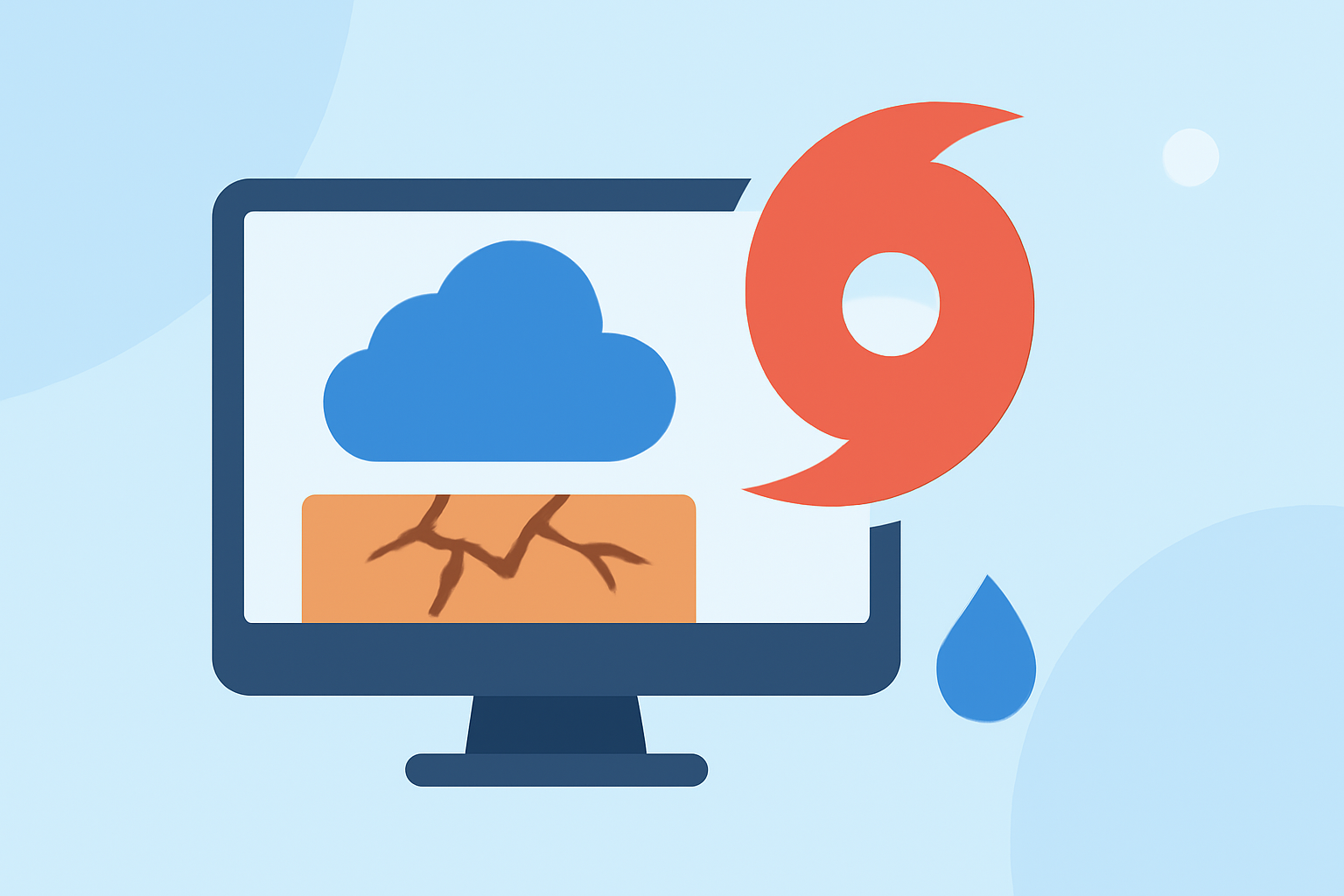
Drought monitoring is a critical component of effective water resource management, especially during hurricane season. While hurricanes are typically associated with excessive rainfall, their aftermath can lead to drought conditions in certain regions. Understanding how to monitor and manage these conditions is essential for mitigating potential impacts.
What Is Drought Monitoring?
Drought monitoring involves the systematic observation and analysis of various climatic and hydrological indicators to assess the presence and severity of drought conditions. Key indicators include precipitation levels, temperature variations, soil moisture content, streamflow rates, and groundwater levels. By continuously tracking these factors, authorities can identify emerging droughts and implement timely mitigation strategies. (drought.gov)
Challenges in Monitoring Drought During Hurricane Season
The hurricane season presents unique challenges for drought monitoring:
-
Rapid Hydrological Changes: Hurricanes can cause sudden shifts in water availability, leading to flash droughts that develop within weeks. Traditional monitoring methods may not detect these rapid changes promptly. (drought.gov)
-
Regional Variability: The impact of hurricanes varies across regions. Some areas may experience excessive rainfall, while others might face reduced precipitation, complicating drought assessments.
-
Data Gaps: Inadequate observational networks can hinder accurate monitoring, especially in remote or underserved areas.
The Importance of Drought Monitoring During Hurricane Season
Effective drought monitoring during hurricane season is vital for several reasons:
-
Early Detection: Identifying drought conditions early allows for prompt response, reducing potential economic and environmental impacts.
-
Resource Allocation: Accurate monitoring informs decisions on water conservation measures, agricultural planning, and emergency response.
-
Community Preparedness: Providing timely information helps communities prepare for and adapt to changing water availability.
Drought Monitoring Indicators and Indices
Monitoring drought involves observing indicators and indices that evaluate changes in a region's hydrological cycle. Indicators, which are used to describe drought conditions, are variables such as precipitation, temperature, streamflow, ground and reservoir water levels, soil moisture, and snowpack. Indices, on the other hand, are calculated numerical representations of drought severity that use climatic or hydrometeorological data, and can include indicators such as precipitation and temperature. Indices provide quantitative measurements that describe the severity, location, timing, and duration of drought. They are essential in tracking and predicting the impact of drought and can also provide a historical reference that planners can use to evaluate future droughts. (drought.gov)
How Clime Supports Drought Monitoring
Clime offers advanced tools designed to enhance drought monitoring efforts, particularly during hurricane season:
-
Real-Time Data Collection: Clime's platform aggregates real-time data from various sources, providing up-to-date information on precipitation, temperature, and soil moisture levels.
-
Advanced Analytics: Utilizing sophisticated algorithms, Clime analyzes complex datasets to identify emerging drought conditions and predict potential impacts.
-
User-Friendly Dashboards: Clime presents data through intuitive dashboards, enabling stakeholders to quickly interpret information and make informed decisions.
-
Customizable Alerts: Users can set thresholds for specific indicators, receiving alerts when conditions approach predefined drought levels.
By leveraging Clime's comprehensive suite of tools, communities and organizations can enhance their drought monitoring capabilities, ensuring a more resilient response to the challenges posed during hurricane season.
Highlights:
- Drought and Low Water in the Lower Mississippi River | Drought.gov, Published on Friday, June 05