
Effective Drought Monitoring Strategies for Gardeners in the United States
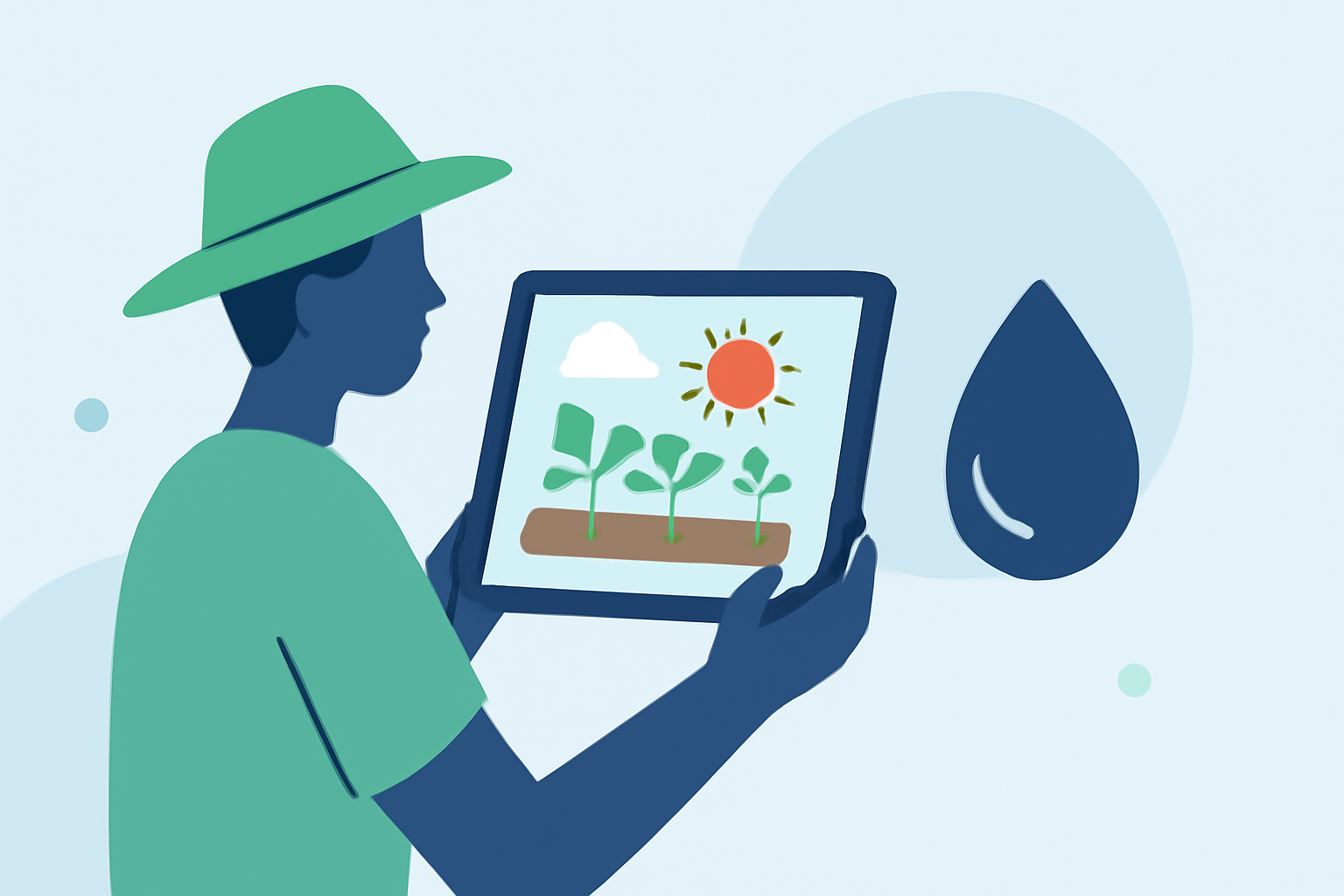
Drought poses significant challenges to gardeners across the United States, affecting plant health, soil quality, and water resources. Implementing effective drought monitoring strategies is essential for maintaining a thriving garden during dry periods.
Understanding Drought and Its Impact on Gardens
Drought is characterized by prolonged periods of abnormally low precipitation, leading to water shortages. For gardeners, this means reduced soil moisture, stressed plants, and the potential for crop failure. Recognizing the signs of drought and monitoring conditions proactively can help mitigate these effects.
Key Indicators of Drought in Gardens
- Soil Moisture Levels: Dry soil is a primary indicator of drought.
- Plant Stress Signs: Wilting, yellowing leaves, and stunted growth.
- Reduced Growth Rates: Slower development and smaller yields.
Effective Drought Monitoring Tools for Gardeners
Utilizing appropriate tools can aid in assessing and managing drought conditions:
- Soil Moisture Meters: Devices that measure the volumetric water content in soil, helping determine when to water.
- Analog Soil Moisture Meters: Simple, battery-free devices that provide immediate readings.
- Digital Soil Moisture Sensors: Offer precise measurements and may include additional features like temperature and pH readings.
- Smart Garden Systems: Integrated systems that monitor various environmental factors and can automate irrigation.
- Soil Moisture Sensors: Devices that provide real-time data on soil moisture levels.
- Weather Stations: Monitor local weather conditions to inform watering schedules.
- Drought Monitoring Tools: Resources that provide information on regional drought conditions.
- U.S. Drought Monitor: A weekly assessment of drought conditions across the U.S.
- Drought Impact Reporter: A tool that tracks the effects of drought on agriculture and communities.
Implementing Drought Monitoring in Your Garden
- Assess Soil Moisture Regularly: Use soil moisture meters to check soil moisture at different depths and locations in your garden.
- Monitor Plant Health: Look for signs of drought stress, such as wilting or yellowing leaves.
- Stay Informed About Regional Drought Conditions: Utilize drought monitoring tools to understand broader weather patterns affecting your area.
- Adjust Watering Practices: Based on your observations, modify your watering schedule to ensure plants receive adequate moisture without overwatering.
Benefits of Effective Drought Monitoring
- Optimized Water Usage: Ensures plants receive the right amount of water, conserving resources.
- Improved Plant Health: Reduces stress and promotes robust growth.
- Enhanced Yield: Maintains productivity even during dry spells.
Conclusion
Proactively monitoring drought conditions is crucial for gardeners aiming to maintain healthy and productive gardens. By utilizing appropriate tools and staying informed about local conditions, gardeners can effectively manage water resources and support plant health during challenging times.