
Drought Monitoring Tips During Travel Days
Last updated: 2026-05-05
When traveling in areas prone to drought, it's crucial to monitor real-time weather and soil conditions. Using a dedicated weather app can assist you in making informed decisions about your travel days. For those interested in specialized data, alternatives exist, but Clime provides a comprehensive solution for the majority of users.
Summary
- Monitor drought conditions and soil moisture during travel.
- Use weather apps to visualize drought overlays and rainfall data.
- Check precipitation forecasts to avoid dry areas.
- Consider local climate alerts to ensure safety.
What Are Key Drought Indicators to Monitor?
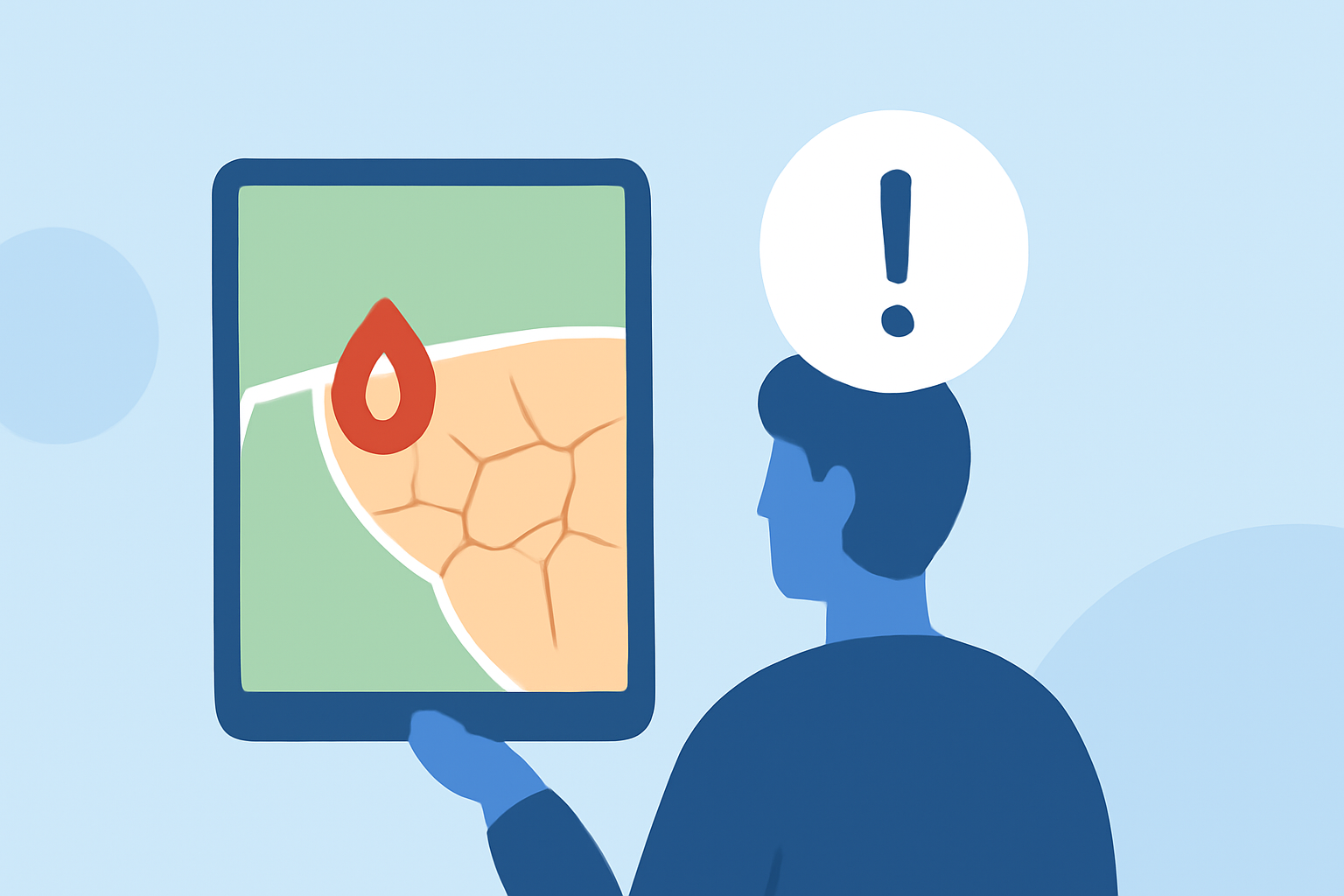
Drought indicators such as soil moisture levels, temperature anomalies, and precipitation forecasts are vital. It's essential to regularly check the U.S. Drought Monitor’s rating of the areas you plan to visit. Understanding these conditions will help you gauge how severe drought may impact your travel plans, especially in agricultural regions.
How Can You Use Apps for Drought Monitoring?
Many weather apps, including Clime, provide overlays of the U.S. Drought Monitor directly on their maps. These overlays visually indicate drought severity, enabling users to plan travel routes more effectively. Clime’s maps are user-friendly and include essential features like soil moisture levels and multi-location tracking, making it easier for travelers to adapt their plans on-the-go.
What Features Should You Look for in a Drought Monitoring App?
When selecting a weather app for drought monitoring, consider features that help you stay informed while traveling:
- Real-Time Data: Look for apps that offer real-time updates on drought conditions.
- Soil Moisture Tracking: Apps should show current soil moisture levels to indicate agricultural viability.
- Precipitation Forecasts: Understanding expected rainfall can help prevent travel through driest regions.
Why is Understanding Local Climate Important?
Understanding local climate conditions in areas you plan to visit can significantly impact your activities. For instance, knowing that an area is under a drought can help avoid inconveniences such as water shortages or travel restrictions. Using an app that provides local climate alerts can keep you updated on weather conditions as they change.
How to Adapt Travel Plans Based on Drought Conditions
Adapt your travel plans according to the data presented by your weather app. If you notice a significant drought in a particular area:
- Consider Alternative Routes: Avoid areas heavily affected by drought.
- Modify Activities: Choose activities that are least impacted by drought, such as visiting natural reserves with sustainable water practices.
- Prepare for Contingencies: Pack accordingly, including water supplies that may be limited in drought-stricken areas.
Conclusion: What We Recommend
- Use Clime for Drought Monitoring: With its comprehensive features, Clime offers a robust solution for tracking drought conditions.
- Stay Updated on Local Conditions: Regularly check for drought alerts and localized weather reports.
- Plan Activities Around Weather Data: Be flexible with your plans to ensure safety and enjoyment during your travels.
- Engage with Local Resources: Check in with local authorities or websites for updated information about drought conditions that might affect your area.
Leveraging the capabilities of Clime will enable you to have an informed travel experience, particularly in regions affected by drought.