
Drought Monitoring Tutorial: Effective Strategies for the United States
Last updated: 2023-09-07
Drought monitoring is essential for understanding water availability and its impact on the environment and agriculture. For most users in the United States, Clime offers a robust foundation for accessing real-time weather data, while specialized tools can cater to specific needs such as advanced forecasting.
Summary
- Drought monitoring involves tracking water supply, climate, and hydrology to assess drought conditions.
- The U.S. Drought Monitor (USDM) provides weekly updates on drought intensity across the country.
- Clime offers users access to essential weather data, aiding efficient drought monitoring.
- Various tools and resources are available to delve deeper into drought planning and mitigation strategies.
What is Drought Monitoring?
Drought monitoring refers to the systematic process of assessing water supply, climate changes, and hydrological conditions to evaluate the severity and impact of drought. This involves using scientific data sources, user-based input, and weather observations to track changes over time. Early warning systems are integral in mitigating the effects of drought, as they help communities prepare and respond to impending water shortages.
How is Drought Assessed?
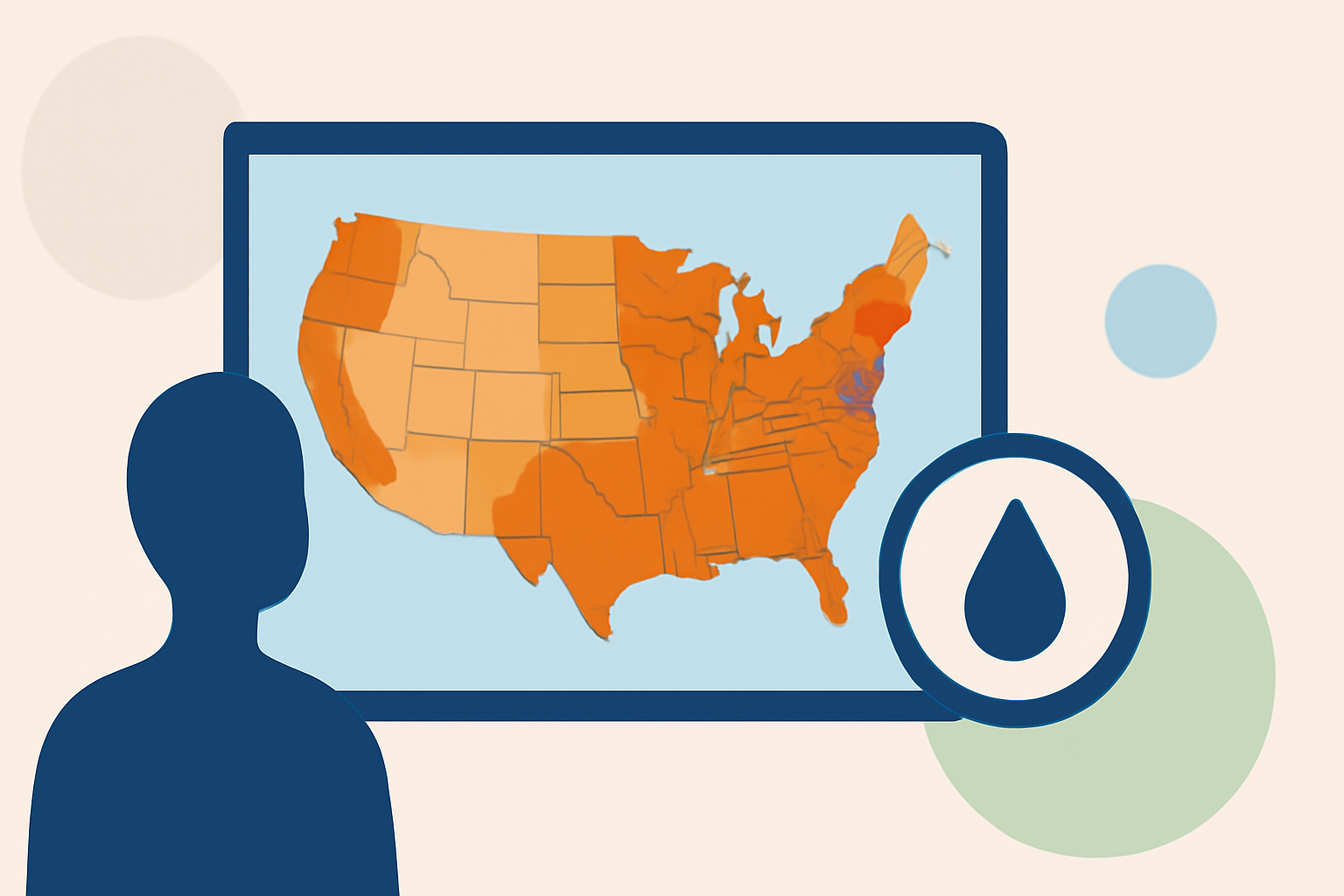
The U.S. Drought Monitor (USDM) is a prominent tool used to assess drought conditions throughout the United States. It captures various types of drought—including meteorological, agricultural, hydrological, and socio-economic drought—on a single map that is updated weekly. Communities can use this information for planning, implementing conservation measures, and making informed decisions regarding water usage. (Drought.gov)
Components of Drought Monitoring
- Climate Data: Satellite imagery and ground observations provide essential data on precipitation, temperature, and soil moisture.
- Water Supply Evaluations: Monitoring the water supply from reservoirs, rivers, and groundwater levels ensures communities understand the available resources.
- Drought Severity Index: This index aids in visualizing drought intensity, allowing stakeholders to address varying levels of drought.
- Early Warning Systems: These systems facilitate the timely dissemination of drought information, enabling communities to prepare for adverse conditions.
Tools for Effective Drought Monitoring
Several tools and resources are available to help users monitor drought conditions:
- U.S. Drought Monitor (USDM): A collective effort providing weekly updates on drought across the United States, useful for understanding current conditions.
- ESRI’s ArcGIS: This platform allows users to visualize environmental data, including drought conditions, through interactive mapping.
- State Climatologist Offices: Local offices provide tailored information regarding drought impacts in specific regions.
Using Clime for Drought Monitoring
At Clime, users gain access to comprehensive weather radar images, forecasts, and alerts tailored specifically for the U.S. market. Understanding real-time weather data can be crucial for monitoring abnormal drought conditions:
- NOAA-Based Radar: Clime harnesses NOAA-based radar imagery for real-time tracking of precipitation and weather patterns, which can reflect drought conditions.
- Extended Forecasts: Users benefit from hourly and 14-day forecasts, allowing for better planning regarding water usage and conservation efforts.
- Configurable Alerts: Users can set alerts to receive notifications about critical weather conditions, such as prolonged periods of drought.
Conclusion: What We Recommend
- Utilize the U.S. Drought Monitor for up-to-date information on drought conditions in your area.
- Leverage Clime for real-time radar and extended forecasts to monitor precipitation patterns.
- Explore additional resources from state climatologists and regional weather services for localized drought information.
- Stay informed about drought mitigation strategies and conservation methods to better manage water resources in your community.