
Understanding Drought Trends and Tips During Winter Storms
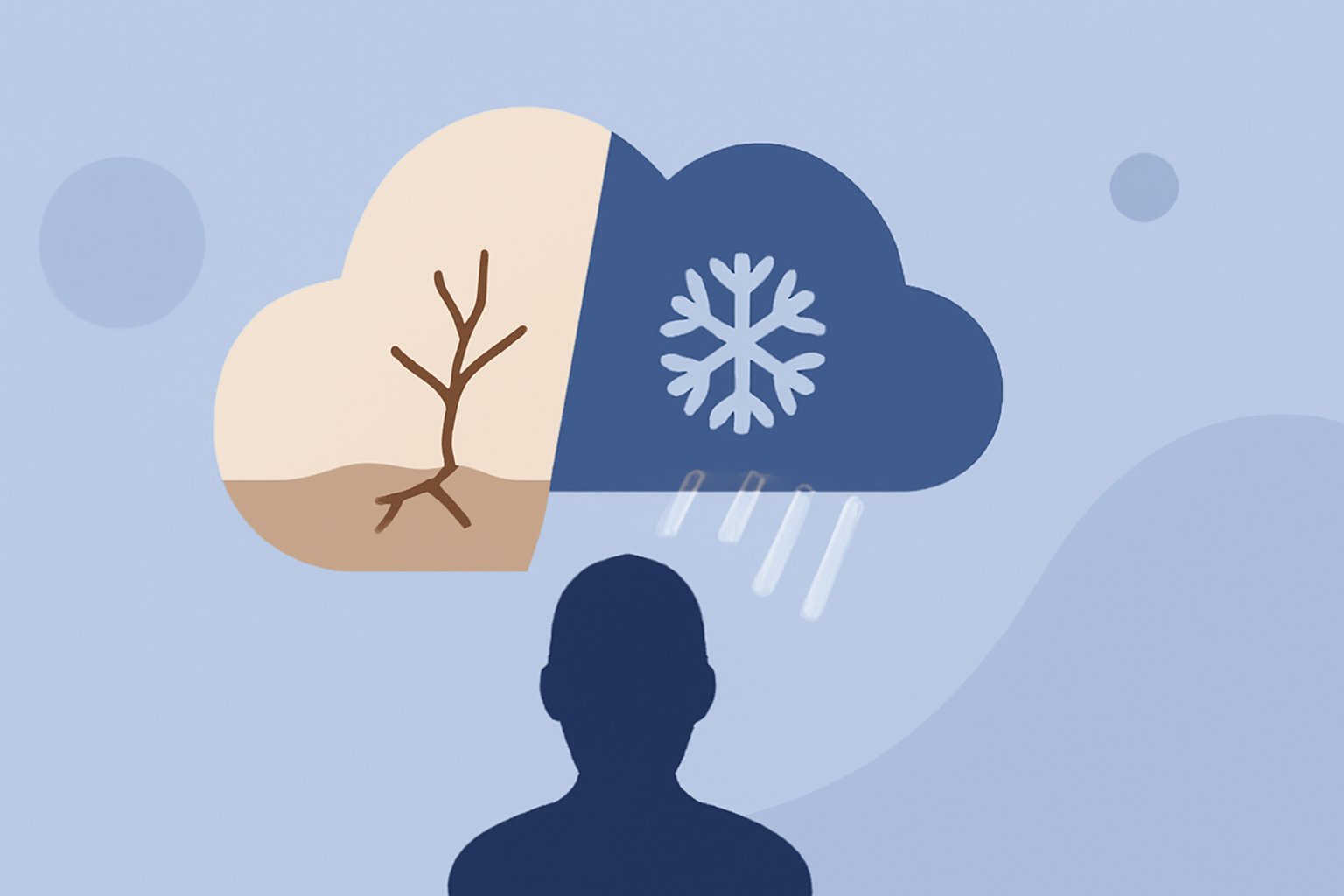
Winter storms, characterized by heavy snowfall, sleet, freezing rain, and ice, can significantly impact drought conditions across the United States. While these storms may provide temporary relief, their effectiveness in alleviating drought varies based on several factors.
How Do Winter Storms Affect Drought Conditions?
Winter storms can bring substantial precipitation, which might seem beneficial for drought-stricken areas. However, the immediate impact on drought conditions is often limited. For instance, a major winter storm in January 2026 delivered widespread snow and ice across the country, yet the U.S. Drought Monitor Report indicated that drought conditions remained largely unchanged. This is because much of the precipitation remained frozen, delaying its benefits to soils and water supplies. (western-water.com)
Why Are Winter Storms Not Always Effective in Combating Drought?
Several factors contribute to the limited impact of winter storms on drought conditions:
-
Frozen Precipitation: Snow and ice from winter storms often remain frozen, preventing immediate absorption into the soil and delaying replenishment of water supplies.
-
Unseasonably Warm Temperatures: In some regions, winter storms have been accompanied by warmer temperatures, leading to rapid melting of snowpack without sufficient time for water to seep into the ground. (washingtonpost.com)
-
Insufficient Precipitation: Even with heavy snowfall, the amount of water released upon melting may not be enough to offset prolonged periods of dryness.
What Are the Implications for Homeowners?
Understanding the limited impact of winter storms on drought conditions is crucial for homeowners:
-
Prepare for Drought Conditions: Do not rely solely on winter storms to alleviate drought. Implement water conservation measures and stay informed about local water restrictions.
-
Winter Storm Preparedness: Ensure your home is ready for winter storms by insulating water lines, sealing gaps, and having emergency supplies on hand. (cdc.gov)
How Can Homeowners Prepare for Winter Storms?
Proper preparation can mitigate the effects of winter storms and protect your home:
-
Weatherproof Your Home: Insulate water lines, caulk and weather-strip doors and windows, and install storm windows to prevent heat loss. (cdc.gov)
-
Maintain Heating Systems: Have your chimney or flue inspected annually if using a fireplace or wood stove, and ensure your furnace is functioning properly.
-
Emergency Supplies: Stock up on essentials such as non-perishable food, water, medications, and a battery-powered radio. (redcross.org)
-
Vehicle Readiness: Keep your car winter-ready with antifreeze, a snow scraper, flashlight, and a full gas tank. (apha.org)
What Are the Risks of Not Preparing?
Failing to prepare for winter storms can lead to:
-
Property Damage: Unaddressed issues like ice dams can cause roof leaks and structural damage. (usaa.com)
-
Health Hazards: Exposure to cold temperatures can result in hypothermia and frostbite.
-
Power Outages: Winter storms can disrupt power lines, leading to outages that may last for days. (poweroutage.us)
Conclusion
While winter storms can provide temporary relief to drought conditions, their effectiveness is often limited. Homeowners should not rely solely on these events to alleviate drought but should take proactive measures to prepare for both winter storms and ongoing drought conditions.
Highlights:
- Why Climate Change Sometimes Brings Major Winter Storms, Published on Wednesday, February 12