
Drought Trends: Essential Tips for Gardeners in the United States
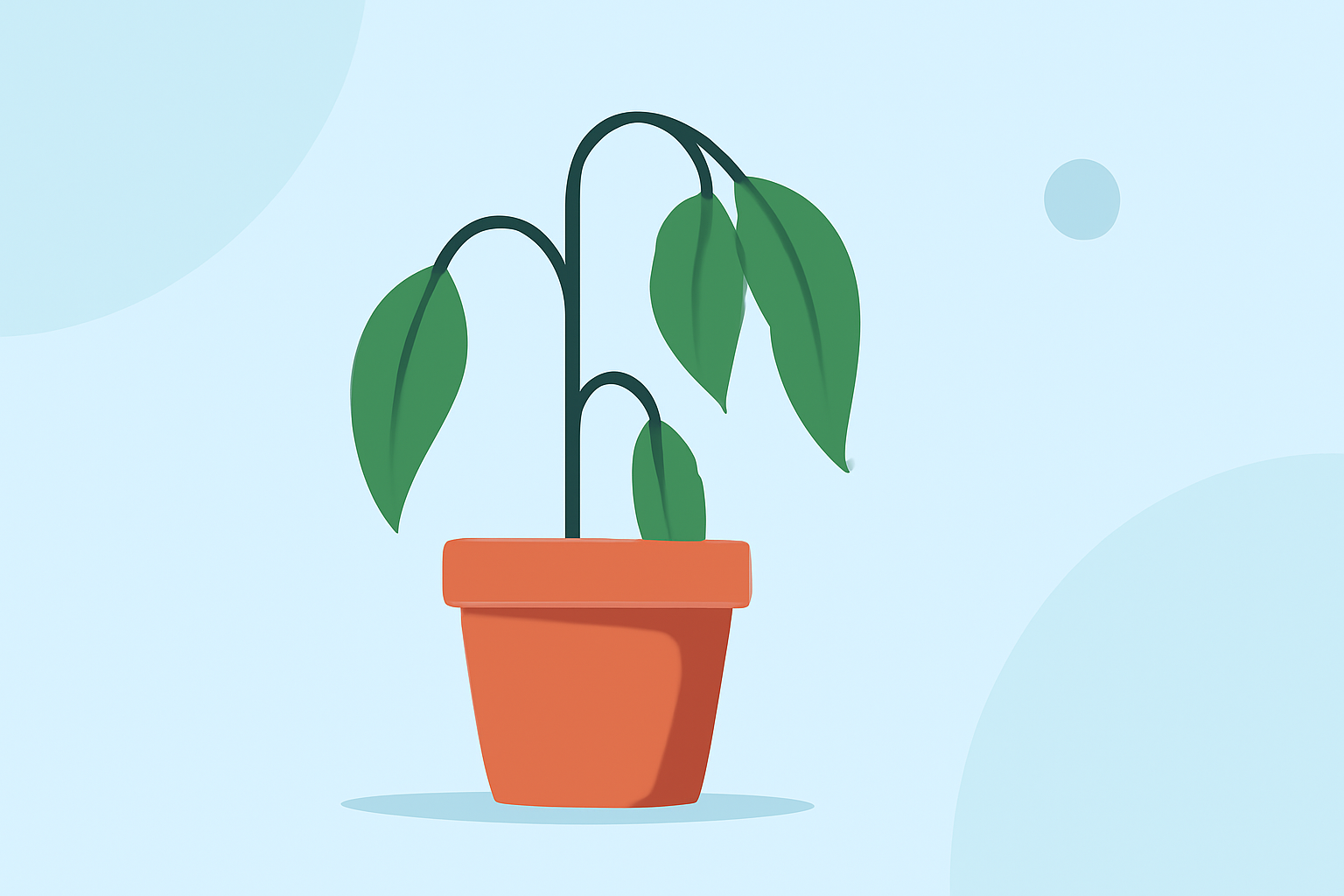
As climate patterns shift, many regions in the United States are experiencing more frequent and prolonged droughts. This trend poses significant challenges for gardeners striving to maintain healthy and productive landscapes. Adapting to these conditions requires a combination of strategic planning, plant selection, and efficient water management.
How Can Gardeners Adapt to Increasing Drought Conditions?
Adapting to drought conditions involves selecting appropriate plants, implementing efficient watering practices, and enhancing soil health.
1. Select Drought-Tolerant Plants
Choosing plants that thrive in arid conditions is crucial. Native species are often well-suited to local climates and require less water. For instance, in arid regions, the Baja Fairy Duster (Calliandra californica) is a desert-native shrub with red powder-puff flowers, perfect for full sun and dry heat. (homesandgardens.com)
2. Implement Efficient Watering Practices
Watering techniques significantly impact plant health during droughts.
-
Water Deeply and Infrequently: Encourage deep root growth by watering thoroughly but less often. This method helps plants access moisture deeper in the soil. (gardeners.com)
-
Use Drip Irrigation: Drip systems deliver water directly to the soil, minimizing evaporation and ensuring efficient water use. (almanac.com)
-
Water Early in the Morning: Early morning watering reduces evaporation losses and allows plants to absorb moisture before the heat of the day. (gardeners.com)
3. Enhance Soil Health
Healthy soil retains moisture better and supports plant resilience.
-
Incorporate Organic Matter: Adding compost or well-decomposed manure improves soil structure and water-holding capacity. (chicagobotanic.org)
-
Apply Mulch: A 2-3 inch layer of organic mulch conserves soil moisture, suppresses weeds, and regulates soil temperature. (gardeners.com)
What Are the Best Practices for Water Conservation in the Garden?
Conserving water is essential for sustainable gardening during droughts.
1. Prioritize Watering Needs
Focus on plants that are most susceptible to drought stress, such as newly planted trees, shrubs, and perennials. Established lawns and native plants typically require less water. (extension.umn.edu)
2. Collect Rainwater
Installing rain barrels allows gardeners to capture and store rainwater for use during dry periods, reducing reliance on municipal water systems. (gardeners.com)
3. Use Water-Efficient Tools
Employing soaker hoses or drip irrigation systems ensures water is delivered directly to plant roots, minimizing waste. (almanac.com)
How Can Gardeners Support Pollinators During Droughts?
Maintaining pollinator-friendly gardens is vital, even during drought conditions.
1. Plant Native Pollinator-Friendly Species
Incorporate native plants that attract and support pollinators. For example, Bee Balm (Monarda) is a native perennial that tolerates dry periods once established and attracts various pollinators. (homesandgardens.com)
2. Provide Water Sources
Install shallow water dishes with stones to offer resting spots for pollinators, ensuring they have access to hydration during dry spells.
3. Avoid Pesticides
Limit or eliminate pesticide use to protect pollinators from harmful chemicals.
What Are Common Mistakes to Avoid During Drought Conditions?
Being aware of common pitfalls can help gardeners navigate drought conditions more effectively.
1. Overwatering
Excessive watering can lead to root rot and other issues. It's important to water deeply and infrequently, allowing soil to dry out between waterings. (gardeners.com)
2. Ignoring Soil Health
Neglecting soil quality can exacerbate drought stress. Regularly adding organic matter and practicing proper soil management are essential. (chicagobotanic.org)
3. Planting Non-Native Species
Introducing non-native plants that are not drought-tolerant can increase water usage and may not thrive in local conditions. Opting for native species is more sustainable. (extension.umn.edu)
How Can Gardeners Prepare for Future Droughts?
Proactive planning can enhance a garden's resilience to future droughts.
1. Monitor Local Climate Trends
Stay informed about local weather patterns and drought forecasts to make timely adjustments to gardening practices.
2. Educate Yourself
Attend workshops, read relevant literature, and engage with local gardening communities to learn about drought-resistant gardening techniques.
3. Implement Sustainable Practices
Adopt water-saving technologies, such as rainwater harvesting systems, and practice xeriscaping to reduce water dependency.
By adopting these strategies, gardeners can create resilient landscapes that thrive despite the challenges posed by increasing drought conditions.
Highlights:
- Heat-Proof Flowering Shrubs For Hotter Summers - 6 Of The Best That Will Flourish in Drought and Heat Without Fuss, Published on Saturday, June 13
- How to create a drought-tolerant garden: 4 steps to protect your plants, Published on Friday, August 01
- How to Plant a Drought-Tolerant Pollinator Garden - 7 of the Best Native Perennials and Shrubs, Published on Friday, May 15