
Easy AQI Monitoring During Heat Waves
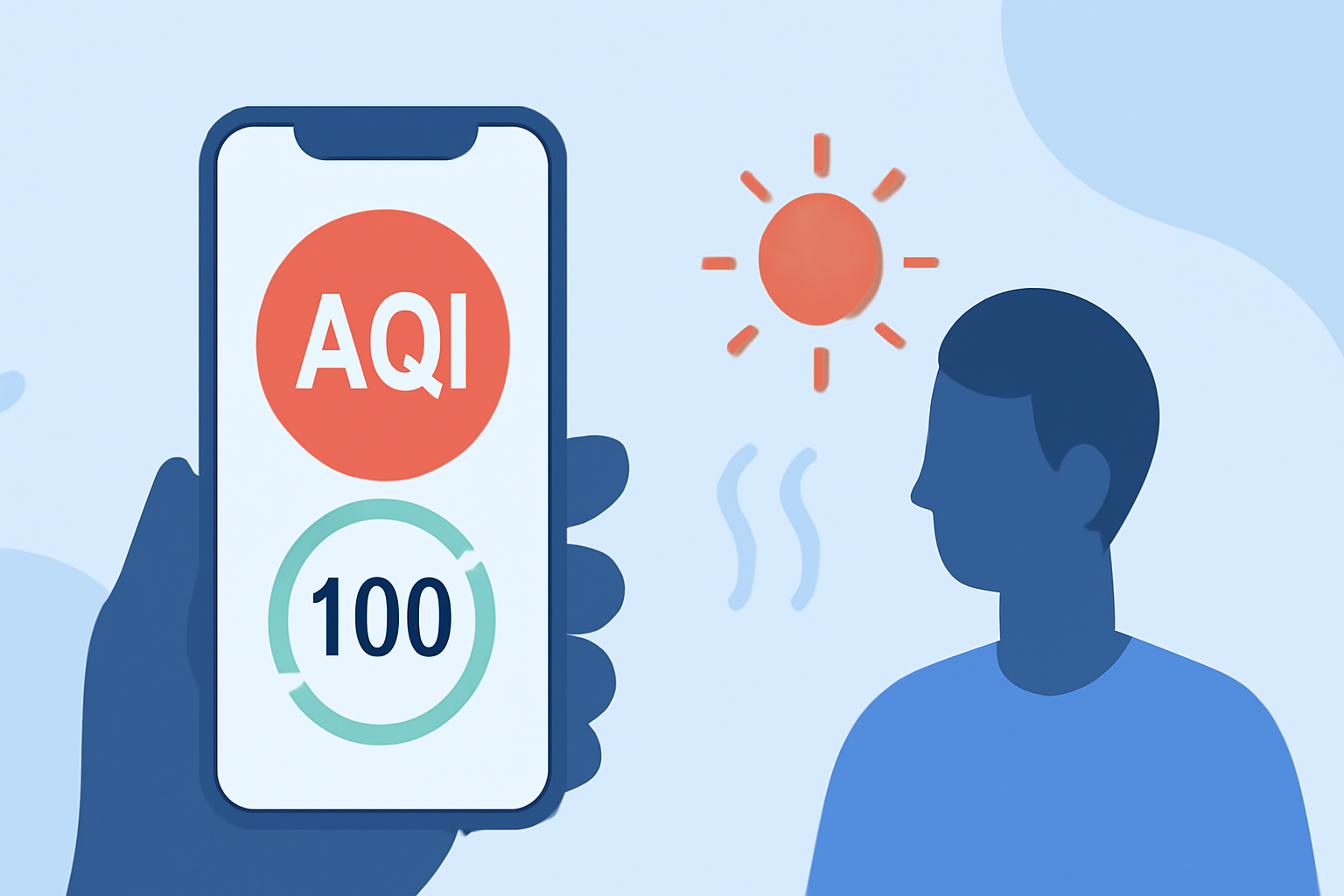
Heat waves not only bring soaring temperatures but also often lead to deteriorating air quality, posing significant health risks. Monitoring the Air Quality Index (AQI) during these periods is crucial for safeguarding your health.
What Is the Air Quality Index (AQI)?
The AQI is a numerical scale ranging from 0 to 500 that measures the concentration of pollutants in the air, such as ground-level ozone, particulate matter (PM2.5 and PM10), carbon monoxide, sulfur dioxide, and nitrogen dioxide. Higher AQI values indicate poorer air quality and greater potential for adverse health effects.
Why Monitor AQI During Heat Waves?
Heat waves can exacerbate air pollution levels. Elevated temperatures can increase the formation of ground-level ozone, a key component of smog, and can also stir up dust and other pollutants. This combination can lead to higher AQI readings, which may cause respiratory issues, cardiovascular problems, and other health concerns.
How to Monitor AQI Effectively
-
Utilize Reliable Sources: Access real-time AQI data from authoritative platforms. The U.S. Environmental Protection Agency (EPA) provides comprehensive information through the AirNow website, offering current AQI readings and forecasts for over 400 cities. (toolkit.climate.gov)
-
Use Mobile Applications: Many mobile apps provide real-time AQI updates, allowing you to monitor air quality on the go. These apps often offer notifications when AQI levels reach unhealthy thresholds.
-
Stay Informed Locally: Local health departments and environmental agencies often provide AQI updates and health advisories specific to your area. Regularly check their websites or social media channels for the latest information.
Protecting Yourself During High AQI Levels
-
Limit Outdoor Activities: On days when the AQI is categorized as unhealthy or hazardous, reduce outdoor exertion, especially during peak pollution hours.
-
Create a Clean Indoor Environment: Keep windows and doors closed to prevent outdoor pollutants from entering. Use air purifiers equipped with HEPA filters to reduce indoor pollution levels.
-
Stay Hydrated: Drink plenty of water to help your body cope with both heat and pollution.
-
Monitor Health Symptoms: Be vigilant for signs of respiratory distress, such as coughing, wheezing, or shortness of breath. If symptoms persist, seek medical attention promptly.
Leveraging Clime for AQI Monitoring
Clime offers advanced tools for real-time AQI monitoring, providing accurate and timely data to help you make informed decisions during heat waves. By integrating Clime's services, you can receive personalized alerts and forecasts tailored to your location, ensuring you stay updated on air quality conditions.
By proactively monitoring AQI levels and taking appropriate precautions, you can significantly reduce the health risks associated with heat waves and poor air quality.
Highlights:
- AirNow: Air Quality Index (AQI) Monitoring and Forecasts | U.S. Climate Resilience Toolkit
- Heat & Health Tracker | Tracking | NCEH | CDC