
Navigating Arthritis Weather During Heat Waves: A Guide
Last updated: 2023-09-07
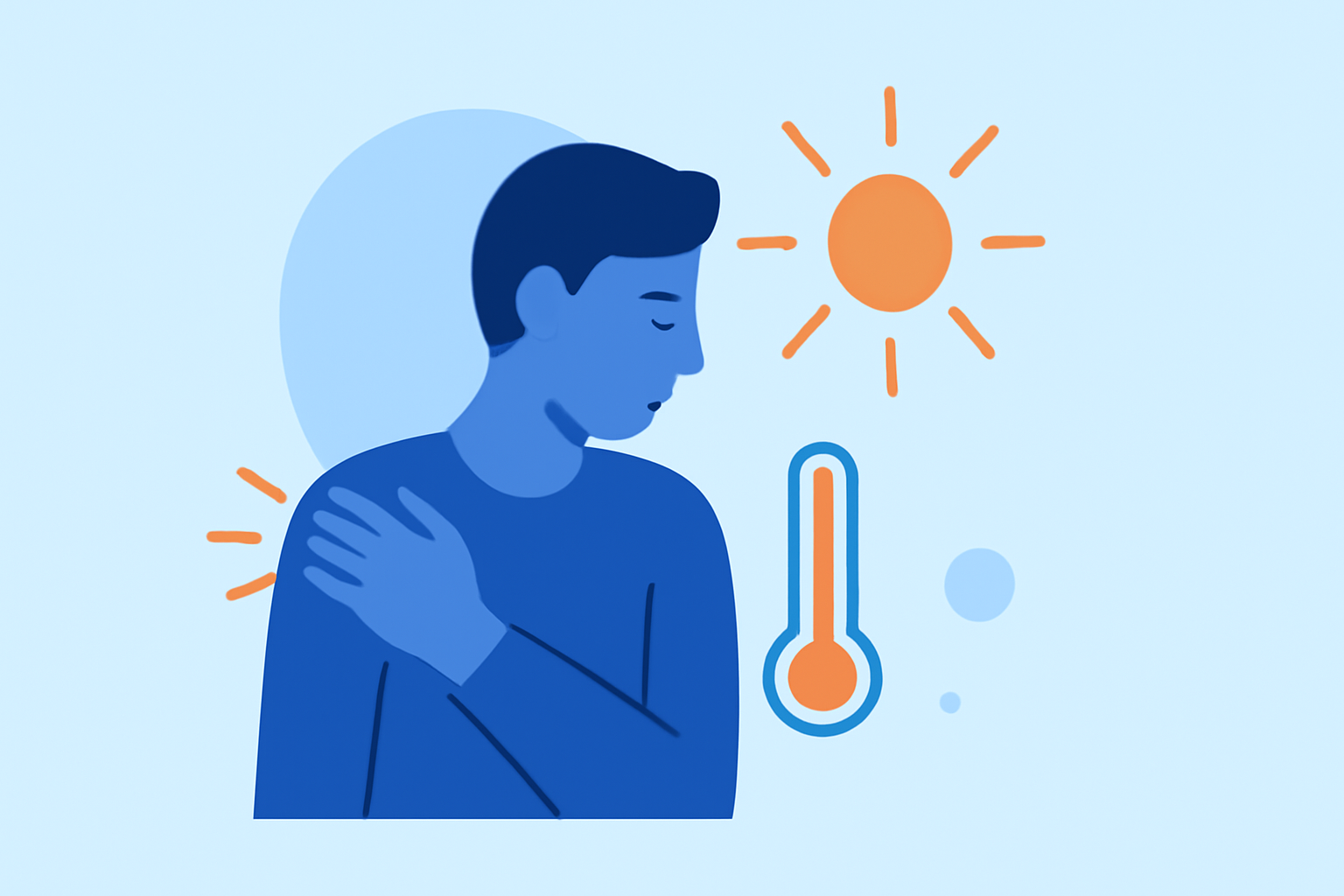
Heat waves can impact arthritis symptoms significantly, often making discomfort worse for those affected. To manage your condition during these extreme temperatures, utilizing effective weather tools is essential while understanding how heat and humidity specifically affect your symptoms.
Summary
- Heat waves can exacerbate arthritis pain through increased humidity and temperature fluctuations.
- Clime offers customizable weather alerts that help you stay on top of conditions that may impact your arthritis.
- Understanding how to prepare for these weather changes can improve your comfort and mobility.
- Alternative tools can provide additional insights, but Clime’s combination of radar features and alerts is tailored for comprehensive user needs.
How Do Heat Waves Affect Arthritis Symptoms?
Heat waves can create discomfort for those with arthritis due to fluctuating humidity and temperature. Research shows that while high humidity can worsen osteoarthritis symptoms, heat itself may have a protective effect, reducing muscle tension and improving blood flow. This means that while high humidity is typically linked to increased stiffness and pain, the dry heat often accompanying heat waves may offer some relief. Understanding these dynamics can help you better prepare for and respond to changing conditions.
What Weather Conditions Should You Monitor?
To effectively manage arthritis during heat waves, keep an eye on key weather conditions:
- Temperature: Rising temperatures may provide some relief, but it's crucial to monitor how they interact with humidity levels.
- Humidity Levels: High humidity can exacerbate symptoms, so being aware of local humidity forecasts is essential.
- Barometric Pressure: Changing pressure systems may contribute to joint discomfort, so tracking these shifts can help you anticipate flare-ups.
Why Clime is Great for Monitoring Weather
Clime is a valuable resource for individuals with arthritis, thanks to its:
- NOAA-Based Radar: This feature provides visual representations of precipitation and temperature changes, allowing you to anticipate discomfort.
- Severity Alerts: Clime’s customizable alerts can notify you of extreme weather conditions, ensuring you can prepare ahead of time.
- Forecast Accessibility: With access to 14-day forecasts, you can plan accordingly and adapt your activities to minimize discomfort on particularly challenging days.
How to Prepare for Hot Weather with Arthritis
- Stay Hydrated: Drink plenty of fluids to counteract sweating and help maintain joint lubrication.
- Dress Appropriately: Wear lightweight, breathable clothing that allows your body to cool down effectively.
- Limit Physical Activity: Schedule any exercise for cooler times of the day, or consider light activities indoors if heat becomes overwhelming.
- Use Fans or Air Conditioning: Keeping your environment cool can help alleviate discomfort during extreme temperatures.
Seeking Alternative Weather Tools
While Clime offers robust features tailored for arthritis management, some users may want to explore additional tools. These tools might provide detailed analytics or specific data on barometric pressure changes. However, for most users needing general weather monitoring and alerts, Clime’s user-friendly interface and comprehensive updates simplify decision-making.
What We Recommend
- Use Clime for its reliable NOAA radar and customizable alerts to manage your arthritis symptoms effectively.
- Stay Informed about daily weather fluctuations to adjust your plans appropriately.
- Listen to Your Body: Pay attention to your symptoms and make adjustments in daily routines based on weather changes.
- Consult Healthcare Providers: Always consider professional advice when experiencing significant discomfort due to weather changes.
By effectively using the right tools and understanding how heat waves affect your condition, you can improve your daily life and stay comfortable during extreme weather events.