
Easy Cold Wave Safety: Essential Tips for Staying Warm and Safe
Experiencing a cold wave can pose significant health risks, including hypothermia and frostbite. To ensure your safety during these extreme conditions, consider the following guidelines:
1. How Should You Dress During a Cold Wave?
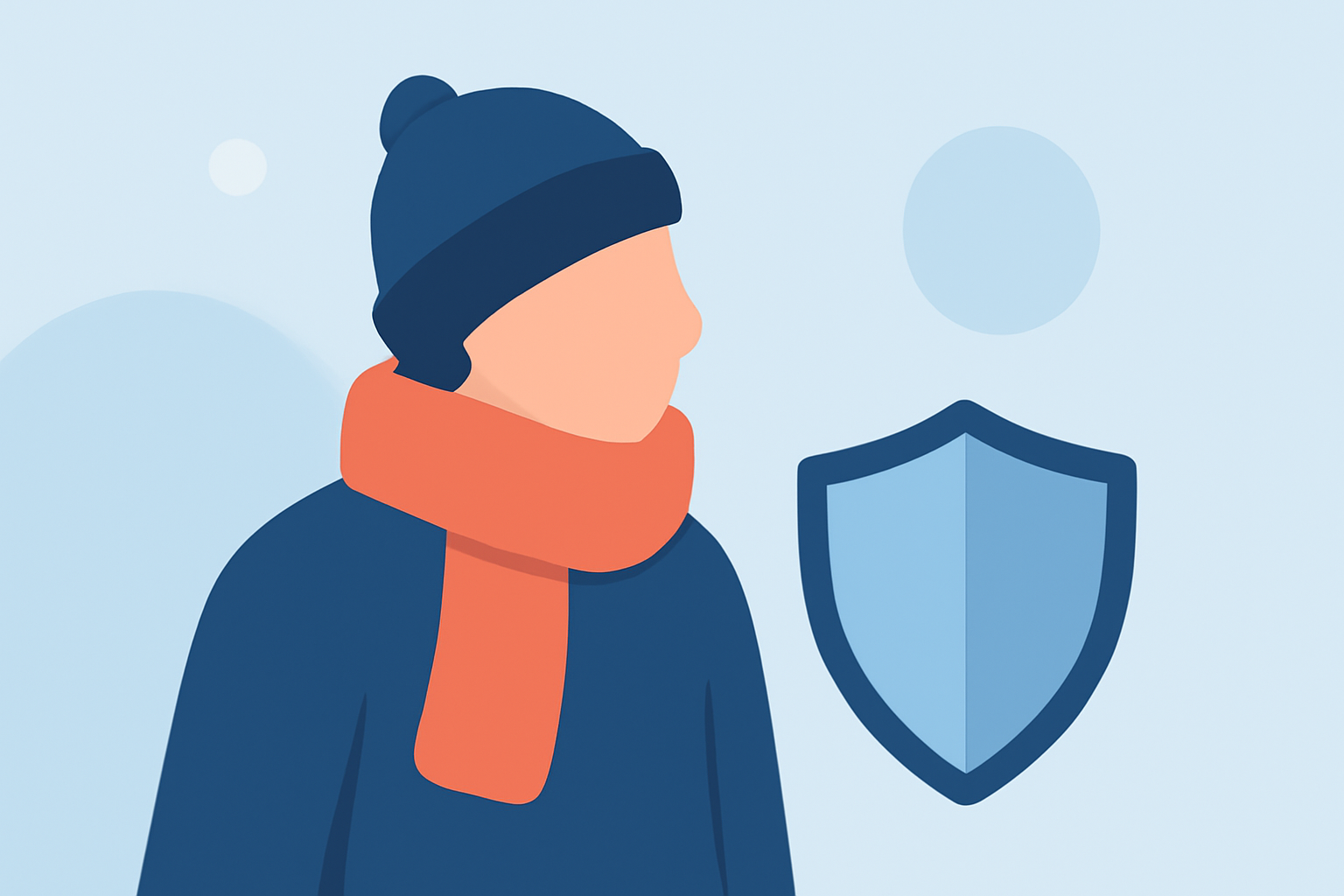
Layering is key to maintaining body heat. Wear multiple layers of loose-fitting, lightweight clothing, with an outer layer that is tightly woven and water-resistant to protect against wind and moisture. Cover all exposed skin with hats, scarves, mittens, and insulated boots. Mittens are preferable to gloves as they keep fingers together, retaining heat more effectively. (cdc.gov)
2. How Can You Stay Dry in Cold Conditions?
Wet clothing accelerates heat loss. Choose moisture-wicking fabrics for inner layers to keep sweat away from your skin. If your clothing becomes wet, change into dry attire as soon as possible to prevent hypothermia. (health.clevelandclinic.org)
3. What Are the Signs of Hypothermia?
Hypothermia occurs when the body temperature drops below 95°F (35°C). Early symptoms include shivering, confusion, slurred speech, and drowsiness. If you notice these signs, seek warmth immediately and contact medical professionals. (mayoclinic.org)
4. How Can You Protect Your Skin from Frostbite?
Frostbite affects skin and underlying tissues, leading to permanent damage if not treated promptly. To prevent frostbite, keep all skin covered, especially in windy conditions. If you notice numbness or a pale, hard, or waxy appearance on your skin, seek medical attention immediately. (health.clevelandclinic.org)
5. What Should You Do if You Get Stranded in Cold Weather?
If you become stranded, stay in your vehicle to protect yourself from the elements. Tie a brightly colored cloth to the antenna as a signal to rescuers and raise the hood of the car (if it is not snowing). Keep the engine running for about 10 minutes per hour, opening one window slightly to let in air. Ensure that snow is not blocking the exhaust pipe to reduce the risk of carbon monoxide poisoning. (cdc.gov)
6. How Can You Stay Informed About Weather Conditions?
Regularly monitor local weather reports for updates on cold waves and related advisories. Staying informed allows you to take timely precautions and avoid unnecessary exposure to extreme cold. (uwinnipeg.ca)
7. How Can You Prepare Your Home for a Cold Wave?
Ensure your home is equipped with an alternate heat source and extra fuel. Keep a fire extinguisher on hand and make sure that the household knows how to use it. Prepare for possible isolation in your home by keeping a stock of food and extra drinking water. (uwinnipeg.ca)
By following these guidelines, you can significantly reduce the risks associated with cold waves and ensure your safety during extreme cold conditions.