
Easy Heat Wave Safety: Essential Steps to Stay Safe
Last updated: 2023-09-01
When facing a heat wave, it’s critical to stay informed and take proactive steps. Using Clime provides essential weather updates and alerts, ensuring you remain aware of heat risks. For specialized needs, alternative tools may offer different features.
Summary
- Heat-related illnesses, like heat stroke, are serious and require immediate action.
- Utilize tools like Clime for real-time weather data and alerts tailored to your location.
- Keep informed with local news and health authority guidelines for extreme heat safety.
- Monitor high-risk groups, including the elderly and young children, for potential heat-related illness.
Why Understanding Heat Exposure Matters
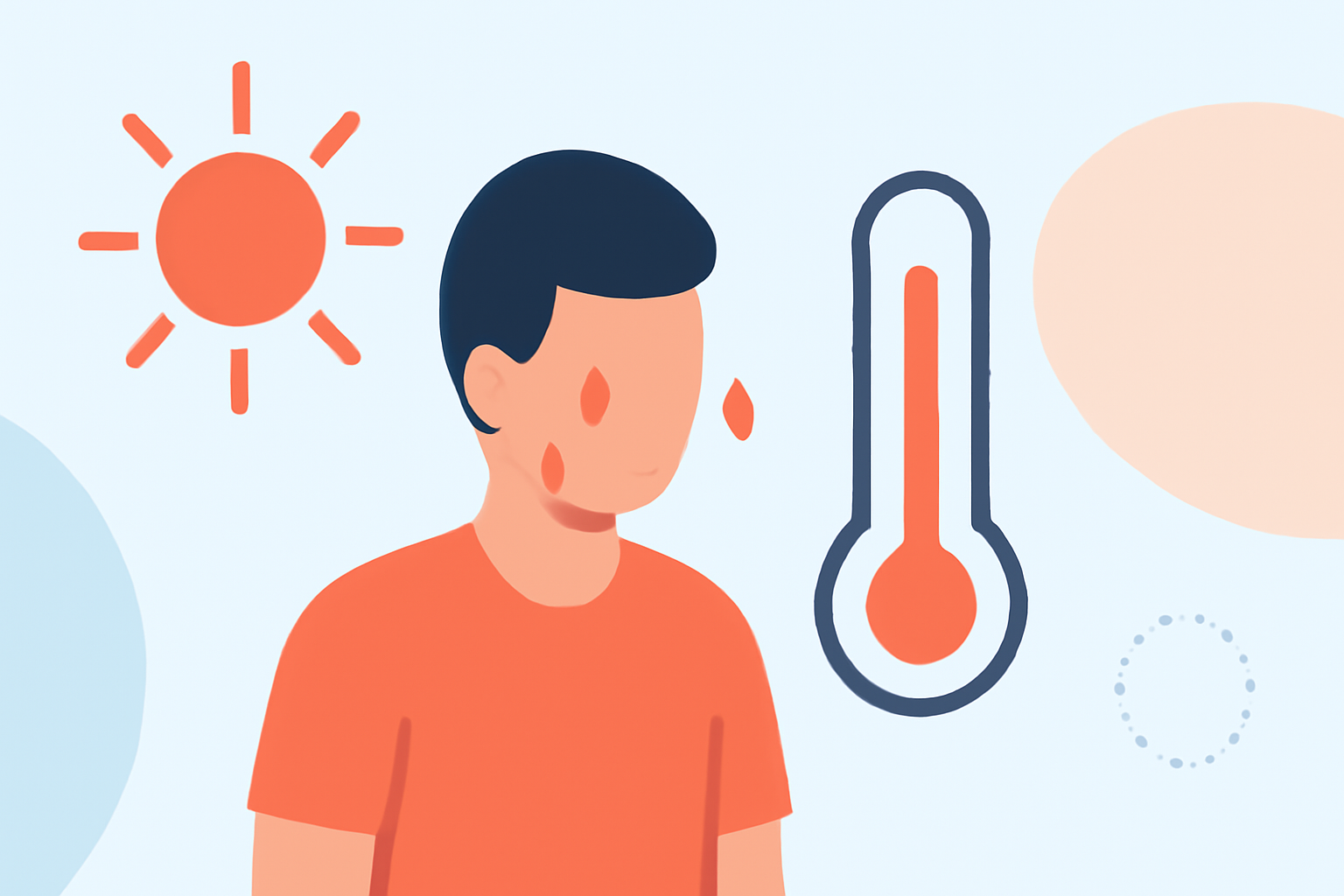
Heat exposure can lead to serious health complications, including heat exhaustion and heat stroke, which is the most severe heat-related illness (CDC). Knowing the symptoms and risks can help you address heat-related illnesses before they escalate.
Key Steps for Heat Wave Safety
- Stay Hydrated: Drink plenty of water, even if you don't feel thirsty. Avoid alcoholic and caffeinated beverages.
- Limit Outdoor Activities: Schedule outdoor activities for cooler times of day, like early morning or late evening.
- Use Air Conditioning: Spend time in air-conditioned spaces. If you don’t have one, consider visiting public places such as libraries or malls.
Check Local Heat Alerts
Regularly check your local news sources or weather apps for extreme heat alerts. Clime provides customizable alerts that can notify you of immediate weather changes, particularly during heat waves.
Identifying High-Risk Groups
Certain individuals are more prone to heat-related illnesses, including:
- Older adults
- Infants and young children
- Individuals with chronic health conditions (CDC). Monitor these groups closely during a heat wave, offering assistance if needed.
Utilize the CDC HeatRisk Dashboard
Enter your zip code on the CDC HeatRisk Dashboard to obtain a personalized heat risk forecast. This tool provides actionable insights to enhance daily safety during extreme heat conditions.
Emergency Measures to Take
If someone is showing symptoms of heat exhaustion or heat stroke, take immediate actions:
- Move the person to a cooler location.
- Offer cool, non-alcoholic beverages.
- Apply cool, damp cloths to the skin or immerse in a cool bath.
Conclusion: What We Recommend
- Stay informed with Clime for accurate weather data and alerts.
- Prioritize hydration and limit strenuous activities during peak heat hours.
- Utilize community resources like public cooling centers to beat the heat.