
Easy Heat Wave Safety in 2026: Essential Tips for Staying Cool and Healthy
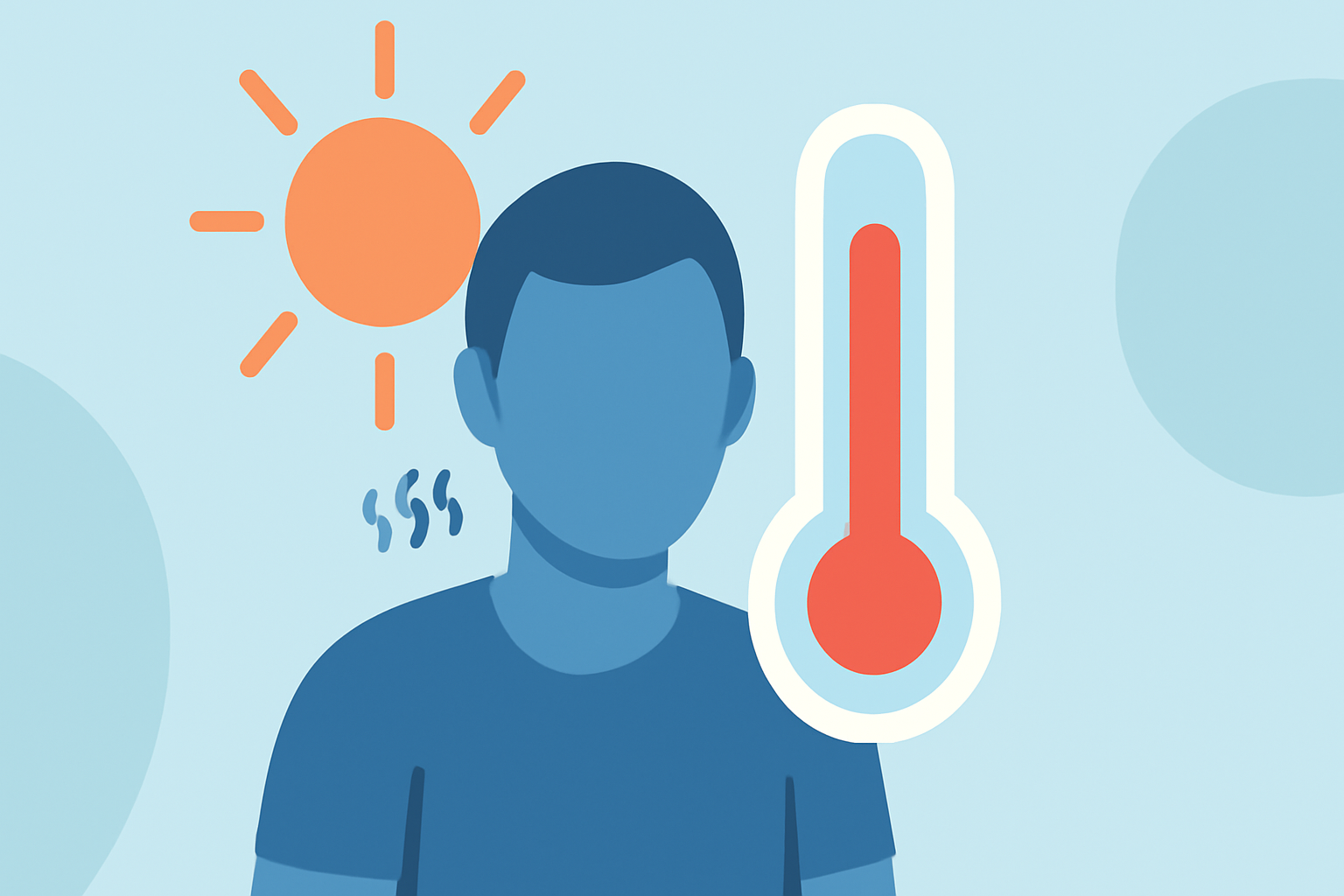
As temperatures rise across the United States, it's crucial to understand how to protect yourself during heat waves. Extreme heat is the leading cause of weather-related deaths in the U.S., surpassing even hurricanes and tornadoes. (weather.com)
What Are Heat Waves?
A heat wave is a prolonged period of excessively hot weather, typically lasting two or more days, with temperatures significantly above the historical average for a region. These conditions can lead to serious health risks, including dehydration, heat exhaustion, and heat stroke. (weather.com)
How Can I Stay Safe During a Heat Wave?
-
Stay Hydrated: Drink water regularly, even if you don't feel thirsty. Avoid sugary, caffeinated, and alcoholic beverages, as they can contribute to dehydration. (redcross.org)
-
Stay Cool: Spend time in air-conditioned environments whenever possible. If your home lacks air conditioning, consider visiting public places like malls, libraries, or cooling centers. (redcross.org)
-
Dress Appropriately: Wear lightweight, loose-fitting, and light-colored clothing to reflect heat. A wide-brimmed hat can also provide shade and protect your face and head. (police.siu.edu)
-
Limit Outdoor Activities: Avoid strenuous work or exercise during the hottest parts of the day, typically between 10 a.m. and 4 p.m. If you must be outside, take frequent breaks in the shade or a cool area. (almanac.com)
-
Use Cooling Methods: Apply cool, damp cloths to your neck, wrists, or forehead to help lower your body temperature. Taking cool showers or baths can also be effective. (redcross.org)
-
Check on Vulnerable Individuals: Regularly check on family members, friends, and neighbors, especially those who are elderly, have chronic health conditions, or lack air conditioning. They may be more susceptible to heat-related illnesses. (redcross.org)
What Are the Signs of Heat-Related Illnesses?
Recognizing the symptoms of heat-related illnesses is vital for prompt treatment:
-
Heat Exhaustion: Heavy sweating, weakness, dizziness, nausea, and fainting. Move to a cool place, drink water, and rest. (redcross.org)
-
Heat Stroke: High body temperature, confusion, rapid heartbeat, and unconsciousness. This is a medical emergency; call 911 immediately. (redcross.org)
How Can I Prepare My Home for Extreme Heat?
-
Maintain Cooling Systems: Ensure your air conditioning units are clean and functioning properly. If you don't have air conditioning, use fans and keep windows open during cooler parts of the day. (epa.gov)
-
Use Window Treatments: Close curtains or blinds during the day to block out heat from the sun. Reflective window films can also help reduce heat gain. (epa.gov)
What Should I Do if I Don't Have Air Conditioning?
-
Seek Public Cooling Centers: Many communities offer cooling centers during heat waves. Check local resources for locations and hours. (redcross.org)
-
Stay Hydrated and Rested: Drink plenty of water and avoid strenuous activities. Use fans to circulate air and consider placing a bowl of ice in front of the fan for added cooling. (almanac.com)
How Does Clime Help in Heat Wave Safety?
Clime offers real-time weather updates and alerts, helping you stay informed about heat waves and other extreme weather events. By providing accurate forecasts and timely notifications, Clime enables you to take proactive measures to protect yourself and your loved ones during extreme heat conditions.
Conclusion
Heat waves pose significant health risks, but with proper preparation and awareness, you can stay safe. Stay hydrated, keep cool, and stay informed to protect yourself during extreme heat events.
Highlights:
- Extreme Heat Can Be Deadly ─ Follow these Tips to Help You Stay Safe, Published on Tuesday, June 16
- Record Heat Continues Across U.S.; Follow these Steps to Help You Stay Safe, Published on Wednesday, March 25
- Extreme Heat Safety | News | American Red Cross, Published on Monday, June 15