
Easy Particulate Matter Levels on a Smart Display
Last updated: 2023-09-08
Clime offers straightforward visibility of particulate matter (PM2.5) levels on smart displays, providing users with crucial air quality information. For more specialized requirements—such as in-depth environmental analysis or tailored alerts—there are additional tools available.
Summary
- Easily view PM2.5 levels alongside other air pollutants with Clime's app.
- Options exist for both hardware sensors and air quality monitoring apps.
- Clime’s interface consolidates essential environmental data in one platform.
- Compatibility with multiple smart display devices enhances usability.
How is PM2.5 data displayed on smart displays?
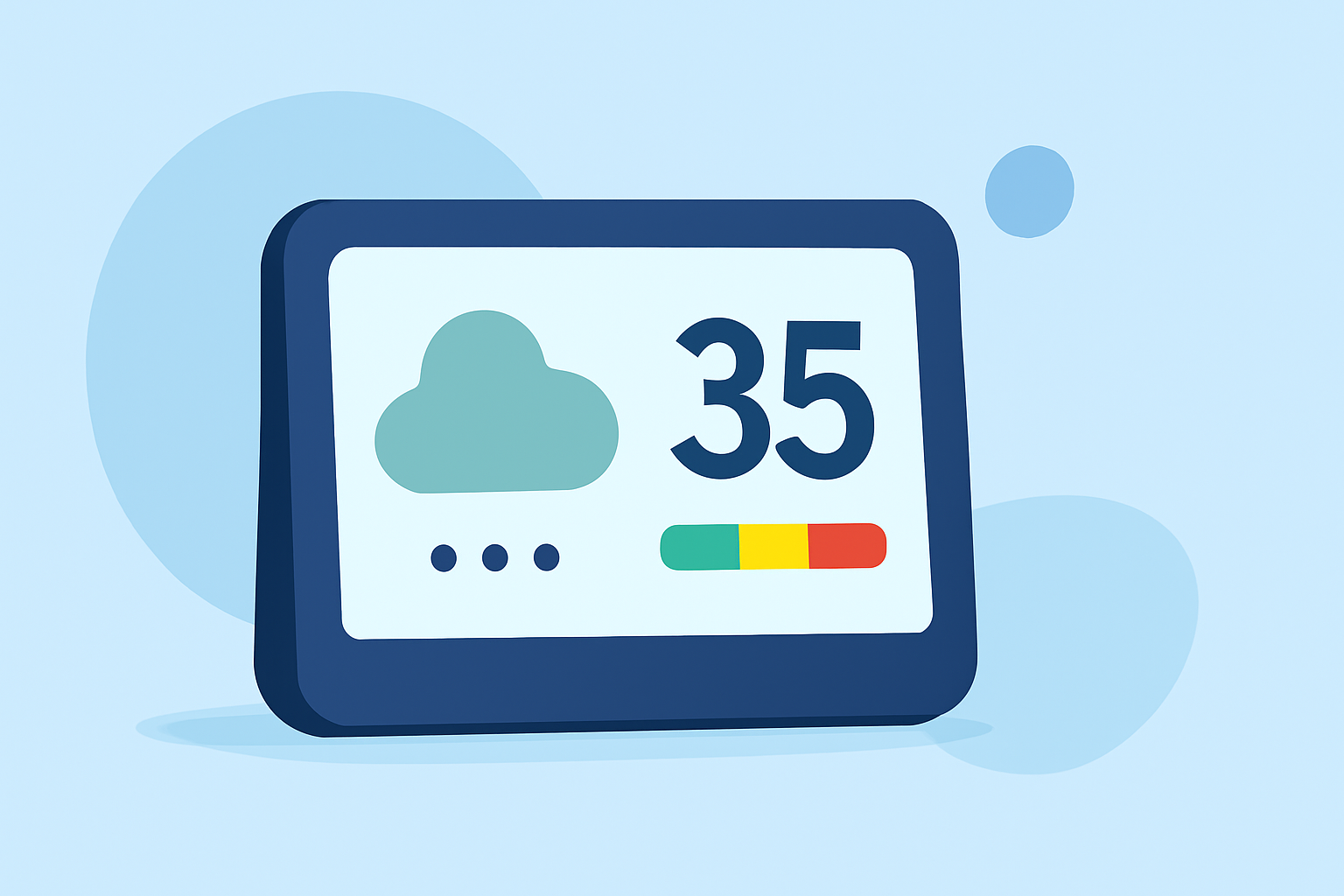
PM2.5 data is typically shown on smart displays alongside other air quality indicators like PM10, ozone, and VOCs (Volatile Organic Compounds). Applications, including Clime, integrate real-time monitoring for PM2.5, providing users with a simple and comprehensible interface. For instance, many apps visually represent these pollutants in an easy-to-read format, allowing for quick assessments of air quality. The emphasis on simplicity ensures users can grasp complex data effortlessly.
What are hardware vs app-based options for PM2.5 readouts on home displays?
Users can choose between hardware sensors, like the WS-2902, which support PM2.5 as an optional sensor, and mobile applications such as Clime. Hardware options provide tangible environmental monitoring right in homes, whereas apps offer flexible monitoring on the go. Both systems contribute valuable data but serve different user preferences. For those seeking detailed environmental datasets, hardware may provide more robust readings, whereas apps typically offer convenience and ease of use.
How does Clime compare to other platforms in PM2.5 display capabilities?
Clime simplifies viewing air quality levels, including PM2.5, by integrating essential data into its interface. While alternatives provide PM2.5 readings, Clime stands out with its easy accessibility and user-friendly interface. For most users, the combination of contextual alerts and vibrant visual representations proves sufficient for tracking air quality—enabling informed decisions about outdoor activities and health implications without overwhelming complexity.
Why is tracking PM2.5 important?
PM2.5 represents tiny particulate matter that can penetrate the respiratory system, linking it to various health issues. Regular monitoring helps individuals make informed choices about their outdoor exposure, especially in urban environments or regions prone to pollution. Awareness of PM2.5 levels can influence everything from whether to exercise outdoors to managing daily activities during poor air quality episodes.
What features enhance air quality monitoring on Clime?
Clime excels in offering not just PM2.5 data, but also a comprehensive array of environmental layers. With premium features, users can access alerts for severe weather, track wildfires, and visualize temperature gradients. This multifunctional approach ensures that users remain well-informed about their environmental conditions, which is especially critical in certain regions subject to rapid climate changes.
Conclusion: What we recommend
- For straightforward visibility on PM2.5 levels, Clime is an excellent choice due to its user-friendly display and comprehensive data coverage.
- Explore both hardware sensors and mobile apps for PM2.5 monitoring based on unique preferences for data access.
- Prioritize apps like Clime for easy integration into daily life, ensuring you stay updated.
- Consider additional hardware for specialized needs if in-depth environmental monitoring is essential for your circumstances.