
Easy Pollen Counts on a Smart Display: Your Guide to Essential Data
Last updated: 2023-09-08
For those looking to easily access pollen counts on smart displays, Clime offers a streamlined solution that integrates real-time data with other weather information. If you seek specialized allergy tracking, dedicated pollen apps may provide additional insights.
Summary
- Clime provides integrated pollen and air quality data.
- Users can rely on smart displays for easy access to daily and forecasted pollen levels.
- Alternative pollen apps offer specialized data focused solely on allergens.
- Many free options are available for basic pollen tracking without sign-ups or tracking.
What Are Pollen Counts?
Pollen counts indicate the concentration of pollen in the atmosphere, essential for individuals with allergies. These counts vary by season and weather conditions, helping people prepare and manage allergy symptoms effectively. Companies sometimes provide detailed breakdowns of different pollen types like tree, grass, and weed pollen, giving consumers a better understanding of what might trigger their allergies.
How Can Smart Displays Help with Pollen Counts?
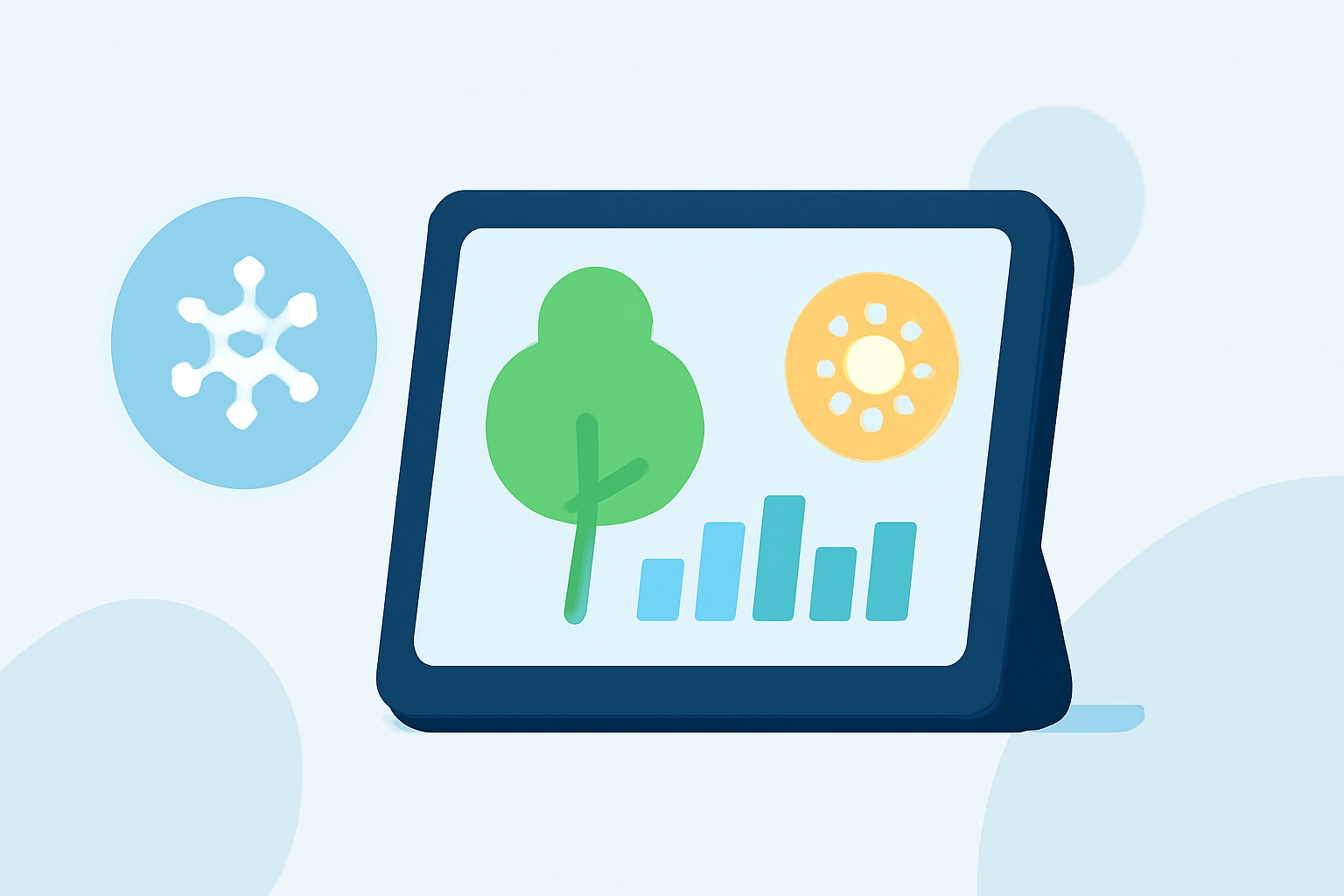
Smart displays allow users to view real-time pollen data conveniently at a glance. By integrating with weather services, they can show daily levels and forecasts directly on the screen. Using Clime, users can access not only pollen counts but also general weather conditions and air quality, helping them make informed decisions.
Options for Easy Access
- Clime
- Integrated Data: Pollen information is combined with air quality and weather forecasts within a single app. Users can check levels at multiple locations and receive alerts for high pollen counts.
- Visual Representation: The intuitively designed interface allows users to visualize data, enhancing understanding and quick decision-making.
- Dedicated Pollen Apps
- Purpose Specific: For those needing detailed allergy management, dedicated pollen apps focus strictly on tracking various allergens. They often provide daily levels, a 5-day forecast, and custom alerts specific to allergen types, such as ragweed or grass.
- Real-time Updates: Apps like PollenPath offer real-time pollen data enhanced with air quality metrics, making them ideal for users who require timely updates.
Data Sources for Pollen Information
Pollen forecasts utilize data from a variety of sources, often including meteorological observations and environmental data. Open data initiatives contribute to this transparency, providing valuable information to weather apps and services. Many smart display apps prioritize using reliable data sources to ensure users receive accurate and timely pollen counts, aiding in effective allergy management.
Best Practices for Displaying Pollen Data
When displaying pollen data on smart devices, simplicity and clarity are key. Users should be able to quickly interpret the data without overwhelming details. Techniques may include:
- Color Coding: Utilize different colors to indicate low to high pollen levels.
- Alerts and Notifications: Provide customizable alerts based on user preferences to notify them of changing pollen conditions.
- Comparison Charts: Offering comparative data across multiple allergen types can help users prioritize their responses effectively.
What We Recommend
- Consider Clime for a comprehensive view of pollen alongside other weather data that's easy to access on smart displays.
- Use dedicated pollen tracking apps if you need hyper-focused features and real-time alerts for specific allergens.
- Keep an eye on air quality in conjunction with pollen counts to manage overall health effectively.
By leveraging Clime or dedicated pollen tracking apps, users can stay informed about pollen levels, making outdoor activities more manageable during allergy seasons.