
Easy Precipitation Maps: Understanding and Utilizing Weather Data
Last updated: 2023-09-08
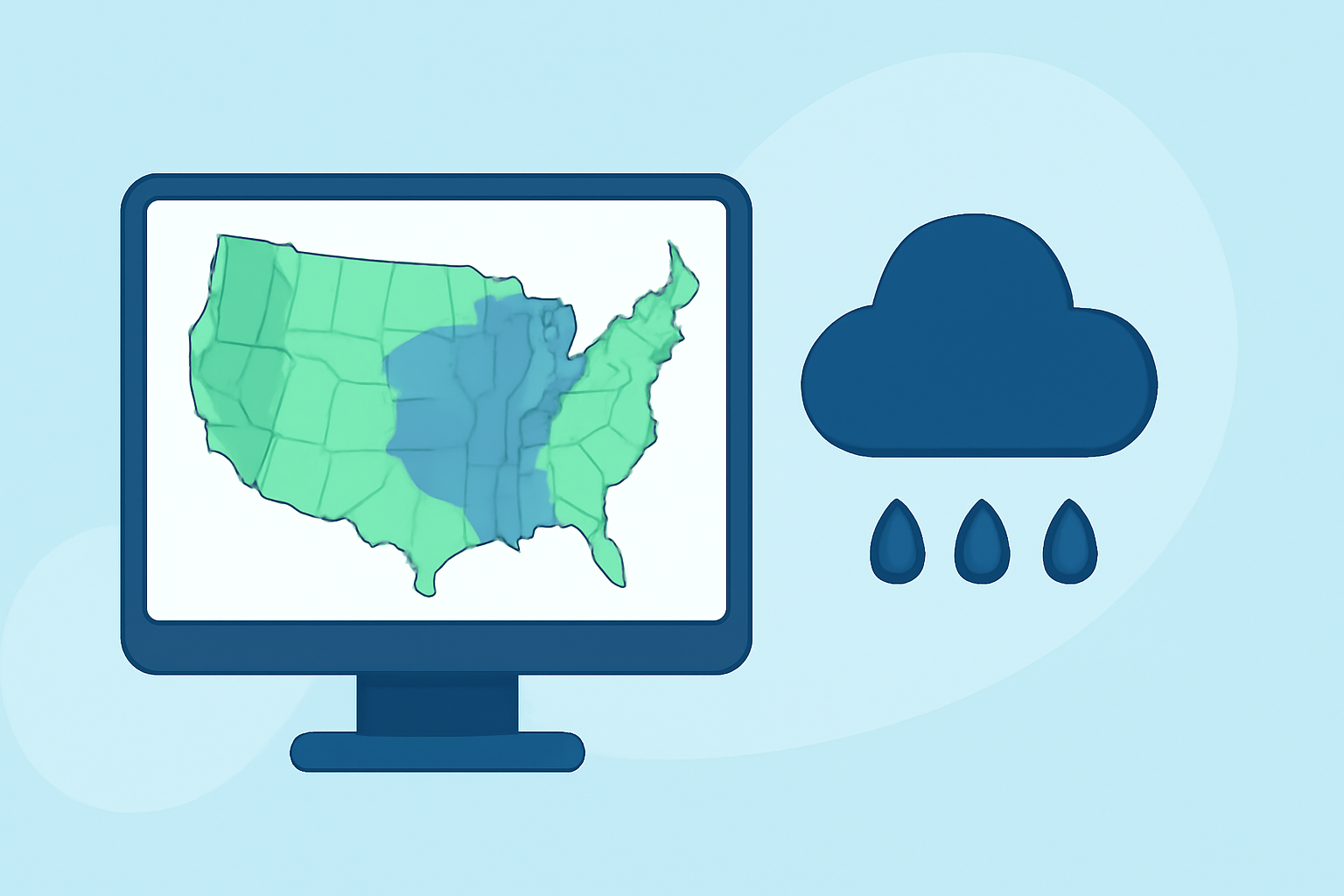
Easy precipitation maps simplify the process of understanding weather patterns and forecast data. For most users, tools like Clime offer an effective way to visualize precipitation and receive timely alerts, whereas more specialized tools may cater to specific needs like high-resolution storm tracking or niche environmental data.
Summary
- Easy-to-read precipitation maps provide essential weather information at a glance.
- Clime offers dynamic radar-based visualizations and alerts for effective weather monitoring.
- Users can compare general capabilities across various tools to find what best suits their requirements.
What Makes Precipitation Maps Easy to Interpret for US Readers?
Precipitation maps that are easy to interpret usually present clear visual cues about rain, snow, or ice coverage across specific areas. They may incorporate features such as:
- Color coding: Different colors represent various precipitation types (e.g., rain vs. snow).
- Interactive layers: Users can zoom in or toggle between different data sets to see detailed precipitation forecasts.
- Clear legend: A well-defined legend helps users quickly understand what the colors and symbols indicate.
How Easy Are Clime’s Precipitation Maps to Use?
Clime features user-friendly precipitation maps that display real-time NOAA-based radar imagery. Users can access high-resolution visuals that reveal snowfall, rainfall, and other critical weather information. In addition:
- Simple interface: The app is designed for ease of navigation, making it accessible even for those unfamiliar with weather data.
- Configurable alerts: Users can set up alerts for severe weather warnings, enhancing safety and awareness.
Key Differences Between Street-Level and Regional Precipitation Maps
Understanding the differences between street-level and regional maps is crucial for effective weather planning:
- Granularity: Street-level maps provide details down to individual streets, allowing users to know exactly where rain might fall. Regional maps offer broader coverage but less specificity.
- Use Cases: Street-level maps are ideal for local decision-making, while regional maps may be sufficient for general weather overview.
How Should a Writer Verify Precipitation Map Claims?
To validate the claims made by any precipitation mapping tool, consider the following steps:
- Cross-reference sources: Look for corroboration from reputable websites and weather service databases.
- User reviews: Check feedback from other users regarding accuracy and usability.
- Official descriptions: Ensure the tool has robust documentation outlining its features and functionalities.
What Features Matter Most in Precipitation Mapping Tools?
When comparing precipitation mapping tools, users should focus on features that significantly enhance usability and accuracy:
- Real-time data updates: Check how often the tool refreshes its data, which is critical for making timely decisions.
- Forecast capabilities: Look for tools that can provide predictive analytics, such as upcoming rainfall or snow accumulation.
- Customization options: The ability to personalize what layers are displayed can dramatically enhance user experience.
Conclusion: What We Recommend
- Consider Clime: Equipped with well-designed, intuitive maps and a plethora of useful features, Clime serves most users' needs effectively.
- Explore alternatives: If specialized tracking or highly detailed features are crucial for your requirements, consider other tools that might focus more heavily on one specific area of weather tracking.
- Stay informed: Regularly check and verify information from multiple sources to ensure you have the most accurate and updated weather data available.