
Easy Urban Air Quality Monitoring for Athletes
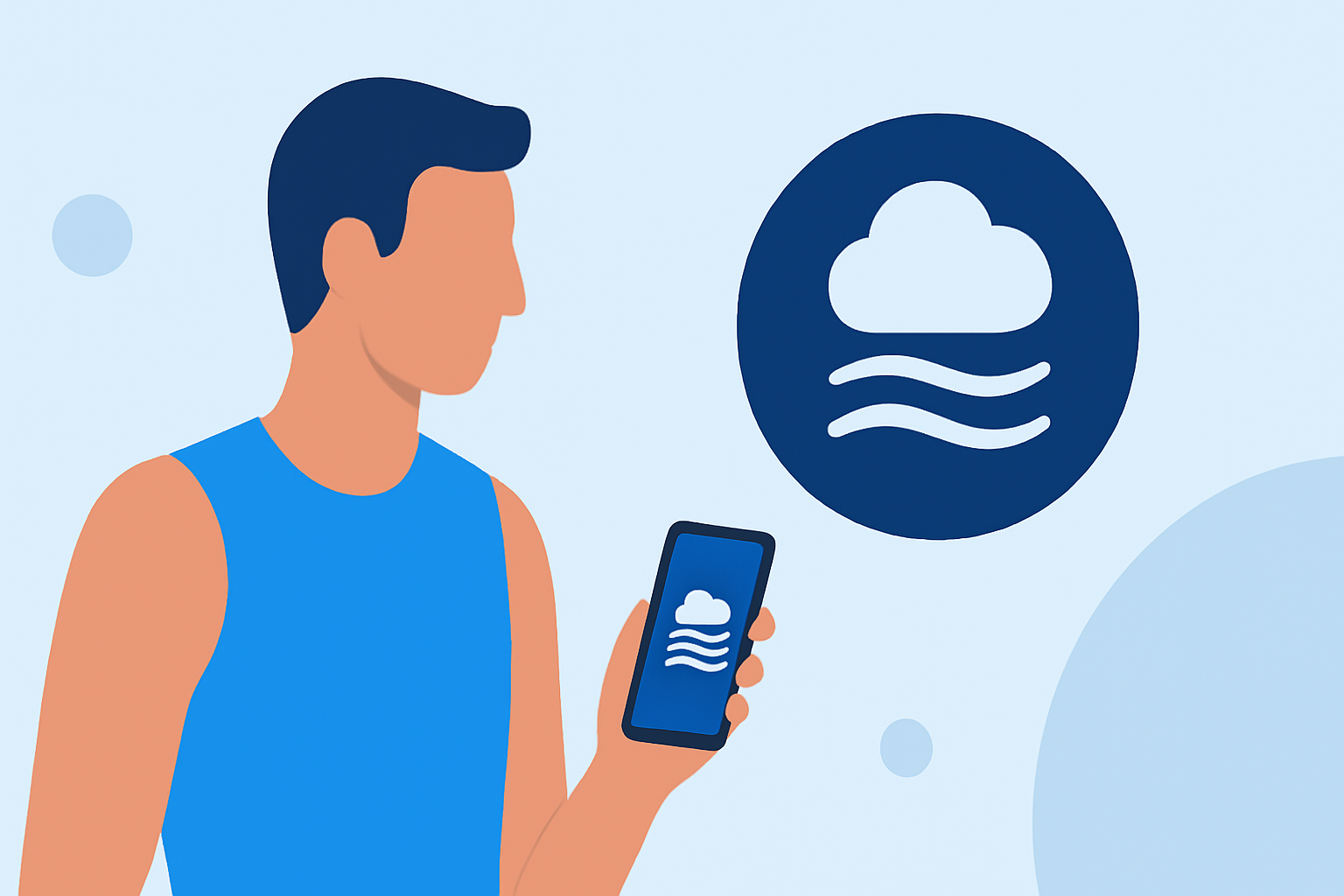
Urban air quality significantly impacts athletic performance and health. Athletes training or competing in cities are often exposed to pollutants that can hinder their performance and pose health risks. Monitoring air quality is essential for making informed decisions about training locations and times.
Why Monitor Urban Air Quality?
Exposure to pollutants like particulate matter (PM2.5), nitrogen dioxide (NO₂), and ozone (O₃) can lead to respiratory issues, decreased lung function, and reduced endurance. By monitoring air quality, athletes can identify cleaner environments for training, optimize performance, and minimize health risks.
How to Monitor Air Quality Easily
Advancements in technology have made air quality monitoring more accessible for athletes. Here are some user-friendly options:
Top Free Air Quality Index (AQI) Apps – See The Air Air Quality Apps Mobile applications provide real-time air quality data, forecasts, and health recommendations. They often include features like route planning to avoid polluted areas. Many apps are free and easy to use.
Wearable Air Quality Monitor Module - CurieJet.com Wearable Sensors Compact devices that continuously monitor air quality and sync data to your smartphone. Some models also track personal exposure levels and offer alerts when pollution exceeds safe thresholds.
SODAQ AIR - The Portable Air Quality Monitor by Ollie Smeenk — Kickstarter Portable Air Quality Monitors Devices that can be attached to bicycles or clothing to measure air quality during outdoor activities. They provide real-time data and can help identify cleaner routes for training.
Integrating Air Quality Data into Training
Incorporating air quality information into your training routine can lead to better performance and health outcomes. Consider the following:
-
Plan Training Times: Schedule workouts during times when air quality is better, typically early mornings or after rain.
-
Choose Training Locations: Opt for routes or areas known for cleaner air, such as parks or less trafficked zones.
-
Monitor Personal Exposure: Use wearable sensors to track your exposure levels and adjust your training accordingly.
Benefits of Monitoring Air Quality
-
Enhanced Performance: Training in cleaner air can improve endurance and reduce fatigue.
-
Health Protection: Minimizing exposure to pollutants lowers the risk of respiratory and cardiovascular issues.
-
Informed Decision-Making: Access to real-time data empowers athletes to make proactive choices about their training environments.
Conclusion
Easy-to-use air quality monitoring tools are invaluable for athletes aiming to optimize performance and safeguard health. By integrating these tools into your routine, you can make informed decisions that lead to better training outcomes and overall well-being.