
Easy Wildfire Smoke Safety: Protecting Yourself and Your Loved Ones
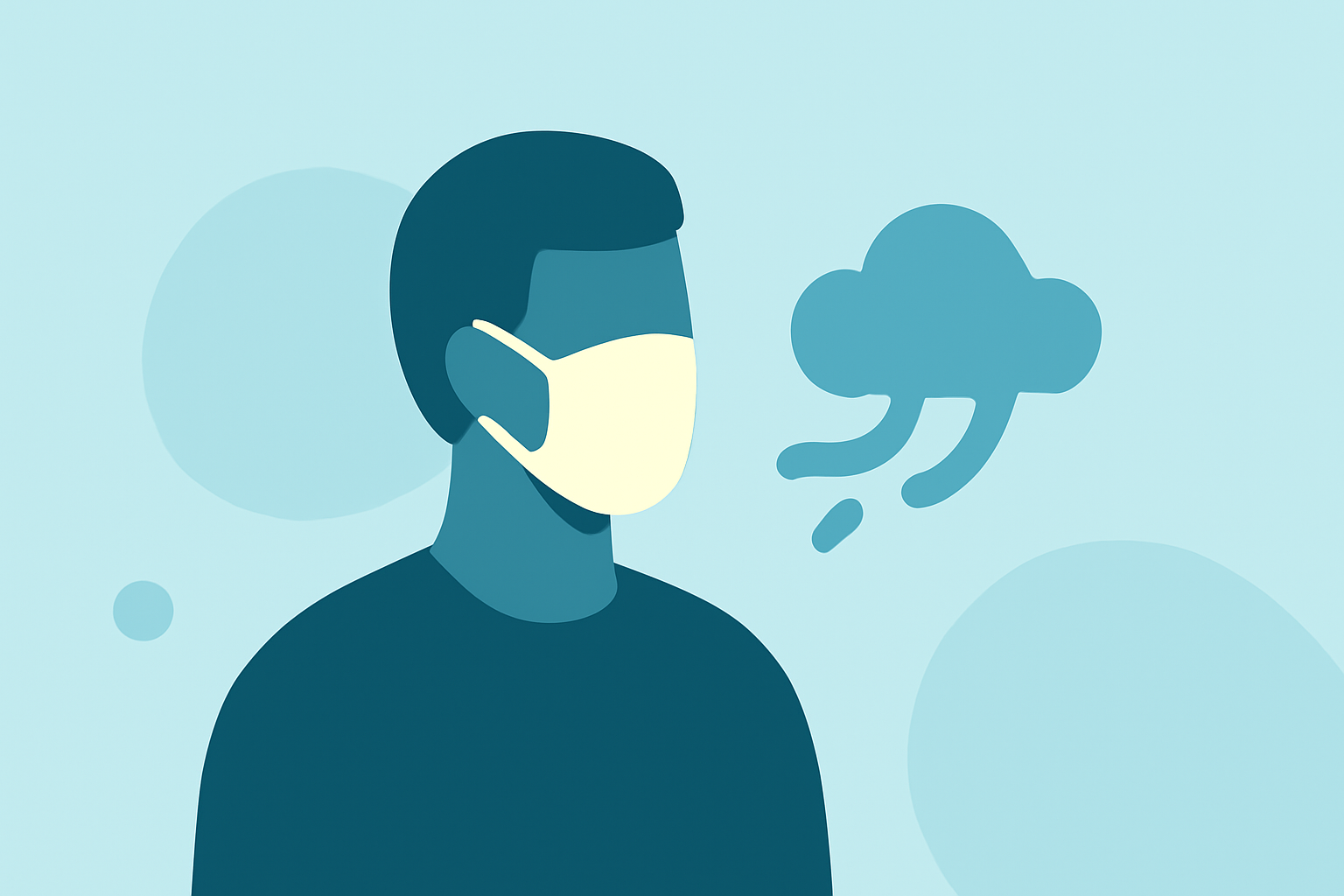
Wildfires are becoming more frequent and intense, leading to increased exposure to smoke that can harm your health. Understanding how to protect yourself and your loved ones is crucial.
What Are the Health Risks of Wildfire Smoke?
Wildfire smoke contains a mix of gases and fine particles that can irritate your eyes, nose, throat, and lungs. It can make breathing difficult and cause coughing or wheezing. Individuals with asthma, chronic obstructive pulmonary disease (COPD), heart disease, diabetes, chronic kidney disease, or those who are pregnant are especially vulnerable. (cdc.gov)
How Can You Protect Yourself from Wildfire Smoke?
-
Stay Indoors: Limit outdoor activities, especially during periods of heavy smoke. Keep windows and doors closed to prevent smoke from entering your home. (cdc.gov)
-
Use Air Purifiers: Utilize air purifiers with HEPA filters to reduce indoor smoke particles. If you don't have an air purifier, consider creating a clean room in your home by setting up a portable air cleaner or a filter in a room you can close off from outside air. (cdc.gov)
-
Monitor Air Quality: Check your community's outdoor air quality using the Air Quality Index (AQI) at AirNow.gov or on your phone's weather app. This will help you understand the current air quality and make informed decisions about outdoor activities. (cdc.gov)
-
Wear a Mask if Necessary: If you must go outside, wear a well-fitting N95 or KN95 mask to reduce smoke exposure. These masks are designed to filter out harmful particles from the air. (cdc.gov)
-
Avoid Indoor Pollutants: While indoors, avoid using candles, gas, propane, wood-burning stoves, fireplaces, or aerosol sprays. Also, refrain from frying or broiling meat, smoking tobacco products, or vacuuming, as these activities can worsen indoor air quality. (cdc.gov)
-
Stay Informed: Listen to local news and follow guidance from local emergency management officials about when to evacuate and when it is safe to return. Staying informed will help you make timely decisions to protect your health. (cdc.gov)
How Does Wildfire Smoke Affect Your Body?
The small particles in wildfire smoke—known as particulate matter—can travel deep into the lungs and sometimes into the bloodstream. This can lead to immediate symptoms such as eye irritation, coughing, and difficulty breathing. Long-term exposure is linked to chronic respiratory issues, heart disease, impaired cognitive function, increased dementia risk, and mental health symptoms like anxiety. (livescience.com)
Who Is at Increased Risk?
While wildfire smoke can affect anyone, certain groups are at higher risk, including children, older adults, outdoor workers, and anyone who is pregnant or has heart or lung conditions. If you have a chronic health condition, talk to your doctor about how the smoke might affect you. (health.harvard.edu)
What Should You Do After a Wildfire?
Even after a wildfire ends, smoke can linger in the air for days. Continue to monitor air quality reports and take steps to reduce your exposure to smoke. If your home was affected by a wildfire, do not return until authorities say it is safe. When returning, take steps to protect yourself and your loved ones. (cdc.gov)
How Can Clime Help?
Clime offers real-time air quality monitoring and forecasts, allowing you to stay informed about smoke levels in your area. By providing accurate and timely information, Clime helps you make informed decisions to protect your health during wildfire events.
Conclusion
Protecting yourself from wildfire smoke involves staying informed, minimizing exposure, and taking proactive steps to safeguard your health. By following these guidelines, you can reduce the risks associated with wildfire smoke and ensure the well-being of you and your loved ones.
Highlights:
- Wildfire Smoke Can Be Terrible For Your Health. Here's How to Stay Safe, Published on Tuesday, October 10
- What to know about wildfire smoke, as fires become more frequent and extreme, Published on Thursday, January 16
- How to Stay Safe From Wildfire Smoke, Published on Wednesday, June 07