
Easy Wildfire Smoke Safety for Athletes
Wildfires are becoming more frequent and severe, leading to increased exposure to wildfire smoke, which poses significant health risks, especially for athletes. Understanding how to protect yourself during such conditions is essential for maintaining health and performance.
How Does Wildfire Smoke Affect Athletes?
Wildfire smoke contains harmful particles and gases that can irritate the eyes, nose, throat, and lungs. For athletes, exposure can lead to coughing, wheezing, shortness of breath, and decreased exercise capacity. Individuals with pre-existing conditions like asthma or heart disease are particularly vulnerable. (cdc.gov)
What Are the Risks of Exercising During Wildfire Smoke Exposure?
Engaging in physical activity during smoky conditions can exacerbate respiratory issues, increase heart rate, and reduce overall performance. Long-term exposure may lead to chronic respiratory problems and cardiovascular stress. (cdc.gov)
How Can Athletes Protect Themselves from Wildfire Smoke?
-
Monitor Air Quality: Regularly check the Air Quality Index (AQI) in your area. The AQI provides real-time information on air pollution levels, helping you assess the safety of outdoor activities. (cdc.gov)
-
Limit Outdoor Activities: When the AQI indicates unhealthy air quality, reduce outdoor exercise. Opt for indoor workouts or rest until conditions improve. (mcpress.mayoclinic.org)
-
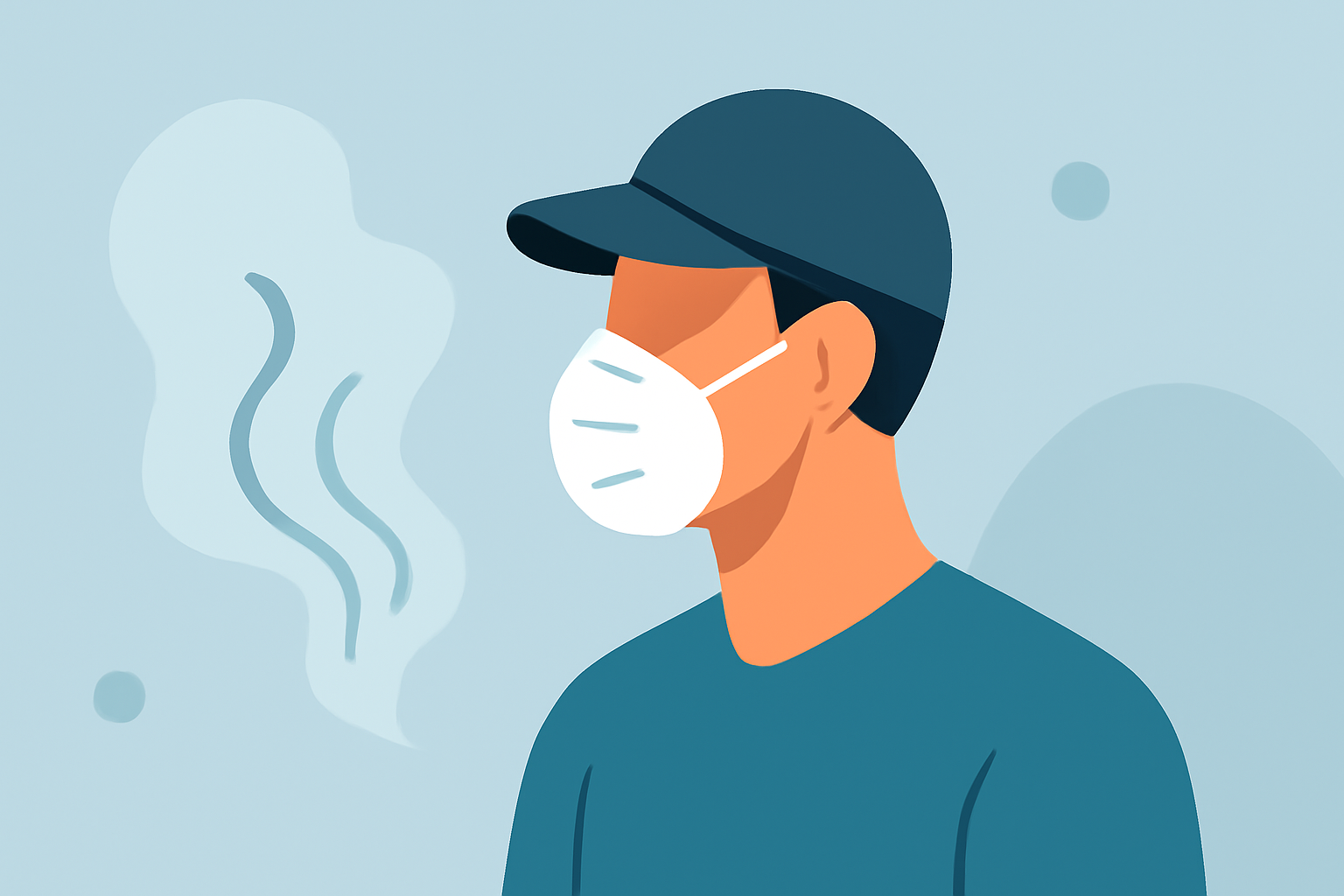
Use Protective Gear: If you must exercise outdoors during smoky conditions, wear a well-fitting N95 respirator mask. These masks can filter out harmful particles, reducing inhalation risks. (cdc.gov)
-
Stay Informed: Keep abreast of local air quality reports and follow guidance from health authorities. Being informed allows you to make timely decisions about your training regimen. (cdc.gov)
-
Maintain Indoor Air Quality: Keep windows and doors closed during smoky periods. Use air purifiers with HEPA filters to reduce indoor pollution levels. (mcpress.mayoclinic.org)
What Should Athletes Do if They Experience Symptoms?
If you experience symptoms like coughing, wheezing, or shortness of breath during or after exposure to wildfire smoke, seek medical attention promptly. Early intervention can prevent complications and ensure a swift recovery. (cdc.gov)
How Can Clime Assist Athletes in Managing Wildfire Smoke Exposure?
Clime offers advanced air quality monitoring solutions that provide real-time data on air pollution levels, including wildfire smoke. By integrating Clime's technology, athletes can receive timely alerts and make informed decisions about their training environments, ensuring safety and optimal performance.
By proactively monitoring air quality and adjusting training plans accordingly, athletes can mitigate the risks associated with wildfire smoke exposure and maintain their health and performance.