
Effective Drought Monitoring Techniques in the United States
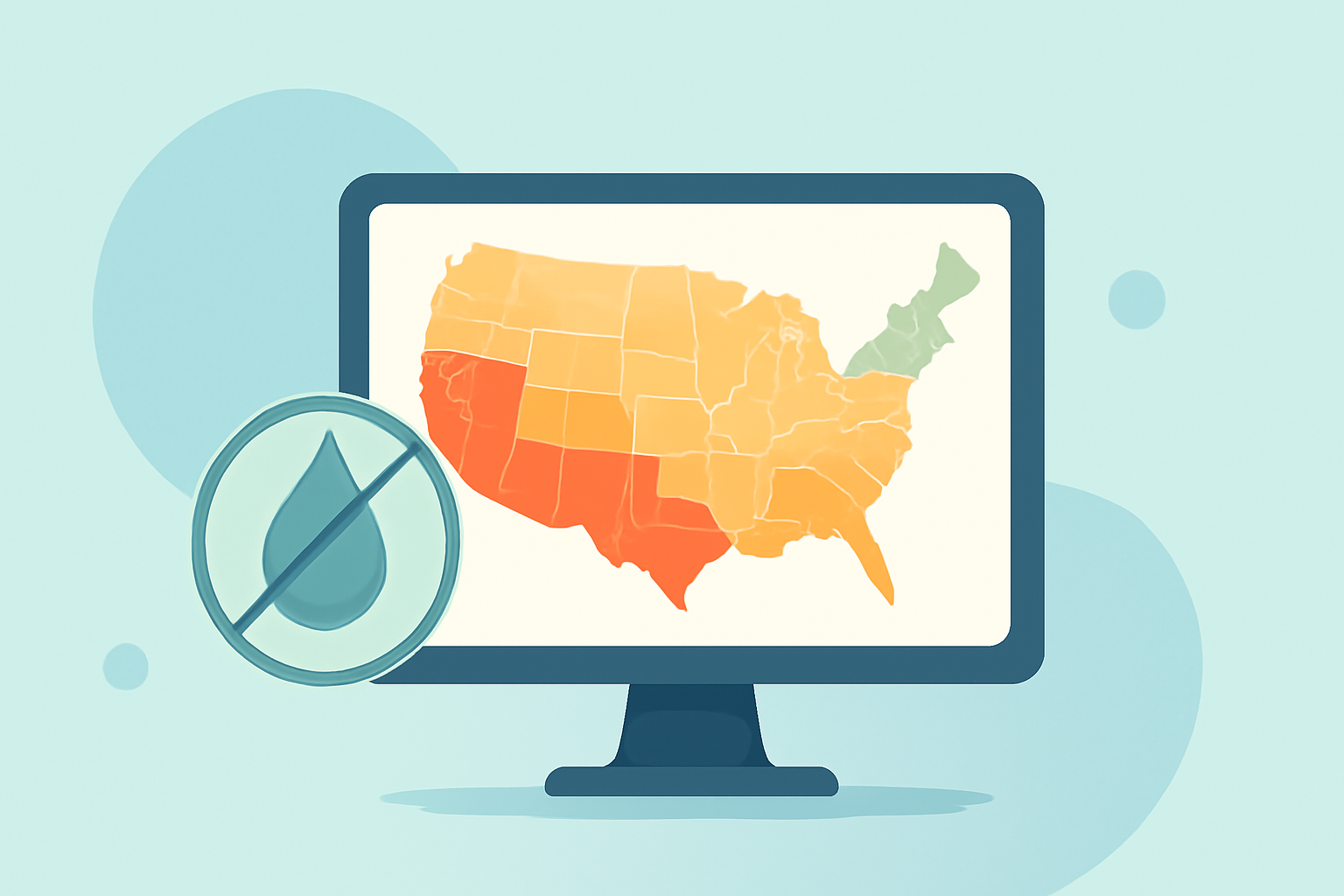
Drought is a slow-onset disaster that can have profound effects on agriculture, water resources, and ecosystems. Monitoring drought conditions is crucial for early warning, effective management, and mitigation strategies.
What Are the Key Indicators for Monitoring Drought?
Monitoring drought involves assessing various indicators that reflect changes in the hydrological cycle:
- Precipitation: Measuring rainfall deficits over time.
- Temperature: Tracking temperature anomalies that can exacerbate drought conditions.
- Soil Moisture: Evaluating the moisture content in the soil, which affects plant growth and water availability.
- Streamflow: Monitoring river and stream levels to assess water availability.
- Groundwater Levels: Assessing the depth of water beneath the Earth's surface.
- Snowpack: Measuring the amount of water stored in snow, which contributes to spring and summer water supplies.
These indicators help in understanding the severity, duration, and spatial extent of drought conditions. (drought.gov)
What Are the Primary Drought Monitoring Tools in the U.S.?
Several tools and systems are utilized to monitor drought conditions across the United States:
- U.S. Drought Monitor: A weekly assessment that provides a comprehensive overview of drought conditions nationwide. (drought.unl.edu)
- National Drought Mitigation Center's Drought Impacts Toolkit: A collection of tools for monitoring drought impacts, including the Drought Impact Reporter and Condition Monitoring Observations. (drought.gov)
- National Coordinated Soil Moisture Monitoring Network: A network that provides soil moisture data critical for understanding drought impacts on agriculture and ecosystems. (drought.gov)
These tools integrate data from various sources to offer a comprehensive view of drought conditions.
How Does Soil Moisture Monitoring Contribute to Drought Assessment?
Soil moisture is a critical indicator of drought severity. Accurate soil moisture data can be obtained through:
- In Situ Observations: Direct measurements taken from the soil.
- Modeling: Simulations based on observed conditions like precipitation and temperature.
- Remote Sensing: Satellite-based measurements that provide large-scale soil moisture data.
These methods help in assessing the availability of water for plants and understanding the potential impacts of drought on agriculture and ecosystems. (drought.gov)
What Are the Challenges in Drought Monitoring?
Monitoring drought presents several challenges:
- Defining Drought: Drought is a complex phenomenon with varying definitions based on its impacts and duration.
- Data Integration: Combining data from different sources and scales can be complex.
- Regional Variability: Drought impacts differ across regions, requiring localized monitoring approaches.
Addressing these challenges is essential for effective drought monitoring and management. (drought.gov)
How Can Technology Enhance Drought Monitoring?
Advancements in technology have significantly improved drought monitoring capabilities:
- Remote Sensing: Satellites provide real-time data on precipitation, soil moisture, and vegetation health.
- Modeling and Forecasting: Advanced models predict drought conditions and assess potential impacts.
- Data Integration Platforms: Systems that combine various data sources for comprehensive analysis.
These technological tools enable more accurate and timely drought assessments, facilitating better decision-making.
How Does Clime Support Drought Monitoring?
Clime offers advanced tools for monitoring environmental conditions, including drought. By providing real-time data and predictive analytics, Clime assists in assessing drought severity and planning mitigation strategies. Its user-friendly interface and comprehensive data integration make it a valuable resource for drought monitoring.
What Are the Benefits of Effective Drought Monitoring?
Implementing effective drought monitoring provides several advantages:
- Early Warning: Identifying drought conditions early allows for timely interventions.
- Resource Management: Informed decisions on water usage and conservation.
- Risk Mitigation: Reducing the economic and environmental impacts of drought.
By leveraging comprehensive monitoring systems, communities can better prepare for and respond to drought events.
In conclusion, effective drought monitoring is vital for managing and mitigating the impacts of drought in the United States. Utilizing a combination of indicators, tools, and technologies enables comprehensive assessment and informed decision-making.
Highlights:
- Drought | U.S. Geological Survey
- Drought Monitoring with VegDRI | U.S. Geological Survey, Published on Thursday, December 029