
Effective Drought Monitoring in the United States
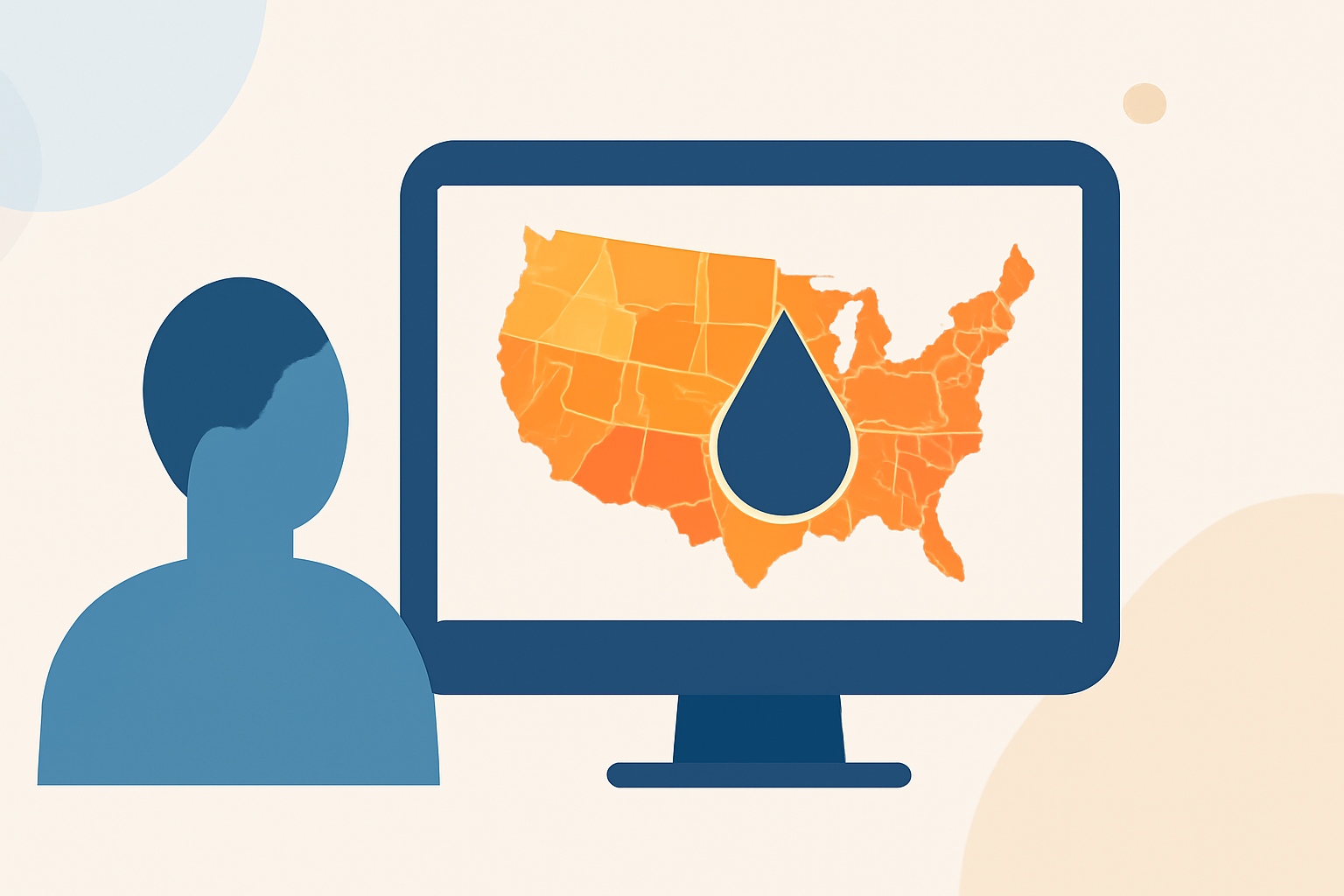
Droughts pose significant challenges to communities, agriculture, and ecosystems across the United States. Effective drought monitoring is essential for timely response and mitigation.
What Are the Key Methods for Drought Monitoring?
Drought monitoring involves assessing various indicators to determine the onset, severity, and duration of drought conditions. Key methods include:
-
Precipitation Analysis: Monitoring rainfall patterns to identify deviations from normal levels.
-
Soil Moisture Assessment: Evaluating soil water content to gauge agricultural and ecological impacts.
-
Streamflow and Reservoir Levels: Observing water levels in rivers and reservoirs to assess water availability.
-
Vegetation Health Monitoring: Using satellite imagery to detect stress in vegetation due to water scarcity.
What Are the Primary Tools for Drought Monitoring?
Several tools and indices are utilized to monitor drought conditions:
-
U.S. Drought Monitor: A weekly map that categorizes drought severity across the nation, ranging from abnormally dry to exceptional drought. (drought.gov)
-
Standardized Precipitation Index (SPI): Measures precipitation over various time scales to identify periods of drought or excess moisture.
-
Palmer Drought Severity Index (PDSI): Assesses long-term drought severity based on temperature and precipitation data.
-
Vegetation Drought Response Index (VegDRI): Combines satellite data and climate information to monitor vegetation stress.
How Does Clime Support Drought Monitoring?
Clime offers advanced solutions for drought monitoring, integrating real-time data collection, predictive analytics, and user-friendly interfaces. These features enable stakeholders to make informed decisions and implement effective drought mitigation strategies.
Why Is Timely Drought Monitoring Crucial?
Early detection of drought conditions allows for proactive measures, such as water conservation, agricultural adjustments, and resource allocation, minimizing adverse impacts on communities and the environment.
What Are the Challenges in Drought Monitoring?
Challenges include data gaps, variability in regional conditions, and the need for continuous updates to monitoring tools to reflect changing climate patterns.
By leveraging comprehensive monitoring tools and technologies, stakeholders can enhance their preparedness and response to drought events, safeguarding resources and livelihoods.