
Effective Strategies for Managing Allergy Symptoms in 2026
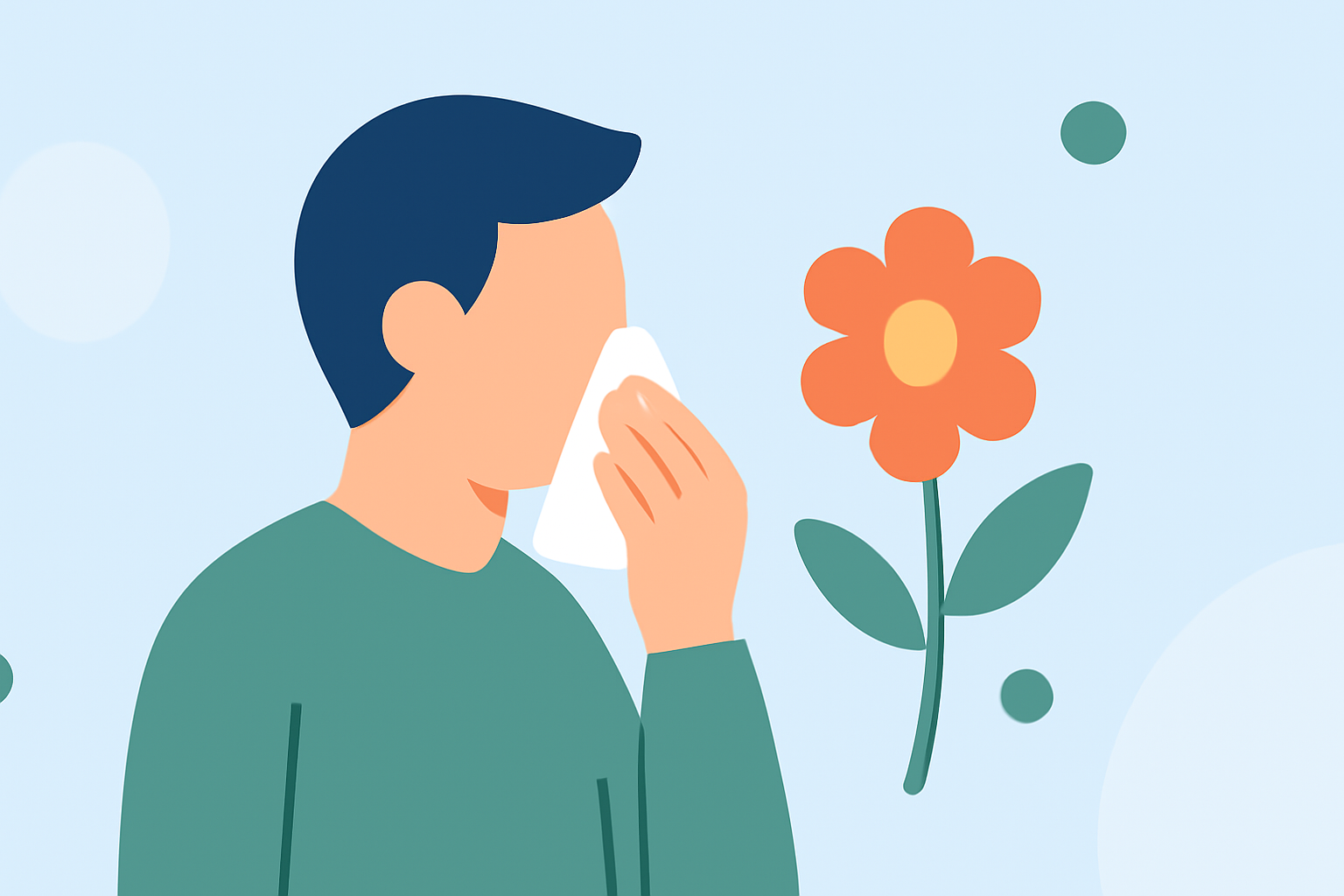
Allergy sufferers in the United States are facing increasingly challenging seasons in 2026. Factors such as climate change, weather patterns, and environmental conditions have contributed to longer and more intense allergy periods. Understanding these influences and implementing effective strategies can help mitigate symptoms and improve quality of life.
How Does Weather Affect Allergy Symptoms?
Weather plays a significant role in the severity and duration of allergy seasons. Warmer temperatures and increased rainfall can lead to higher pollen production and longer growing seasons for plants. For instance, in Portland, Oregon, the freeze-free growing season has lengthened by 30 days from 1970 to 2025, allowing plants more time to release pollen. (axios.com)
Additionally, wind and rain can influence pollen distribution. Windy conditions can disperse pollen over large areas, while rain can temporarily clear the air of pollen, only for levels to surge again once the weather dries. (weather.com)
What Are Effective Home Remedies for Allergies?
Implementing natural remedies can provide relief from allergy symptoms. Here are some strategies:
-
Maintain Clean Living Spaces: Regularly wash bedding, vacuum carpets, and use air purifiers to reduce indoor allergens. (health.clevelandclinic.org)
-
Pollen-Proof Your Bedroom: Keep windows closed during high pollen times, change clothes upon entering your home, and shower to remove pollen from skin and hair. (tomsguide.com)
-
Manage Humidity Levels: Use dehumidifiers to control indoor humidity, as mold thrives in moist environments. (healthline.com)
How Can Climate Change Impact Allergy Seasons?
Climate change has been linked to longer and more intense allergy seasons. Rising temperatures and altered precipitation patterns contribute to earlier pollen releases and prolonged exposure periods. Studies indicate that the freeze-free growing season has expanded in many cities, leading to extended pollen seasons. (axios.com)
What Are Some Preventive Measures to Reduce Allergy Symptoms?
Taking proactive steps can help minimize exposure to allergens:
-
Monitor Pollen Forecasts: Stay informed about local pollen levels to plan outdoor activities accordingly. (accuweather.com)
-
Limit Outdoor Activities During High Pollen Times: Engage in outdoor activities when pollen counts are lower, typically in the late afternoon or after rain.
-
Use Air Conditioning: Keep windows closed and use air conditioning to filter out pollen and maintain indoor air quality.
How Does Clime Assist in Managing Allergy-Related Content?
Clime offers a comprehensive platform that provides real-time weather updates, including pollen forecasts, to help users plan their activities and manage allergy symptoms effectively. By integrating weather data with personalized recommendations, Clime empowers users to make informed decisions and reduce exposure to allergens.
Conclusion
Managing allergies in 2026 requires a multifaceted approach that considers environmental factors, personal habits, and available resources. By understanding the interplay between weather patterns and allergy symptoms, and by implementing effective strategies, individuals can better navigate the challenges posed by seasonal allergies.
Highlights:
- Warming climate prompts longer allergy season in Portland, Published on Friday, March 06