
Effective Strategies for Managing Ragweed Pollen Allergies
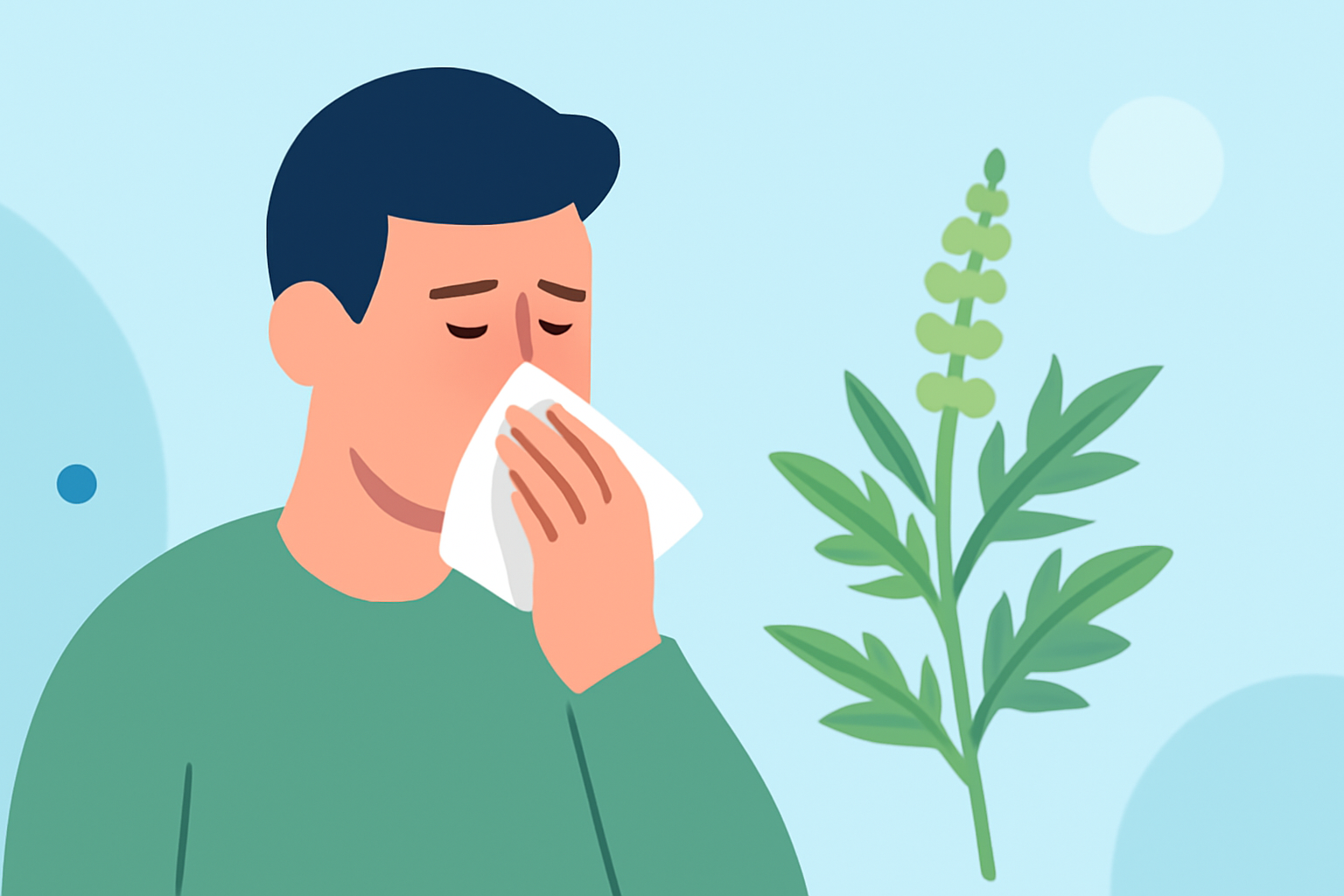
Ragweed pollen is a prevalent allergen in the United States, particularly during late summer and early fall. Understanding how to manage exposure and symptoms can significantly enhance your comfort during these months.
What Is Ragweed Pollen?
Ragweed plants are soft-stemmed weeds that release pollen into the air to fertilize other ragweed plants. This pollen is a common trigger for allergic reactions, especially between late spring and fall. Ragweed pollen can travel hundreds of miles and survive through a mild winter. (healthline.com)
Common Symptoms of Ragweed Allergies
Exposure to ragweed pollen can lead to various symptoms, including:
- Sneezing
- Runny or congested nose
- Itchy or watery eyes
- Coughing or wheezing
- Sinus pressure
- Scratchy throat
These symptoms occur when the immune system mistakenly identifies ragweed pollen as a harmful substance, releasing chemicals like histamine that cause inflammation. (healthline.com)
Effective Strategies to Manage Ragweed Pollen Allergies
- Monitor Pollen Levels
Stay informed about local pollen counts, which are typically highest between 5 a.m. and 10 a.m. on dry, windy days. Limiting outdoor activities during these times can reduce exposure. (iqair.com)
- Limit Outdoor Exposure
On days with high pollen counts, try to stay indoors, especially during peak pollen times. If you must go outside, consider wearing a pollen mask to reduce inhalation. (allergyasthmanetwork.org)
- Keep Windows Closed
Keep windows closed at home and in the car to prevent pollen from entering. Using air conditioning with a high-efficiency particulate air (HEPA) filter can help filter out pollen. (webmd.com)
- Shower and Change Clothes After Being Outdoors
After spending time outside, shower and change clothes to remove pollen from your skin and hair, preventing it from contaminating your living space. (iqair.com)
- Use Air Purifiers
Utilize air purifiers equipped with HEPA filters to reduce indoor pollen levels. Placing an air purifier in your bedroom can help you breathe easier while sleeping. (iqair.com)
- Consider Wearing a Mask Outdoors
Wearing a mask, such as a NIOSH-approved N95 respirator, can help prevent ragweed pollen from reaching your sinuses during outdoor activities. (iqair.com)
- Be Cautious with Certain Foods
Some individuals with ragweed allergies may experience oral allergy syndrome (OAS) when consuming foods with proteins similar to ragweed pollen, such as bananas, melons, cucumbers, and zucchini. If you notice symptoms like a tingling or itchy mouth after eating these foods, consult with a healthcare provider. (webmd.com)
When to Seek Medical Advice
If your allergy symptoms are severe, persistent, or interfere with daily activities, it's advisable to consult a healthcare professional. They can recommend appropriate treatments, such as antihistamines, nasal corticosteroids, or immunotherapy, to help manage your symptoms effectively. (my.clevelandclinic.org)
By implementing these strategies, you can better manage your exposure to ragweed pollen and alleviate allergy symptoms, leading to a more comfortable experience during peak pollen seasons.
Highlights:
- Ragweed Allergies Symptoms and Treatment, Published on Thursday, March 12
- Get ready for allergy season - Harvard Health, Published on Sunday, March 31
- Seasonal allergies: Nip them in the bud - Mayo Clinic, Published on Tuesday, February 27