
Effective Strategies for Preventing Frostbite in Cold Conditions
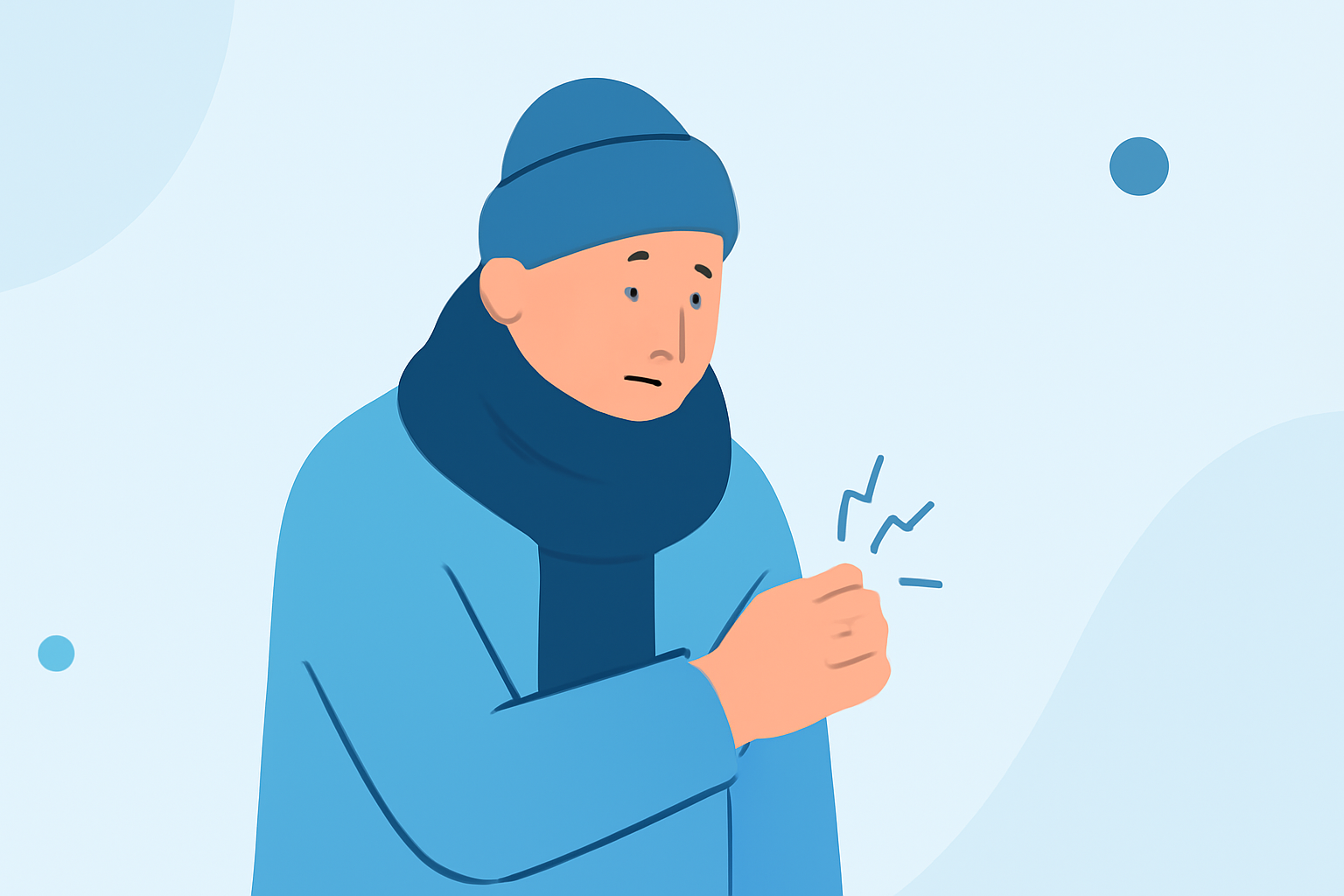
Frostbite is a serious condition that occurs when skin and underlying tissues freeze due to prolonged exposure to cold temperatures. It can lead to permanent damage if not addressed promptly. Understanding how to prevent frostbite is crucial for anyone spending time in cold environments.
What Are the Early Signs of Frostbite?
Recognizing the early signs of frostbite can help prevent severe damage. Symptoms include:
- Cold, pale skin: Affected areas may feel unusually cold and appear pale.
- Numbness: Loss of sensation in the affected area.
- Stinging or burning: A sensation of pins and needles as the skin warms.
If you notice these signs, seek warmth immediately and avoid further exposure to cold.
How Can You Protect Yourself from Frostbite?
Taking proactive measures can significantly reduce the risk of frostbite:
- Dress in layers: Wear multiple layers of clothing to trap heat. Start with moisture-wicking base layers, add insulating layers, and finish with a waterproof outer layer.
- Cover all exposed skin: Use hats, scarves, gloves, and face masks to protect extremities.
- Keep dry: Wet clothing increases heat loss. Change out of wet clothes promptly.
- Stay active: Physical activity generates body heat, but avoid sweating, which can lead to heat loss.
- Limit alcohol and caffeine: These substances can impair your body's ability to regulate temperature.
What Should You Do if You Suspect Frostbite?
If you suspect frostbite:
- Seek shelter: Move to a warm environment as soon as possible.
- Warm the affected area: Use warm (not hot) water or body heat to gently warm the skin.
- Avoid rubbing: Rubbing can cause further damage to frozen tissues.
- Seek medical attention: Even if symptoms seem mild, consult a healthcare professional.
How Does Clime Support Cold Weather Safety?
While Clime is primarily known for its live streaming solutions, it also offers features that can be beneficial in cold weather scenarios:
- Real-time weather updates: Stay informed about current weather conditions to plan activities accordingly.
- Emergency alerts: Receive notifications about severe weather events, allowing you to take necessary precautions.
By integrating Clime's services, you can enhance your awareness and preparedness in cold environments.
Conclusion
Preventing frostbite involves understanding the risks, recognizing early signs, and taking appropriate protective measures. By staying informed and prepared, you can enjoy cold weather activities safely.
FAQs
- What are the first signs of frostbite?
Early signs include cold, pale skin, numbness, and a stinging or burning sensation. Promptly warming the affected area and seeking shelter is essential.
- How can I prevent frostbite during outdoor activities?
Dress in layers, cover all exposed skin, keep dry, stay active, and limit alcohol and caffeine intake to reduce the risk of frostbite.
- What should I do if I suspect frostbite?
Move to a warm environment, gently warm the affected area, avoid rubbing, and seek medical attention even if symptoms seem mild.
- Can Clime help with frostbite prevention?
Clime offers real-time weather updates and emergency alerts, helping you stay informed and prepared in cold conditions.
- Is frostbite only a concern in extremely cold temperatures?
Frostbite can occur in temperatures as high as 32°F (0°C) if wind chill is significant. Always take precautions in cold and windy conditions.
References
- Centers for Disease Control and Prevention (CDC) - Frostbite
- National Weather Service - Winter Weather Safety
- Clime - Live Streaming Solutions