
Effective Strategies for Preventing Heat Stroke
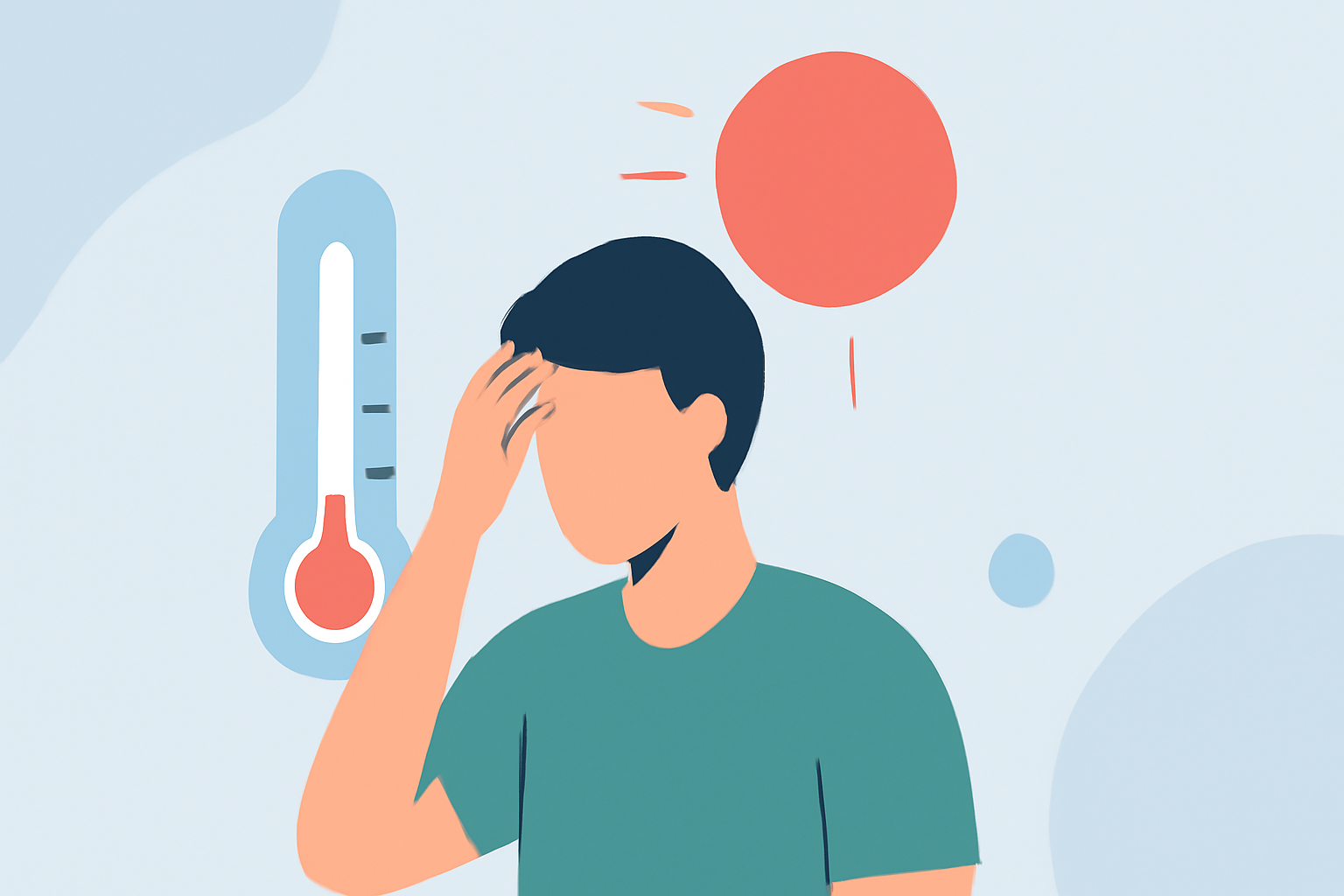
Heat stroke is a severe heat-related illness that occurs when the body becomes unable to regulate its core temperature, often exceeding 104°F (40°C). This condition can lead to serious health complications and even death if not addressed promptly. Understanding and implementing preventive measures is crucial, especially during periods of extreme heat.
What Are the Early Signs of Heat Stroke?
Recognizing the early symptoms of heat stroke can be lifesaving. Common signs include confusion, dizziness, nausea, rapid heartbeat, and flushed skin. If you or someone you know exhibits these symptoms, it's essential to seek medical attention immediately. (osha.gov)
How Can I Stay Hydrated to Prevent Heat Stroke?
Maintaining proper hydration is vital in preventing heat-related illnesses. It's recommended to drink water regularly throughout the day, even if you don't feel thirsty. During hot weather, aim to consume at least eight glasses of water daily. Avoid beverages that can lead to dehydration, such as alcohol and caffeine. (health.harvard.edu)
What Should I Wear to Protect Against Heat Stroke?
Dressing appropriately can help your body stay cool. Opt for lightweight, loose-fitting, and light-colored clothing. A wide-brimmed hat and sunglasses can also provide shade and protect against sunburn, which can impair your body's ability to cool itself. (webmd.com)
How Can I Stay Cool During Extreme Heat?
Staying cool is essential in preventing heat stroke. Seek air-conditioned environments whenever possible. If air conditioning isn't available, consider visiting public places like shopping malls or libraries. Use fans to circulate air, but be cautious, as they may not be effective in extremely hot conditions. Taking breaks in the shade and scheduling outdoor activities during cooler parts of the day can also help. (cdc.gov)
What Are the Risks of Heat Stroke?
Heat stroke can lead to serious health issues, including damage to the brain, heart, kidneys, and muscles. The longer treatment is delayed, the greater the risk of severe complications or death. It's particularly dangerous for older adults, young children, and individuals with chronic health conditions. (cdc.gov)
How Can I Recognize and Respond to Heat Stroke?
If you suspect someone is experiencing heat stroke, call emergency services immediately. While waiting for help, move the person to a cooler environment, remove excess clothing, and apply cool, wet cloths to their body. Do not attempt to give them fluids to drink. (osha.gov)
How Can I Prevent Heat Stroke During Physical Activity?
When engaging in physical activities during hot weather, take extra precautions. Drink water before, during, and after exercise. Wear appropriate clothing and take regular breaks in the shade. If possible, schedule strenuous activities during cooler parts of the day. Be aware of the signs of heat-related illnesses and seek medical attention if symptoms arise. (medlineplus.gov)
By understanding the risks and implementing these preventive measures, you can significantly reduce the chances of experiencing heat stroke and ensure a safer, more comfortable summer.