
Effective Strategies to Manage Grass Pollen Allergies
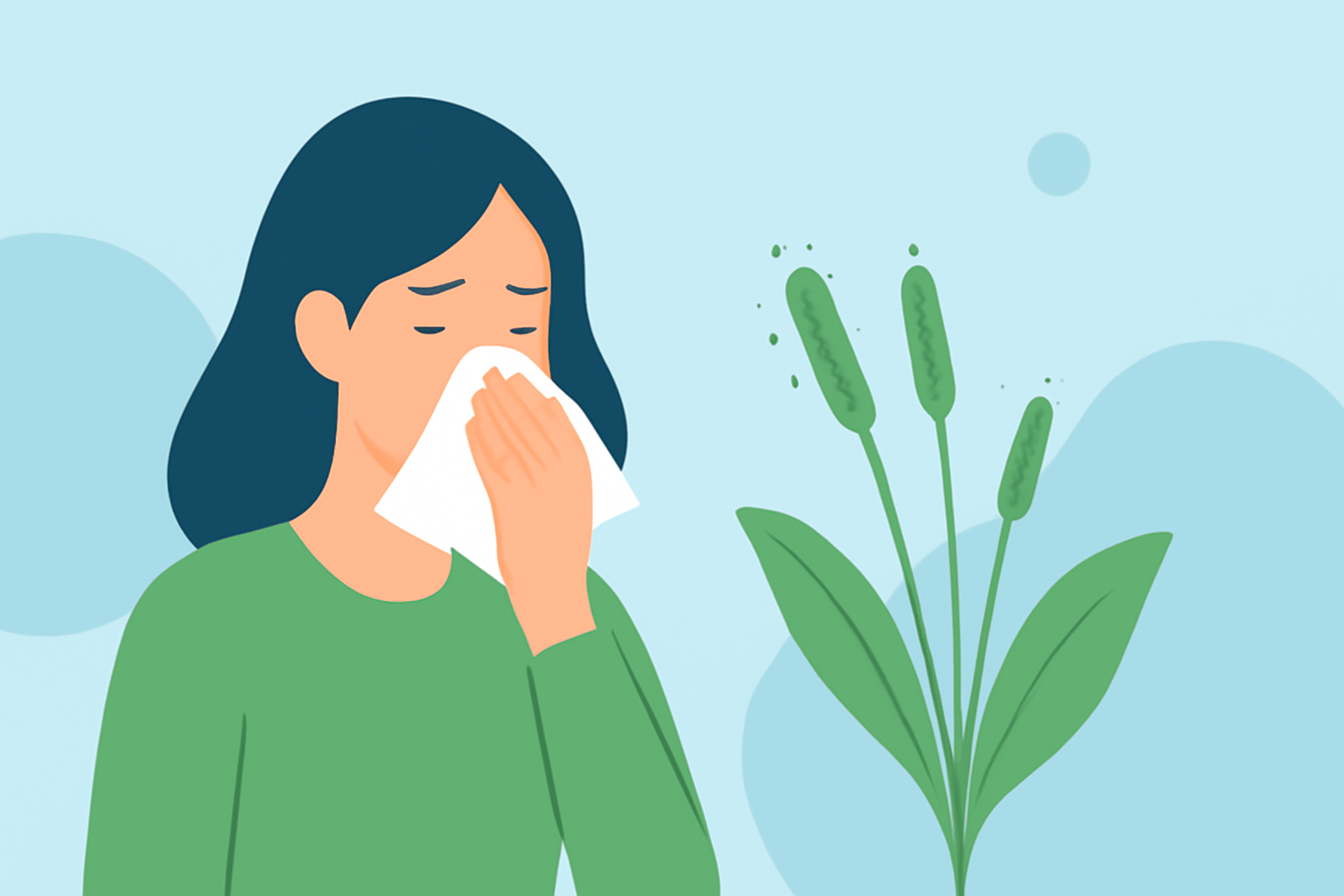
Grass pollen allergies are a common concern during the spring and summer months, leading to symptoms like sneezing, nasal congestion, and itchy eyes. (healthline.com) Managing these symptoms involves a combination of preventive measures, treatments, and lifestyle adjustments. Here's a step-by-step guide to help you navigate grass pollen allergies effectively.
1. Understand Your Allergy Triggers
Identifying the specific grasses that trigger your allergies is the first step toward effective management. Common culprits include perennial rye, Bermuda grass, and bluegrass. (healthline.com) Consulting with a healthcare provider can help pinpoint your specific allergens.
2. Monitor Pollen Levels
Stay informed about daily pollen counts in your area. Many local news outlets and online platforms provide pollen forecasts. On days with high pollen levels, consider limiting outdoor activities, especially during peak pollen times, typically early morning and late afternoon. (mayoclinic.org)
3. Create an Allergy-Friendly Environment
-
Keep Windows Closed: During high pollen seasons, keep windows in your home and car closed to prevent pollen from entering. (mayoclinic.org)
-
Use Air Conditioning: Utilize air conditioning in your home and car to filter out pollen. Ensure that filters are clean and replaced regularly. (mayoclinic.org)
-
Clean Regularly: Use high-efficiency particulate air (HEPA) filters in your home's heating and cooling systems. Regular cleaning can help reduce indoor allergens. (mayoclinic.org)
4. Implement Personal Protective Measures
-
Shower and Change Clothes: After spending time outdoors, shower and change into clean clothes to remove pollen from your skin and hair. (mayoclinic.org)
-
Limit Outdoor Exposure: On days with high pollen counts, try to stay indoors, especially during peak pollen times. (mayoclinic.org)
5. Consider Medical Treatments
-
Over-the-Counter Medications: Antihistamines, nasal sprays, and decongestants can help alleviate symptoms. Always follow the recommended dosages and consult with a healthcare provider if you have underlying health conditions. (my.clevelandclinic.org)
-
Allergy Shots (Immunotherapy): For long-term relief, allergy shots can gradually desensitize your immune system to specific allergens. This treatment involves regular injections over several years. (healthline.com)
6. Maintain a Healthy Lifestyle
-
Stay Hydrated: Drinking plenty of fluids can help thin mucus and alleviate nasal congestion.
-
Exercise Indoors: Engage in physical activities indoors to avoid exposure to pollen.
-
Manage Stress: High stress levels can exacerbate allergy symptoms. Practice relaxation techniques such as deep breathing, meditation, or yoga.
7. Seek Professional Advice
If over-the-counter treatments are ineffective, or if symptoms are severe, consult with a healthcare provider or allergist. They can offer personalized advice and may recommend prescription medications or other treatments tailored to your needs.
By implementing these strategies, you can effectively manage grass pollen allergies and enjoy a more comfortable lifestyle during peak pollen seasons.