
Effective Strategies to Manage Tree Pollen Allergies in the United States
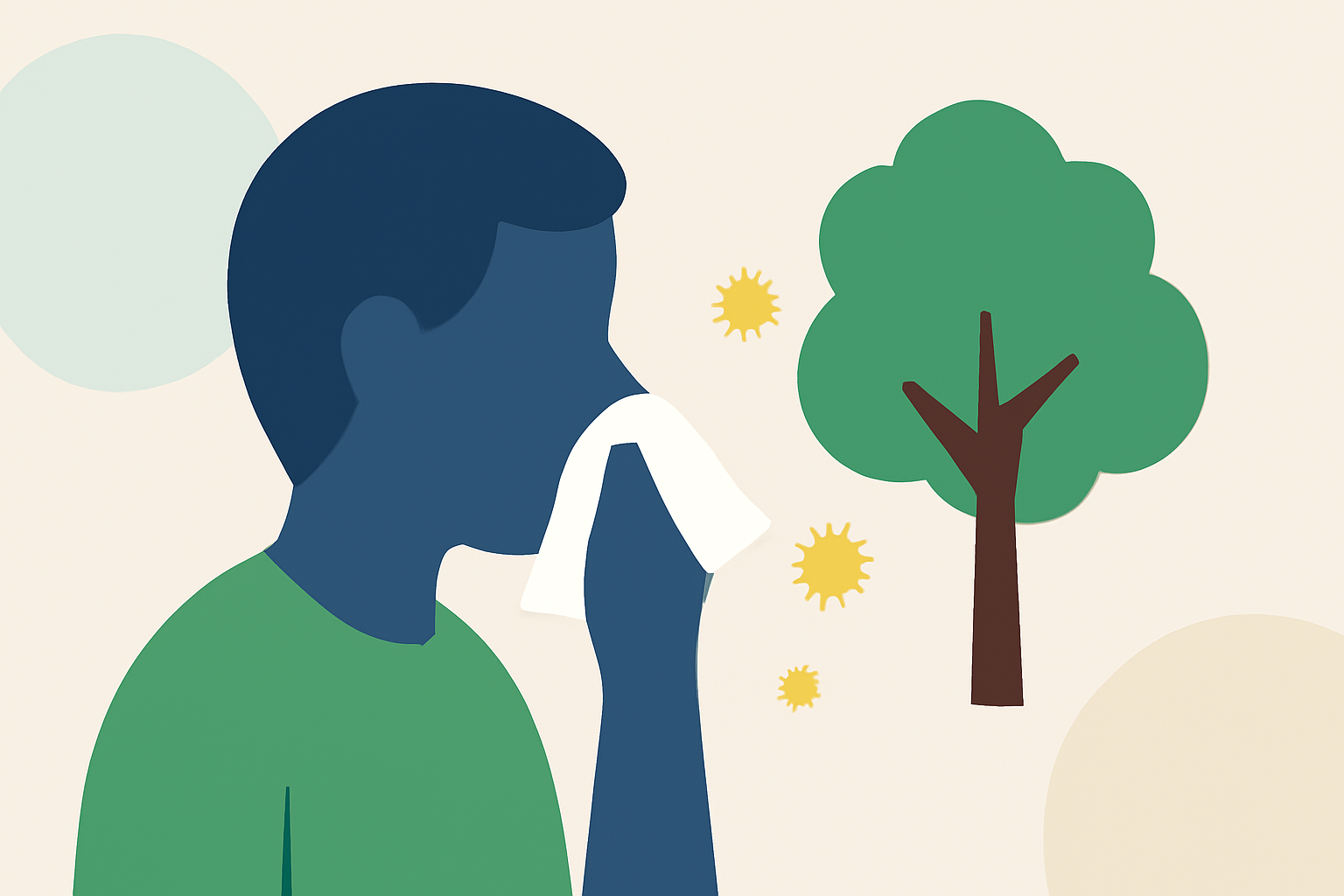
Tree pollen allergies are a prevalent concern across the United States, particularly during the spring months when trees release pollen into the air. Understanding effective strategies to manage these allergies can significantly improve quality of life for sufferers.
Understanding Tree Pollen Allergies
Tree pollen allergies, also known as allergic rhinitis or hay fever, occur when the immune system overreacts to pollen from trees. Common symptoms include sneezing, itchy eyes, runny nose, and congestion. Trees such as oak, birch, cedar, and maple are known to produce pollen that can trigger these allergic reactions. (medicalnewstoday.com)
Environmental Adjustments to Reduce Exposure
-
Limit Outdoor Activities During Peak Pollen Times: Pollen levels are typically highest in the early morning hours, roughly between 5 AM and 10 AM. Planning outdoor activities during late afternoon and early evening can help minimize exposure. (mypollenpal.com)
-
Keep Windows Closed: During high pollen seasons, keeping windows in your home and car closed can prevent pollen from entering indoor spaces. Using air conditioning with clean filters can also help maintain indoor air quality. (allergyasthmanetwork.org)
-
Use Air Purifiers: Installing air purifiers equipped with HEPA filters can reduce airborne pollen particles inside your home.
-
Create Physical Barriers: Planting dense hedges or installing fences can act as barriers, reducing the amount of pollen entering your property from neighboring areas. (homesandgardens.com)
Lifestyle Changes to Alleviate Symptoms
-
Shower and Change Clothes After Outdoor Exposure: Pollen can cling to your skin, hair, and clothing. Showering and changing clothes after spending time outdoors can help remove pollen and reduce allergic reactions. (allergyasthmanetwork.org)
-
Dry Laundry Indoors: Avoid drying clothes and bedding outside during high pollen seasons, as pollen can settle on fabrics, leading to increased exposure. (allergyasthmanetwork.org)
-
Maintain Cleanliness: Regularly cleaning your home, including vacuuming with a HEPA filter and washing bedding frequently, can help reduce indoor pollen levels.
Medical Treatments and Remedies
-
Over-the-Counter Medications: Antihistamines, decongestants, and nasal corticosteroids can help alleviate symptoms. It's advisable to consult with a healthcare provider before starting any new medication regimen. (medicalnewstoday.com)
-
Nasal Irrigation: Using saline nasal sprays or performing nasal rinses can help clear pollen from nasal passages, reducing congestion and irritation. (allergyasthmanetwork.org)
-
Immunotherapy: For severe cases, allergy shots or sublingual tablets may be recommended to gradually desensitize the immune system to specific allergens. Consulting with an allergist can determine if this treatment is appropriate. (medicalnewstoday.com)
Gardening Strategies to Minimize Pollen Exposure
-
Select Low-Pollen Plants: Opt for insect-pollinated plants, such as snapdragons, begonias, and clematis, which produce heavier, less airborne pollen. Avoid wind-pollinated species like oak, birch, and ragweed. (homesandgardens.com)
-
Strategic Plant Placement: Position low-pollen plants near areas where you spend time, such as patios and entrances, to reduce exposure. Place higher-pollen plants farther from these areas, ideally downwind. (homesandgardens.com)
-
Use Physical Barriers: Implementing dense hedges or fences can block airborne pollen from neighboring gardens or other parts of your own yard. (homesandgardens.com)
Staying Informed and Prepared
-
Monitor Pollen Forecasts: Stay updated on local pollen counts through weather services or dedicated apps to plan outdoor activities accordingly. (weather.com)
-
Consult Healthcare Providers: Regular check-ups with healthcare providers can help manage symptoms effectively and adjust treatment plans as needed.
By implementing these strategies, individuals can better manage tree pollen allergies and improve their quality of life during peak pollen seasons.
Highlights:
- These Garden Design Tricks Can Reduce Pollen Exposure - 5 Ways to Minimize Allergies Without Compromising on Flowers, Published on Tuesday, April 28