
Effective Strategies to Prevent Migraines During Heat Waves
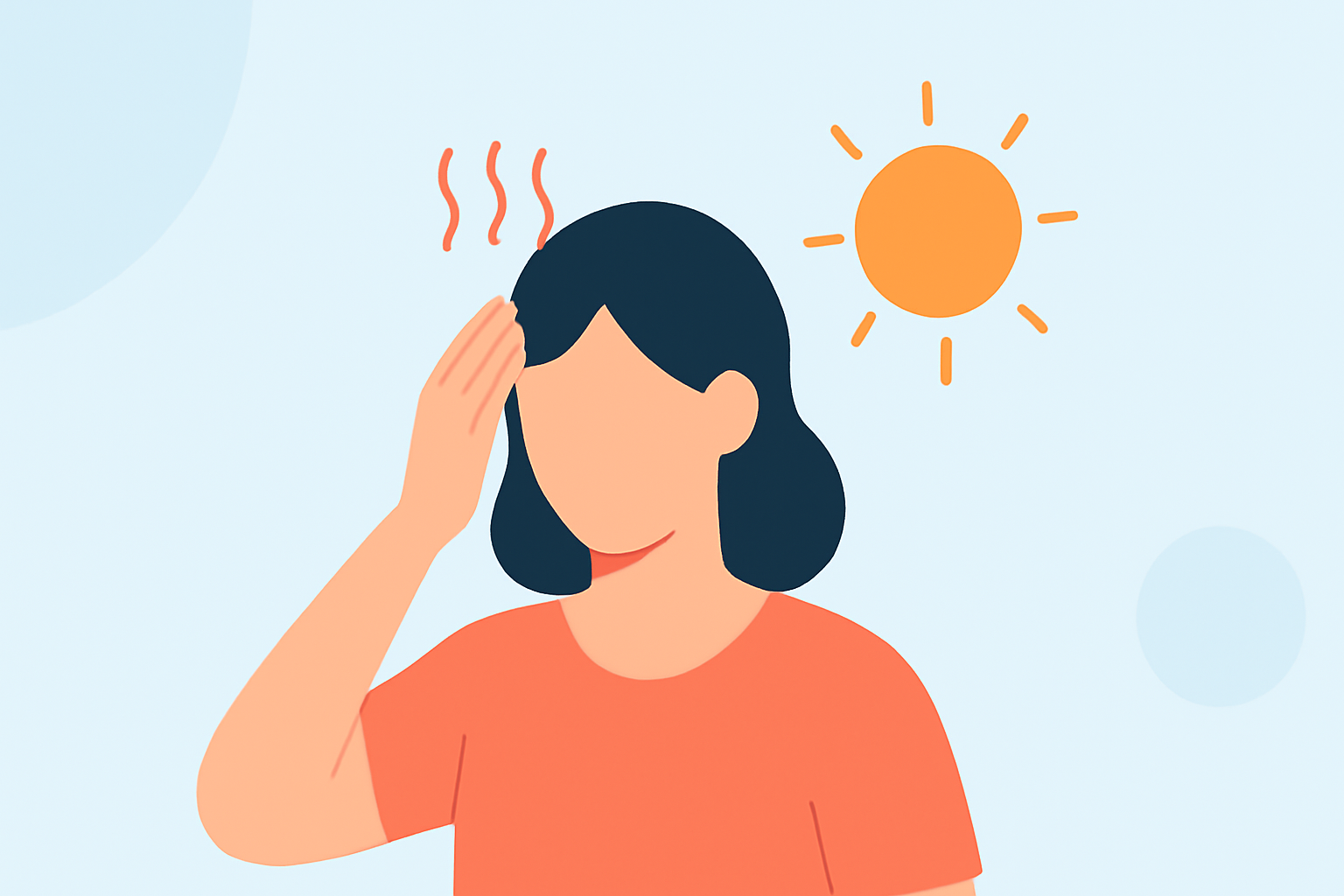
Heat waves can significantly increase the frequency and severity of migraine attacks. Understanding the connection between high temperatures and migraines is crucial for effective prevention and management.
Why Does Heat Trigger Migraines?
High temperatures can lead to dehydration, a known migraine trigger. Additionally, exposure to bright sunlight and glare can strain the eyes, potentially activating light-sensitive migraine pathways. The stress of dealing with uncomfortable temperatures can also elevate cortisol levels, another known trigger. (wmchealth.org)
How Can You Prevent Migraines During Heat Waves?
-
Stay Hydrated: Dehydration is a common migraine trigger. Drink water consistently throughout the day, not just when you feel thirsty. Include electrolyte-rich drinks during long periods outdoors or after sweating. Avoid alcohol and excessive caffeine, which can dehydrate you. (wmchealth.org)
-
Limit Sun Exposure: Protect your eyes with sunglasses and a hat with a brim when you venture out. Use blackout curtains, UV window films, or wear polarized sunglasses to reduce glare indoors. (gulfnews.com)
-
Maintain a Cool Environment: Use air conditioning or fans to keep indoor temperatures comfortable. Take breaks in air-conditioned environments, especially during heat waves. (healthcentral.com)
-
Avoid Strenuous Activities: Limit outdoor activities during peak heat hours. Schedule errands, gardening, and other commitments early or late in the day to avoid the hottest temperatures. (healthcentral.com)
-
Monitor Weather Changes: Be aware of sudden changes in barometric pressure, which can also trigger migraines. Plan activities accordingly to minimize exposure to these changes. (newsroom.clevelandclinic.org)
What Should You Do if a Migraine Occurs?
-
Rest in a Cool, Dark Place: Find a quiet, dark room to relax and reduce sensory stimulation.
-
Apply Cold or Warm Compresses: Use a cold pack on your forehead or a warm towel on your neck to alleviate pain.
-
Stay Hydrated: Continue to drink water to help reduce migraine symptoms.
-
Use Over-the-Counter Pain Relief: Consider over-the-counter medications like acetaminophen or ibuprofen, following the recommended dosages.
When Should You Seek Medical Attention?
If your migraine symptoms are severe, persistent, or accompanied by symptoms like nausea, vomiting, or visual disturbances, consult a healthcare professional. They can provide personalized advice and treatment options.
By implementing these strategies, you can better manage and prevent migraines during heat waves, leading to improved comfort and quality of life.
Highlights:
- , Published on Tuesday, June 09
- Heat Headache Symptoms, Causes, and Treatments, Published on Monday, January 14
- 7 Strategies to Avoid a Summer Migraine, Published on Tuesday, July 15