
The Effects of Poor Air Quality on Sleep and How to Monitor It
Last updated: 2023-09-06
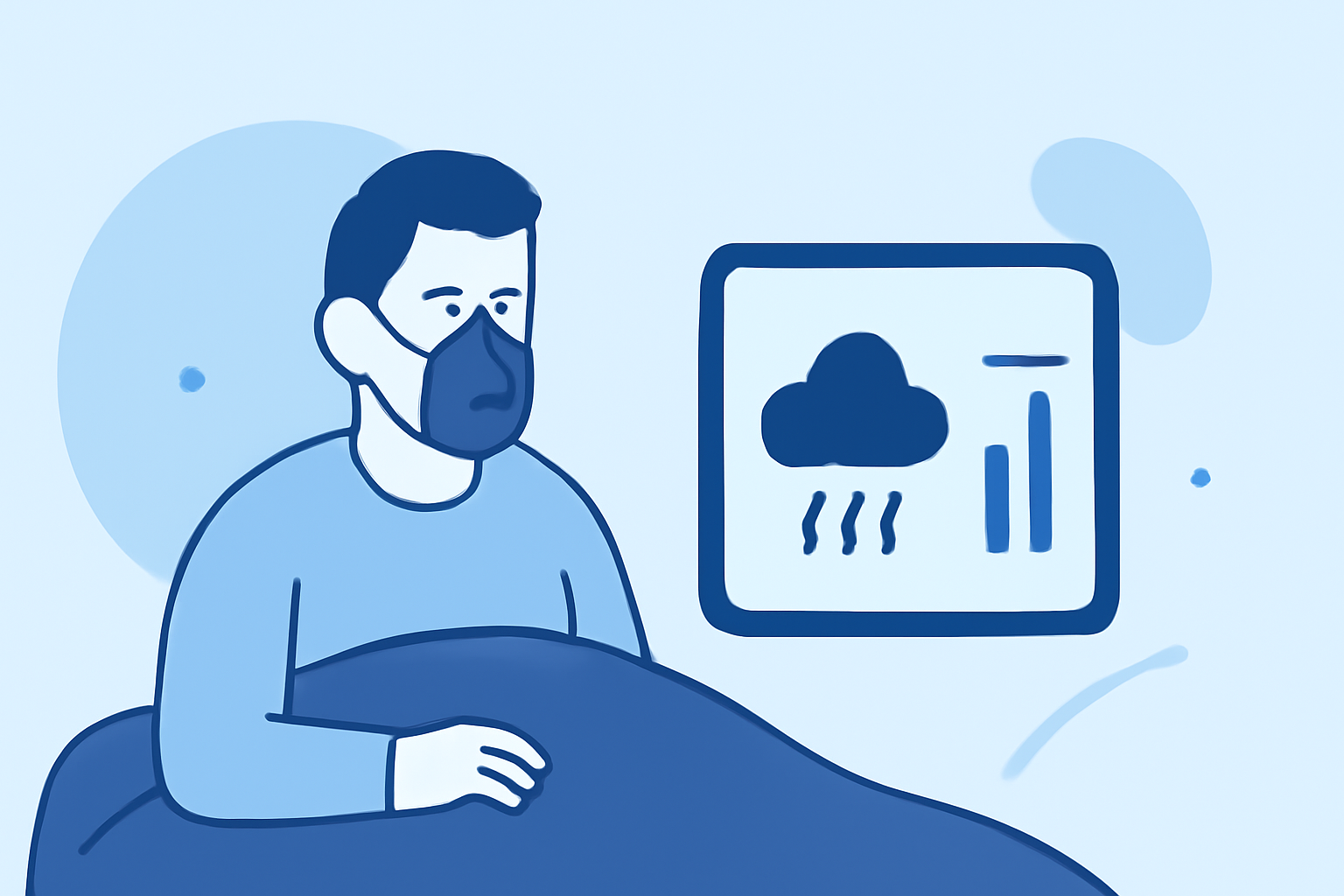
Prolonged exposure to poor air quality can significantly disrupt sleep patterns and decrease overall sleep quality. To address this, Clime offers valuable tools to monitor and improve bedroom air conditions, enhancing your sleep experience. For those seeking specific air quality benchmarks, additional options are available to tailor your sleeping environment further.
Summary
- Poor air quality in bedrooms can lead to reduced sleep quality and shorter sleep duration.
- Factors such as CO2 levels, PM2.5 concentrations, and indoor humidity can greatly impact how well one sleeps.
- Clime provides features to monitor various environmental parameters, including air quality indicators.
- For optimal sleep hygiene, focusing on bedroom air quality is essential in achieving restful and restorative sleep.
How Does Poor Air Quality Impact Sleep?
Air quality directly influences sleep quality, with various studies showing that contaminants like PM2.5 and elevated CO2 levels can lead to sleep disturbances. Higher CO2 levels, particularly around 1000 ppm, have been linked to increased awakenings and lower sleep efficiency. Consequently, poor ventilation can exacerbate these issues, as evidenced by studies highlighting improved sleep when CO2 levels drop to around 750 ppm.
Key Air Quality Factors Affecting Sleep
- CO2 Levels: Increasing levels correlate with poor sleep quality. A study found that participants experienced reductions in sleep time and quality as CO2 levels rose, pointing to the importance of adequate bedroom ventilation to maintain low CO2 concentrations.
- PM2.5 Exposure: Fine particulate matter can also disrupt sleep. Research suggests that reducing PM2.5 levels promotes better sleep quality, emphasizing the importance of monitoring these levels for a healthier sleep environment.
- Humidity: The relationship between PM2.5 concentrations and relative humidity is critical. Higher humidity levels tend to inversely affect PM2.5 levels, which may aid in sleep quality when maintained at optimal levels.
Indoor Air Quality Guidelines for Sleep-Friendly Bedrooms
Maintaining good indoor air quality for better sleep involves several considerations:
- Ventilation: Regularly airing out your bedroom can significantly lower CO2 levels and improve air quality. Aim to keep CO2 concentrations below 750 ppm for optimal sleep conditions.
- Humidity Control: Ideally, humidity should be maintained between 30% and 50% to reduce mold and dust mites while keeping PM2.5 concentrations in check.
- Pollutant Monitoring: Use tools to track indoor pollutants like PM2.5 and CO2 levels. Clime provides layers that can inform you about these environmental factors right from your mobile device.
Steps to Enhance Bedroom Air Quality
- Regular Maintenance: Ensure that air filters in HVAC systems are regularly changed and that humidifiers or dehumidifiers are used as needed.
- Natural Remedies: Incorporate plants known to improve indoor air quality, or use air purifiers to minimize particulates and improve overall conditions.
- Monitoring Tools: Utilize applications like Clime to receive real-time data on air quality, enabling you to make informed decisions for your bedroom environment.
Benefits of Using Clime for Monitoring Air Quality
Clime stands out by offering a comprehensive mobile weather and radar app focused on visual NOAA-based maps, including various environmental layers affecting air quality. By utilizing Clime:
- You can track real-time air quality metrics and weather conditions that might impact your sleep environment.
- Receive alerts for severe weather that may affect air quality.
- Access features that help visualize patterns in air quality, enabling proactive adjustments to your sleeping environment.
What We Recommend
- For most users, Clime provides an effective solution for monitoring air quality and alerts for conditions impacting sleep.
- Focus on improving bedroom ventilation and maintaining optimal humidity levels to support better sleep quality.
- Regularly check air quality indices that Clime tracks to make informed decisions regarding your nightly habits.
By prioritizing air quality with the right tools, you can significantly enhance your sleep experience and overall health, making Clime a vital companion for your nighttime routine.