
El Niño Basics for Beginners: Understanding the Phenomenon
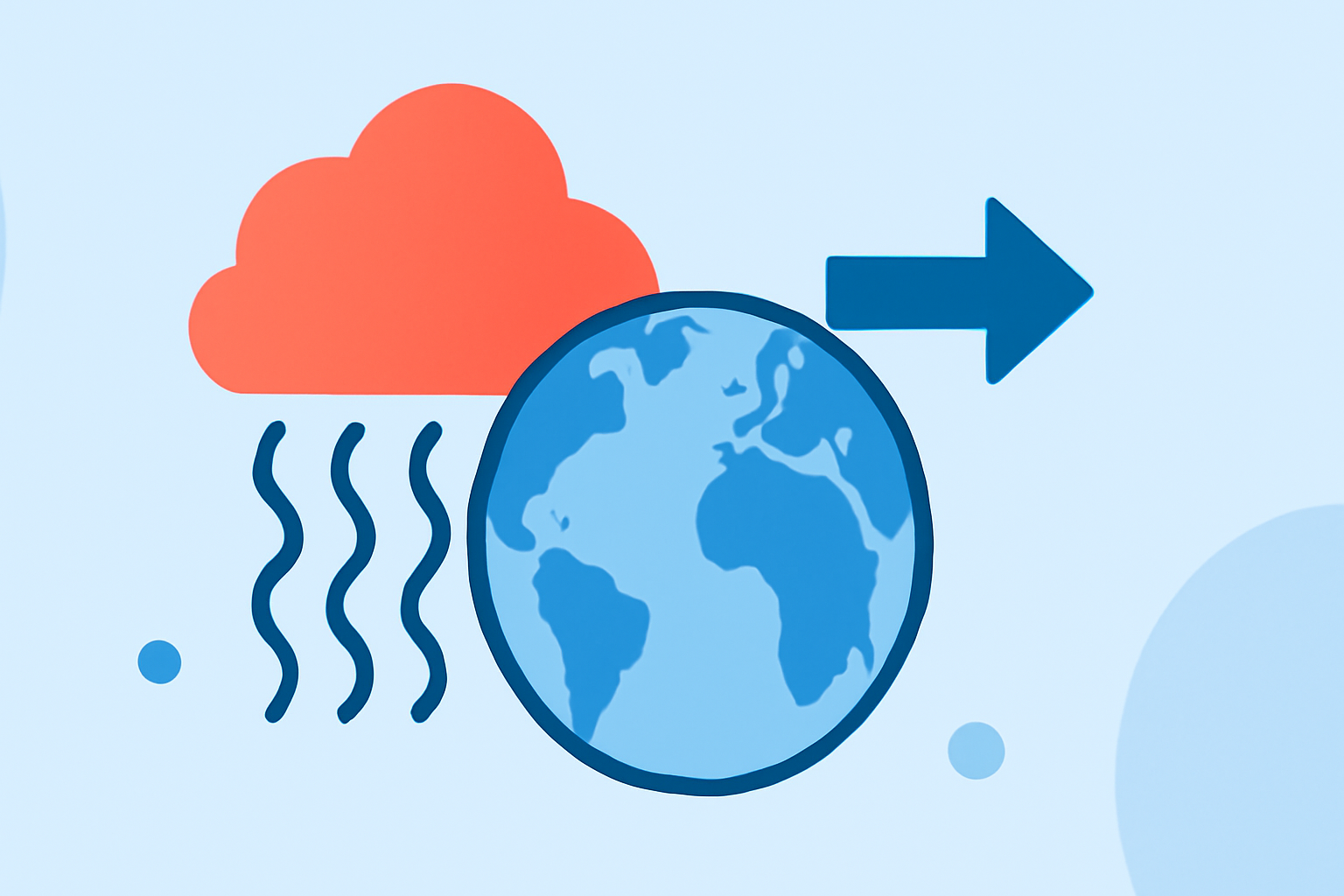
El Niño is a climatic phenomenon characterized by the periodic warming of sea surface temperatures in the central and eastern equatorial Pacific Ocean. This warming disrupts normal atmospheric patterns, leading to significant weather changes worldwide.
What Causes El Niño?
Under typical conditions, trade winds push warm surface waters westward across the Pacific Ocean, allowing cooler waters to rise near the coast of South America. During an El Niño event, these trade winds weaken or reverse, causing the warm waters to move eastward toward the Americas. This shift leads to a rise in sea surface temperatures and alters atmospheric circulation patterns. (britannica.com)
How Does El Niño Affect Weather?
The warming of Pacific waters during El Niño events influences global weather patterns, often leading to:
-
Increased Rainfall: Regions such as the southern United States and the west coast of South America may experience above-average rainfall, leading to potential flooding. (pmel.noaa.gov)
-
Drought Conditions: Conversely, areas like Australia and parts of Southeast Asia can face drier conditions, increasing the risk of wildfires. (pmel.noaa.gov)
-
Altered Storm Patterns: The frequency and intensity of tropical storms and hurricanes can change, affecting regions across the globe. (pmel.noaa.gov)
El Niño's Impact on the United States
In the U.S., El Niño events can lead to:
-
Southern States: Increased rainfall, which may result in flooding. (pmel.noaa.gov)
-
Northern States: Warmer and drier conditions during the winter months. (pmel.noaa.gov)
How Often Does El Niño Occur?
El Niño events typically occur every two to seven years, with varying intensity. The duration and strength of each event can differ, making precise predictions challenging. (britannica.com)
Monitoring and Predicting El Niño
Scientists monitor El Niño through a combination of satellite data, ocean buoys, and atmospheric measurements. These tools help track sea surface temperatures, wind patterns, and other indicators to predict the onset and potential impacts of El Niño events. (pmel.noaa.gov)
Conclusion
Understanding El Niño is crucial for preparing for its potential impacts on weather patterns, agriculture, and ecosystems. Ongoing research and monitoring efforts aim to improve prediction models and mitigate the adverse effects associated with this climatic phenomenon.
Highlights:
- El Niño | Causes, Effects, Weather, Meaning, & Years | Britannica, Published on Thursday, February 19
- What is El Niño? | El Nino Theme Page - A comprehensive Resource