
Maximizing Emergency Weather Alerts During Travel: Essential Tips
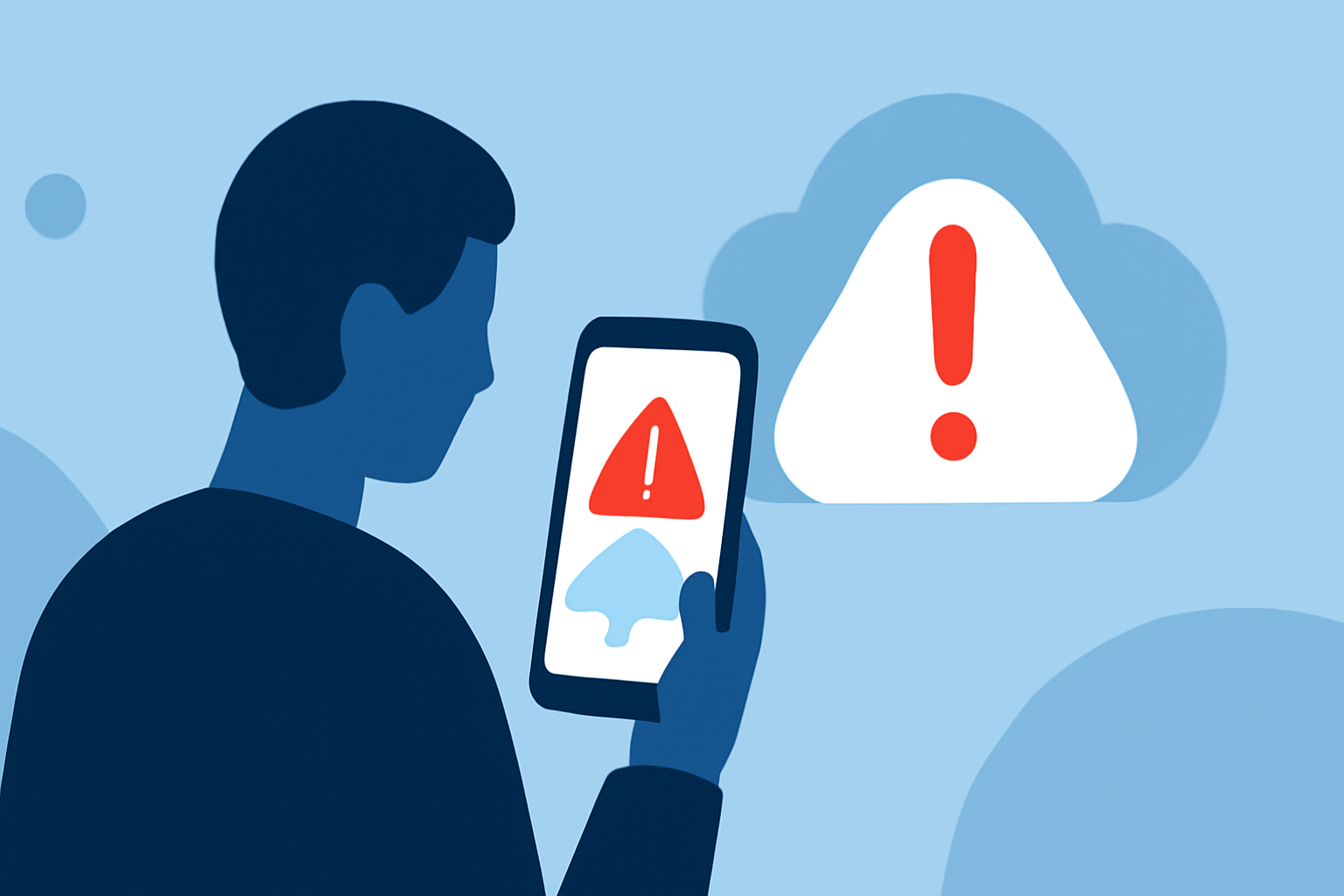
Traveling exposes you to various weather conditions, making it crucial to stay informed about potential hazards. In the United States, Wireless Emergency Alerts (WEAs) are a primary tool for disseminating urgent weather information to the public.
What Are Wireless Emergency Alerts (WEAs)?
WEAs are short, critical messages sent by authorized government authorities to alert the public about imminent threats. These alerts are broadcast from cell towers to all WEA-capable mobile devices within a defined area, ensuring timely dissemination of information. (weather.gov)
Types of WEAs Relevant to Travelers
While traveling, you may receive several types of WEAs:
-
Presidential Alerts: Issued by the President or a designee during national emergencies.
-
Imminent Threat Alerts: Issued when an imminent threat to life or property exists in your area, including severe weather events like tornadoes, flash floods, hurricanes, and tsunamis. (weather.gov)
-
AMBER Alerts: Issued to help law enforcement search for and locate an abducted child.
Ensuring Your Device Receives WEAs
To receive WEAs during your travels:
-
Verify Device Compatibility: Ensure your mobile device is WEA-capable. Most modern smartphones are, but it's essential to confirm.
-
Enable Alert Settings: Check your device's notification settings to ensure that emergency alerts are turned on.
-
Stay Updated: Keep your device's software up to date to maintain compatibility with the latest alerting technologies.
Understanding Alert Reception While Traveling
WEAs are broadcast from cell towers to all WEA-capable mobile devices within a defined area. This means that if you travel into an area where an alert has been issued, your device will receive the alert upon entering the area. However, if you travel into a threat area after the alert was originally sent, you should still receive it. (weather.gov)
Additional Tips for Travelers
-
Use Multiple Alert Sources: In addition to WEAs, consider using NOAA Weather Radio, local news outlets, and weather apps to stay informed.
-
Plan Ahead: Before traveling, check the weather forecasts for your destination and along your route.
-
Stay Informed: Regularly monitor local news and weather updates, especially when traveling through areas prone to severe weather.
Conclusion
Staying informed about weather conditions is vital for safety during travel. By ensuring your device is set up to receive WEAs and utilizing multiple sources of information, you can effectively manage and respond to emergency weather alerts, keeping yourself and others safe.