
Understanding Engine Temperature Warning Lights in Your Car
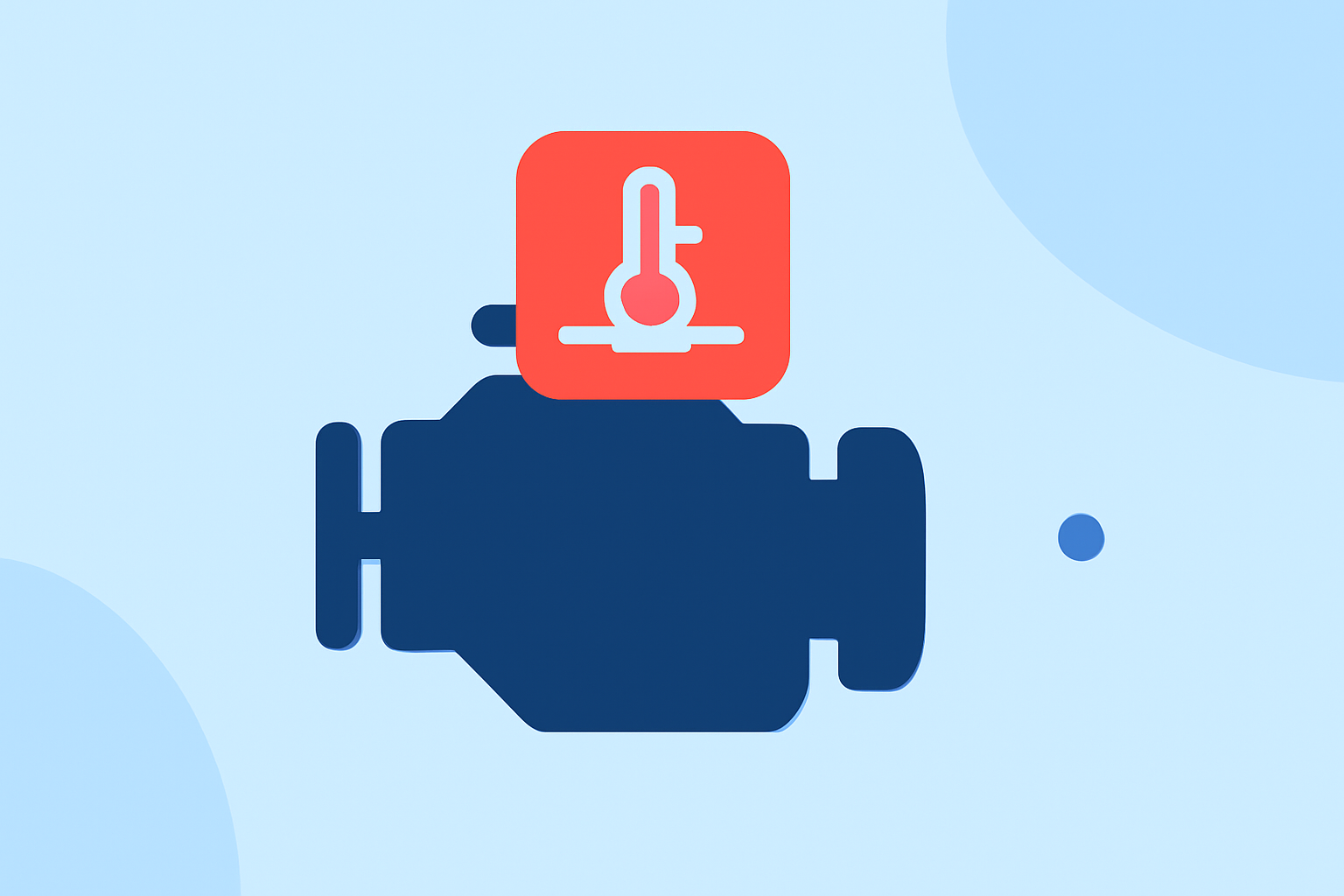
The engine temperature warning light is a crucial indicator on your vehicle's dashboard, alerting you to potential overheating issues. Recognizing its meaning and knowing how to respond can prevent serious engine damage.
What Does the Engine Temperature Warning Light Indicate?
This warning light, often depicted as a thermometer symbol, signifies that your engine is operating at a higher temperature than normal. It's essential to address this promptly to avoid severe engine damage.
Common Causes of an Illuminated Engine Temperature Warning Light
Several factors can trigger this warning light:
-
Low Coolant Levels: Coolant circulates through the engine to dissipate heat. A low level can lead to overheating.
-
Faulty Thermostat: The thermostat regulates coolant flow. If it fails, it can restrict coolant circulation, causing the engine to overheat.
-
Cooling Fan Malfunction: Cooling fans help maintain optimal engine temperature. A malfunctioning fan can result in inadequate cooling.
-
Radiator Issues: A clogged or damaged radiator may not effectively dissipate heat, leading to overheating.
-
Water Pump Failure: The water pump circulates coolant throughout the engine. A failure can disrupt this flow, causing temperature increases.
Steps to Take When the Warning Light Activates
If the engine temperature warning light comes on:
-
Pull Over Safely: Find a safe location to stop and turn off the engine.
-
Allow the Engine to Cool: Wait for at least 30 minutes before opening the hood to prevent burns.
-
Check Coolant Levels: Once cooled, inspect the coolant reservoir. If low, add the appropriate coolant mixture.
-
Inspect for Leaks: Look for signs of coolant leaks around hoses and the radiator.
-
Restart the Engine: After addressing coolant levels, start the engine and monitor the warning light.
-
Seek Professional Assistance: If the light remains on or you notice persistent issues, consult a qualified mechanic.
Preventive Measures to Avoid Overheating
To minimize the risk of engine overheating:
-
Regular Maintenance: Schedule routine checks of the cooling system components.
-
Monitor Coolant Levels: Periodically check and maintain proper coolant levels.
-
Address Issues Promptly: Attend to any cooling system problems immediately to prevent escalation.
When to Seek Professional Help
If the engine temperature warning light persists after taking the above steps, or if you experience symptoms like steam from the engine or unusual engine noises, it's crucial to consult a professional mechanic. Ignoring these signs can lead to significant engine damage and costly repairs.
Understanding the engine temperature warning light and responding appropriately can safeguard your vehicle's engine and ensure its longevity.