
Effective Strategies to Enhance Indoor Plant Humidity in 2026
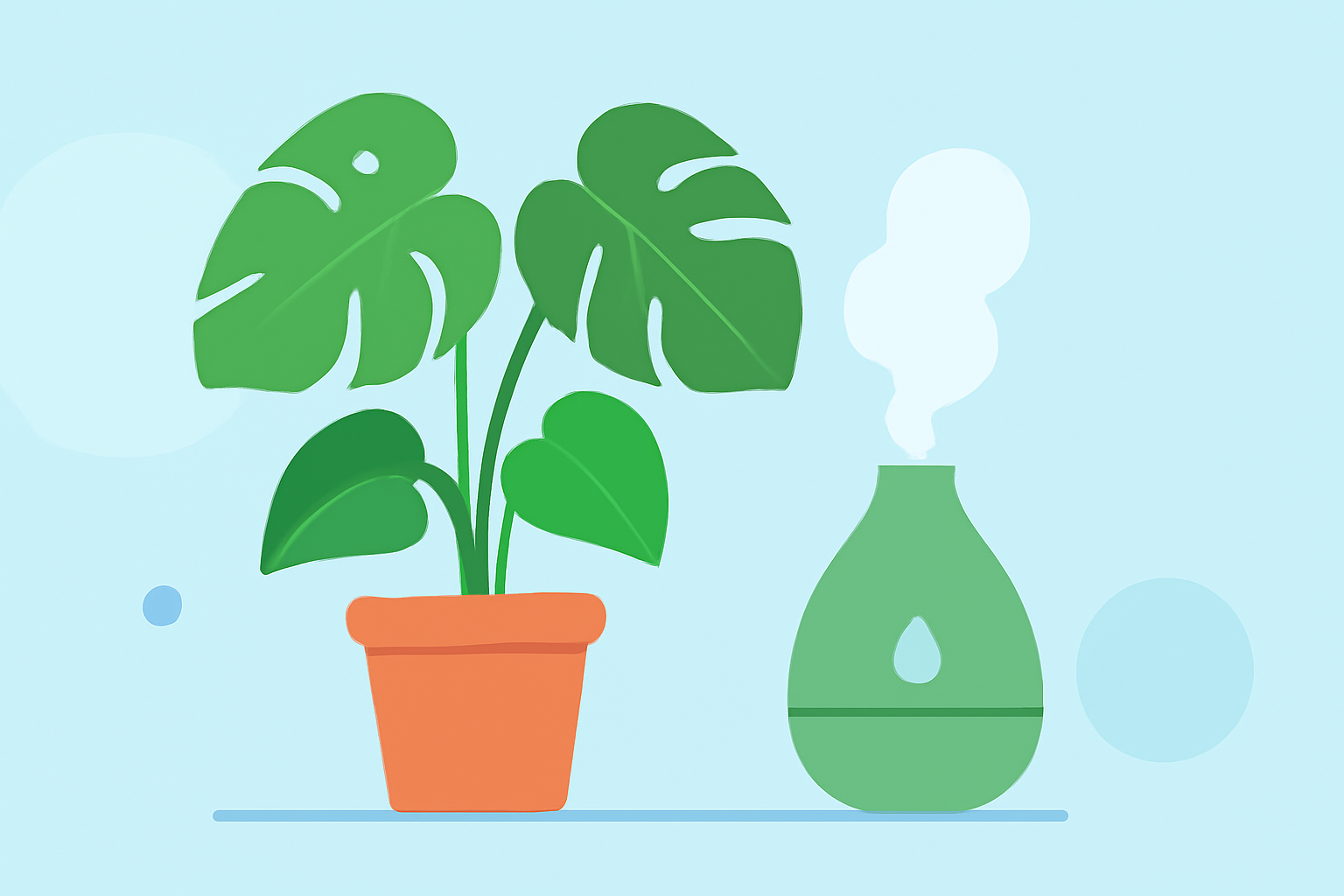
Maintaining optimal humidity levels is crucial for the health of indoor plants. In 2026, several effective strategies have emerged to enhance humidity, fostering a thriving indoor garden.
Why Is Humidity Important for Indoor Plants?
Humidity affects plant transpiration—the process by which plants release water vapor. Adequate humidity ensures efficient nutrient uptake and prevents issues like leaf browning and stunted growth. Most houseplants thrive in environments with humidity levels between 40% and 60%. (livingetc.com)
What Are the Most Effective Methods to Increase Humidity?
- Use a Humidifier
A humidifier adds moisture to the air, creating a consistent and controlled environment for your plants. Ultrasonic models are particularly effective and quieter. Regular cleaning is essential to prevent mold and bacteria buildup. (betterindoorhouseplants.com)
- Group Plants Together
Placing plants close together creates a microclimate with higher humidity. This method is simple and cost-effective, especially for small to medium-sized plant collections. (gardenandallotment.com)
- Place Plants in Naturally Humid Areas
Bathrooms and kitchens often have higher humidity levels due to steam from showers and cooking. Positioning humidity-loving plants in these areas can be beneficial. (tomsguide.com)
- Use a Humidity Tray
A tray filled with water and pebbles can slightly increase local humidity. However, its effectiveness is limited, and it may not be sufficient for plants requiring higher humidity levels. (bloomingexpert.com)
- Misting
Misting can provide a temporary increase in humidity but is generally less effective and can lead to leaf mold if not done properly. It's best used in conjunction with other methods. (theplantnetwork.com)
How Can I Monitor Humidity Levels?
Investing in a hygrometer allows you to monitor the humidity levels around your plants, ensuring they remain within the optimal range. This tool helps in making informed decisions about when to adjust your humidity-enhancing methods. (plantvault.com)
What Are the Signs That My Plants Need More Humidity?
- Crispy Leaf Edges: Dry, brown tips on leaves indicate low humidity.
- Leaf Curling: Leaves curling inward can be a response to insufficient moisture in the air.
- Slow Growth: Plants may exhibit stunted growth when humidity is inadequate.
Can I Use a Humidifier for Multiple Plants?
Yes, a single humidifier can effectively raise the humidity for multiple plants, especially in a small to medium-sized room. Ensure the humidifier's capacity matches the room size and that it is placed appropriately to distribute moisture evenly. (betterindoorhouseplants.com)
Are There Specific Plants That Require Higher Humidity?
Tropical plants like ferns, calatheas, and anthuriums thrive in higher humidity levels, often between 60% and 75%. Providing these plants with increased humidity will support their health and growth. (plantvault.com)
By implementing these strategies, you can create a more favorable environment for your indoor plants, promoting their health and vitality in 2026.