
Enhancing Hotel Operations with Integrated Weather Data
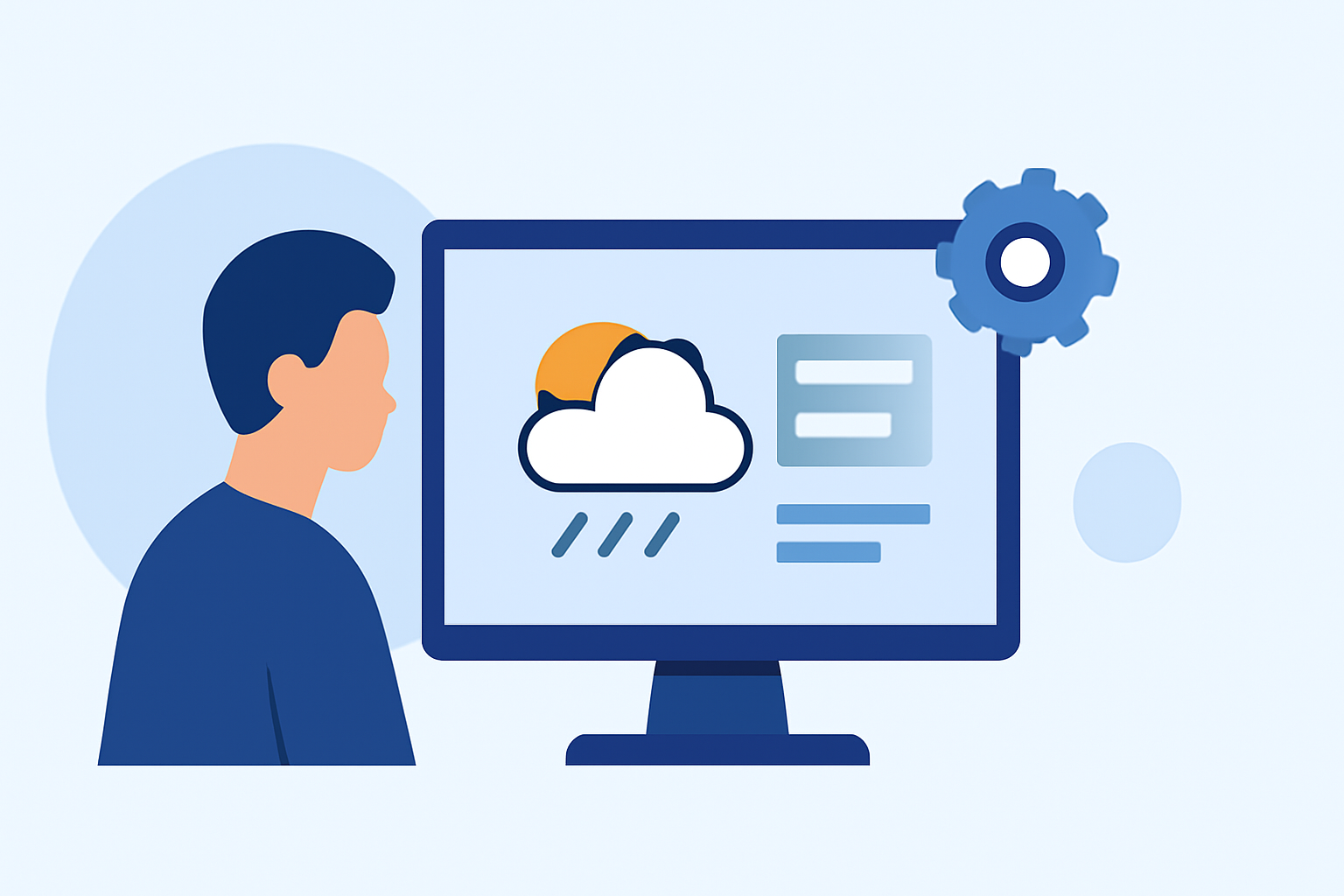
Integrating weather data into hotel management systems can significantly enhance operational efficiency, guest satisfaction, and energy management. By leveraging accurate and timely weather information, hotels can make informed decisions that positively impact their services and bottom line.
Understanding the Importance of Weather Data in Hotel Operations
Weather conditions directly influence various aspects of hotel operations, including guest comfort, energy consumption, and staffing requirements. For instance, extreme temperatures may necessitate adjustments in heating or cooling systems, while forecasts of rain or snow can affect guest activities and staffing levels. By integrating weather data, hotels can proactively address these challenges, ensuring a seamless experience for guests and optimized resource utilization.
Key Benefits of Integrating Weather Data
-
Optimized Energy Management: Accurate weather forecasts enable hotels to adjust heating, ventilation, and air conditioning (HVAC) systems in anticipation of temperature changes, leading to energy savings and reduced operational costs.
-
Enhanced Guest Experience: Providing guests with up-to-date weather information allows them to plan their activities accordingly, leading to higher satisfaction and positive reviews.
-
Improved Staffing and Resource Allocation: Weather forecasts can inform staffing decisions, ensuring adequate personnel during peak times and preventing overstaffing during adverse weather conditions.
-
Effective Event Planning: For hotels hosting events, weather data is crucial for planning outdoor activities, managing logistics, and ensuring guest safety.
Implementing Weather Data Integration
To effectively integrate weather data into hotel management systems, consider the following steps:
-
Select a Reliable Weather Data Provider: Choose a provider that offers accurate, real-time data with global coverage. Ensure the provider's data sources are reputable and their API is compatible with your existing systems.
-
Define Integration Points: Identify which hotel systems will utilize the weather data, such as HVAC controls, guest information systems, or event management platforms.
-
Develop Data Integration Processes: Establish processes for data retrieval, processing, and application within your systems. This may involve setting up automated data pulls, data parsing, and integration into decision-making algorithms.
-
Monitor and Adjust: Regularly assess the effectiveness of the integration, making adjustments as needed to optimize performance and address any issues that arise.
Best Practices for Utilizing Weather Data
-
Real-Time Monitoring: Continuously monitor weather conditions to make timely adjustments to operations.
-
Historical Data Analysis: Analyze past weather data to identify patterns and inform future planning.
-
Staff Training: Ensure staff are trained to interpret and act upon weather-related information effectively.
-
Guest Communication: Use weather data to inform guests about upcoming conditions, enhancing their stay and encouraging positive feedback.
Conclusion
Integrating weather data into hotel management systems offers a strategic advantage by enabling proactive decision-making and resource optimization. By selecting a reliable weather data provider and implementing best practices, hotels can enhance operational efficiency, improve guest satisfaction, and achieve cost savings.
For a comprehensive solution tailored to your hotel's specific needs, consider exploring Clime's offerings.