
Effective Strategies to Enhance Humidity for Your Houseplants
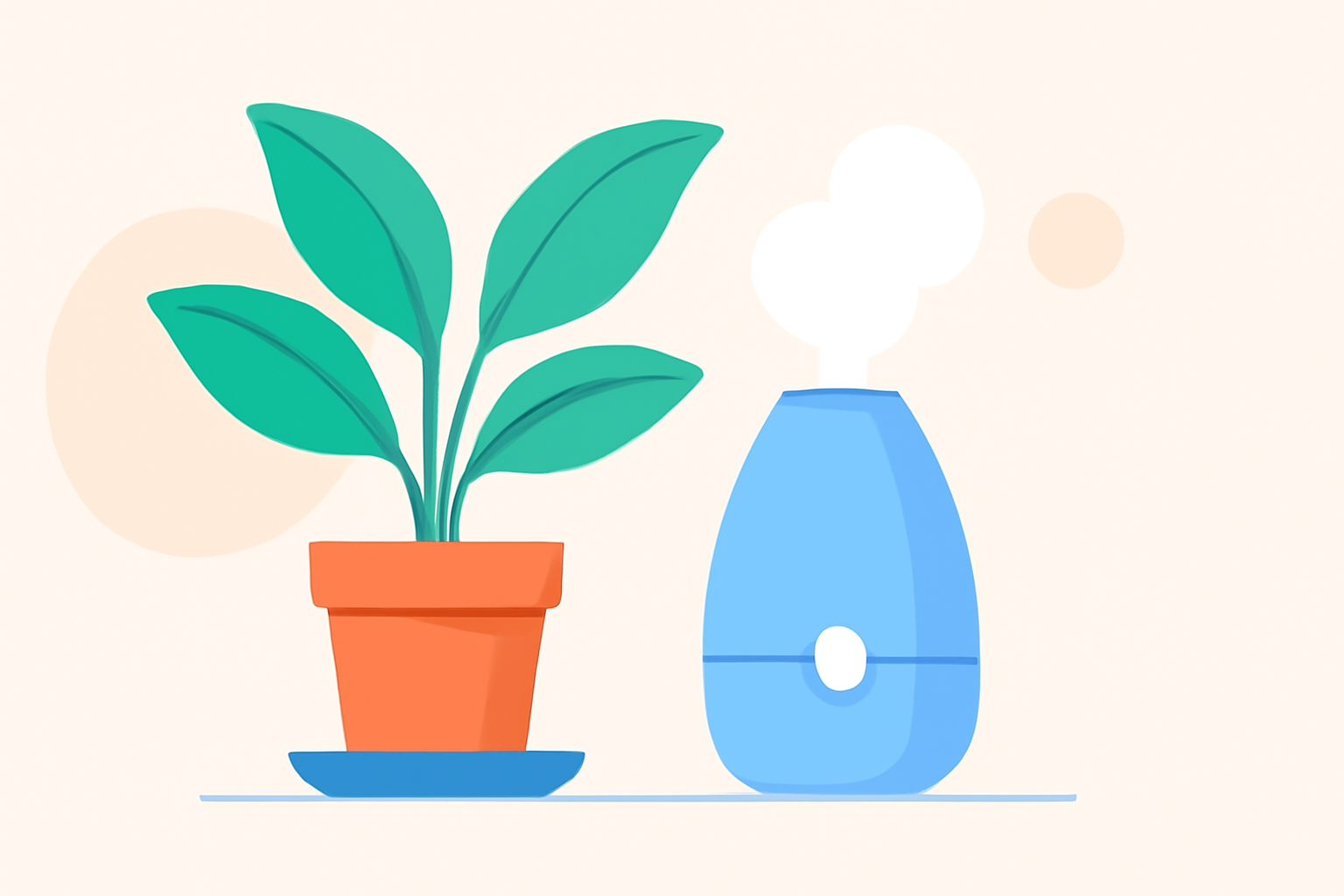
Maintaining the right humidity levels is crucial for the health and vitality of many houseplants, especially tropical varieties. These plants thrive in environments with higher humidity, typically between 50% and 70%. (plantvault.com)
Understanding Plant Humidity Needs
Not all houseplants have the same humidity requirements. Tropical plants like ferns, calathea, and anthurium prefer higher humidity levels, while succulents and cacti are more tolerant of drier conditions. Recognizing your plant's specific needs is the first step in providing appropriate care.
Signs of Low Humidity Stress
Plants experiencing insufficient humidity may exhibit:
-
Browning or yellowing leaf tips
-
Curling or wilting leaves
-
Reduced growth or stunted new leaves
Addressing these symptoms promptly can prevent long-term damage.
Effective Methods to Increase Humidity
- Use a Humidifier
A humidifier is one of the most effective tools to raise ambient humidity levels. Ultrasonic humidifiers, in particular, disperse a fine mist without significantly altering room temperature, making them suitable for plant environments. Position the humidifier near your plants, ensuring it doesn't blow directly onto them to prevent leaf damage. (thehouseofhydro.com)
- Group Your Plants Together
Placing plants close together creates a microenvironment with higher humidity due to the moisture they release through transpiration. This method is particularly beneficial for small plant collections. (plantvault.com)
- Utilize Humidity Trays
A tray filled with water and pebbles can help increase humidity around a single plant. As the water evaporates, it raises the moisture level in the immediate vicinity. Ensure the plant pot sits above the water line to prevent root rot. (thehouseofhydro.com)
- Create a Terrarium or Enclosed Space
Enclosing plants in a glass container or terrarium traps moisture, creating a high-humidity environment. This setup is ideal for humidity-loving plants and can also serve as a decorative piece. (thehouseofhydro.com)
- Place Plants in Naturally Humid Areas
Bathrooms and kitchens often have higher humidity levels due to steam from showers and cooking. Positioning your plants in these rooms can provide the necessary moisture, but ensure they receive adequate light. (plants.tips)
Methods to Avoid
-
Misting: While misting can temporarily increase humidity, it often doesn't provide a lasting solution and can promote fungal growth if leaves remain wet. (gardeningknowhow.com)
-
Pebble Trays: In open rooms, pebble trays may have minimal impact on humidity levels. They are more effective in enclosed spaces where moisture can accumulate. (plantvault.com)
Monitoring Humidity Levels
Investing in a hygrometer allows you to monitor the humidity levels in your plant's environment accurately. This tool helps ensure that your plants are in their optimal humidity range, facilitating better growth and health. (plants.tips)
Conclusion
By implementing these strategies, you can create a more favorable environment for your tropical houseplants, promoting their health and longevity. Regular monitoring and adjustments will help maintain the ideal humidity levels, ensuring your plants thrive.
Highlights:
- I stopped making these 9 plant 'care' mistakes and now my plants are thriving, Published on Friday, April 03
- Stop Misting! Why Your Houseplant Humidity Trick Could Actually Be Killing Them - and What to Do Instead, Published on Tuesday, January 06
- These 7 Popular Houseplants Won't Survive Without Extra Humidity - Do You Have One? Here's How to Help Them Thrive, Published on Monday, November 24