
Enhancing In-Car Air Quality with HEPA Filters
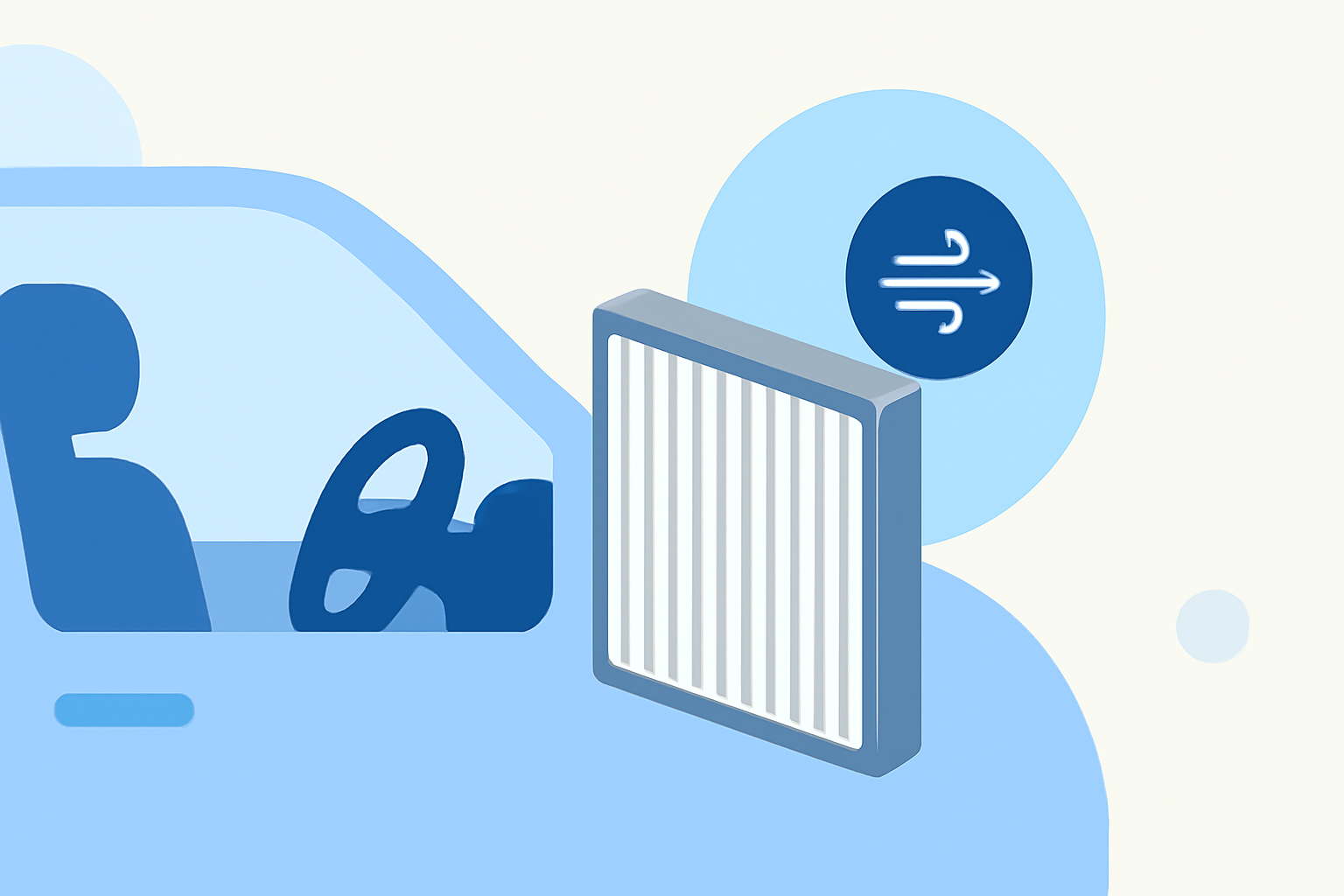
Maintaining clean air within your vehicle is essential for health and comfort. High-Efficiency Particulate Air (HEPA) filters offer an effective solution by capturing a wide range of airborne pollutants.
What Are HEPA Filters?
HEPA filters are designed to trap at least 99.97% of particles as small as 0.3 microns, including dust, pollen, mold spores, and bacteria. This high level of efficiency makes them particularly beneficial for individuals with allergies or respiratory conditions.
Benefits of HEPA Filters in Vehicles
-
Improved Air Quality: By removing fine particles from the air, HEPA filters help reduce exposure to allergens and pollutants.
-
Healthier Environment: Cleaner air can alleviate symptoms associated with allergies and asthma, leading to a more comfortable driving experience.
-
Enhanced Comfort: A reduction in airborne irritants contributes to a more pleasant atmosphere inside the vehicle.
How Do HEPA Filters Work?
HEPA filters consist of a dense mat of fibers that trap particles as air passes through. This process effectively captures pollutants, preventing them from entering the vehicle's cabin.
Installing HEPA Filters in Your Vehicle
Many modern vehicles come equipped with HEPA filters as part of their cabin air filtration system. If your vehicle does not have one, consider the following options:
-
Aftermarket Air Purifiers: Portable air purifiers with HEPA filters can be placed in the vehicle to improve air quality.
-
Upgrading Cabin Air Filters: Some vehicles allow for the replacement of standard cabin air filters with HEPA filters. Consult your vehicle's manual or a professional technician to determine compatibility.
Maintenance and Replacement
Regular maintenance is crucial to ensure the effectiveness of HEPA filters:
-
Replacement Interval: HEPA filters typically need to be replaced every 12,000 to 15,000 miles or once a year, depending on driving conditions. (antfilter.com)
-
Signs of Wear: Indicators that a filter needs replacement include worsening allergy symptoms, reduced airflow, and unusual odors. (idealhome.co.uk)
Additional Tips for Maintaining In-Car Air Quality
-
Keep Windows Closed: Minimizing the intake of outdoor pollutants helps maintain cleaner air inside the vehicle.
-
Regular Cleaning: Vacuum and wipe down the interior to reduce dust and allergens.
-
Use Air Fresheners Wisely: Opt for natural air fresheners to avoid introducing additional chemicals into the air.
By incorporating HEPA filters into your vehicle's air system and following these maintenance practices, you can significantly enhance the air quality, leading to a healthier and more comfortable driving experience.