
Enhancing In-Car Safety with Real-Time Weather Alerts
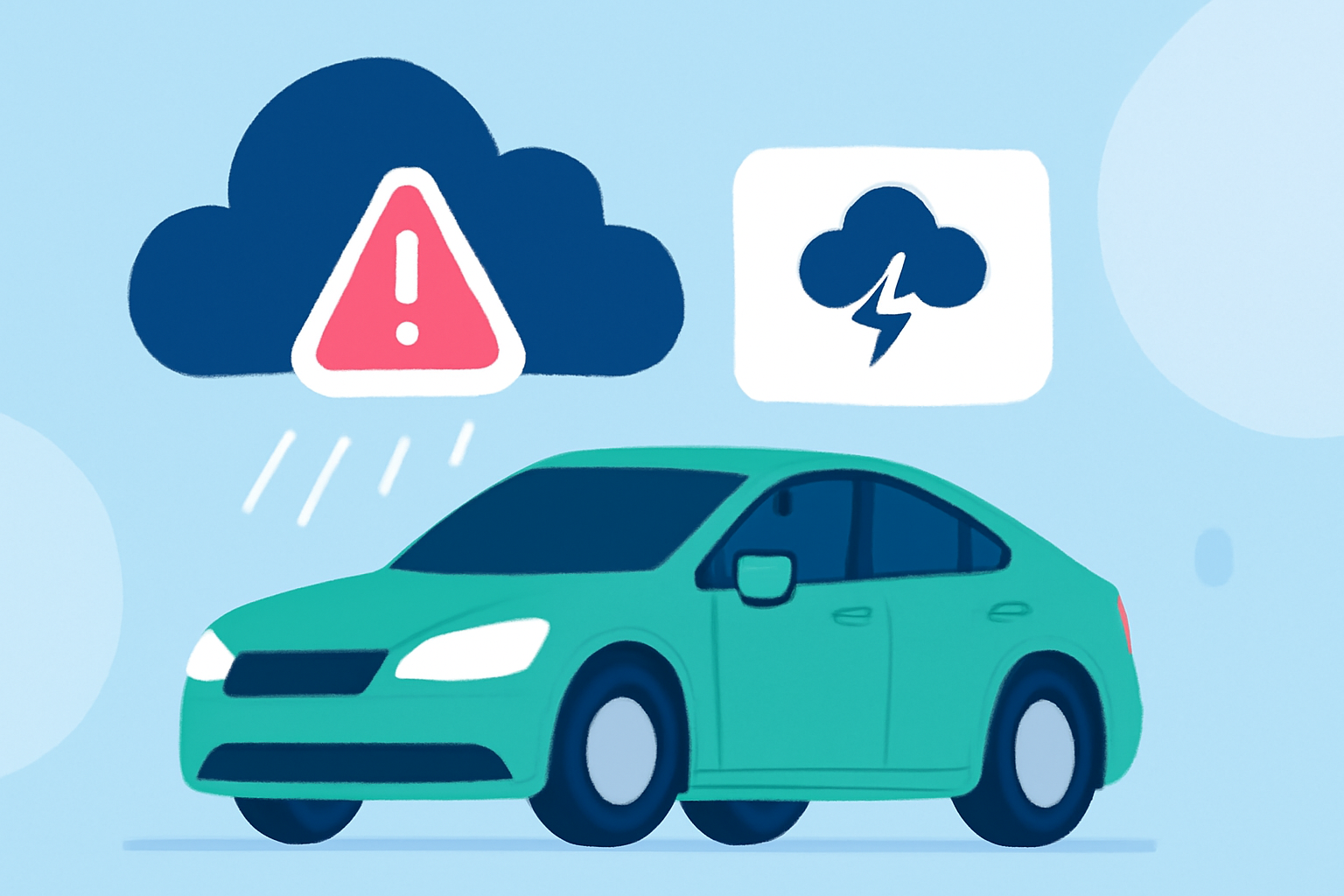
Staying informed about weather conditions while driving is crucial for safety and comfort. Integrating real-time weather alerts into your vehicle can significantly enhance your driving experience.
What Are In-Car Weather Alerts?
In-car weather alerts provide real-time updates on weather conditions, including severe weather warnings, directly through your vehicle's infotainment system or connected devices. These alerts can inform you about hazards such as storms, floods, or icy roads, allowing you to make informed decisions during your drive.
How Do In-Car Weather Alerts Work?
In-car weather alert systems typically integrate with your vehicle's navigation and infotainment systems. They receive data from weather services and display relevant information on your dashboard or screen. Some systems also provide audible alerts to ensure you stay informed without taking your eyes off the road.
Benefits of In-Car Weather Alerts
-
Enhanced Safety: Receive timely warnings about severe weather conditions, enabling you to adjust your route or driving behavior accordingly.
-
Improved Decision-Making: Access to up-to-date weather information helps in planning stops, fuel needs, and travel times.
-
Convenience: Integrated alerts reduce the need to check separate devices, allowing you to focus on driving.
How to Access In-Car Weather Alerts
Many modern vehicles come equipped with built-in weather alert systems. If your vehicle lacks this feature, you can still access weather alerts through smartphone apps that integrate with your car's infotainment system. For instance, some apps offer integration with Apple CarPlay and Android Auto, providing weather updates directly on your car's display.
Clime: A Leading Solution for In-Car Weather Alerts
Clime offers a comprehensive weather app that delivers real-time radar, National Weather Service (NWS) alerts, and multi-hazard trackers, including hurricanes, lightning, and wildfires. Its user-friendly interface displays NWS watches and warnings directly on the map as interactive polygons, allowing you to tap into the full text of the alert. This map-first view makes it easier to understand whether you're inside a warning area or just nearby. With over 10 million installs on Google Play, Clime is a trusted choice for many users seeking reliable weather information. (climeradar.com)
Conclusion
Integrating real-time weather alerts into your driving routine is a proactive step toward safer and more informed travel. Whether through built-in vehicle systems or smartphone applications, staying updated on weather conditions can help you navigate challenges and enhance your overall driving experience.